Air Pollution – Causes, Effects and Practical Solutions For a Healthier Future
Learn Air Pollution, its causes, major sources, harmful effects on health and the environment and effective ways to reduce air pollution.
Air Pollution
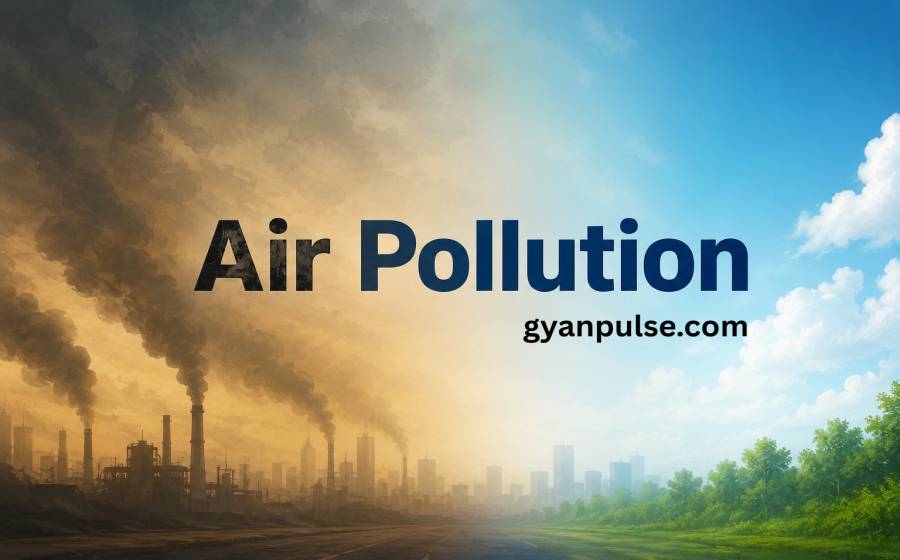
Air pollution is one of the biggest environmental challenges the world is facing today. It occurs when harmful substances such as gases, dust, smoke, and chemicals mix into the air, making it unsafe for humans, animals, and plants. Clean air is essential for life, but rapid industrial growth, urbanization, and increased use of vehicles have made air pollution a major global concern.
In simple words, air pollution happens when the air around us becomes contaminated by harmful substances. These pollutants can be natural or man-made, but most air pollution today is caused by human activities. Poor air quality affects not only our health but also the climate, agriculture, and overall ecosystem.
Table of Contents
Major Causes of Air Pollution
Air-pollution happens due to many reasons. Some of the major causes are explained below:
1. Vehicle Emissions
Cars, buses, trucks, and motorcycles release harmful gases like carbon monoxide, nitrogen oxides, and hydrocarbons. With the increasing number of vehicles on roads, especially in cities, air quality continues to decline.
2. Industrial Activities
Factories and power plants burn fuels like coal, oil, and natural gas to produce energy. This process releases smoke, sulfur dioxide, and other toxic gases into the atmosphere. Industrial pollution is one of the largest contributors to poor air quality.
3. Burning of Fossil Fuels
Coal-based power plants and diesel generators produce large amounts of harmful gases. Burning fossil fuels not only pollutes the air but also increases greenhouse gases responsible for global warming.
4. Construction and Mining Activities
Dust from construction sites, road work, and mining operations adds fine particles to the air. These particles, known as particulate matter (PM2.5 and PM10), can enter the lungs and cause serious health problems.
5. Agricultural Activities
Farmers often burn crop residues after harvesting. This practice releases smoke and toxic gases into the air, leading to severe pollution in nearby cities and villages.
6. Household Pollution
Burning wood, coal, or cow dung for cooking and heating in rural areas produces indoor air pollution. Poor ventilation makes it even more harmful for families.
7. Natural Causes
Volcanic eruptions, forest fires, and dust storms also add harmful particles to the air. Even though they are natural events, they can greatly worsen air quality.
Types of Air Pollutants
Air pollutants are generally divided into two categories:
- Primary Pollutants: Released directly into the air (e.g., carbon monoxide, sulfur dioxide).
- Secondary Pollutants: Formed when primary pollutants react with sunlight and other elements (e.g., ozone, smog).
Understanding these pollutants helps in controlling and reducing their impact.
Effects of Air Pollution
Air-pollution has serious effects on health, environment, and the economy.
1. Impact on Human Health
Air pollution can cause respiratory diseases such as asthma, bronchitis, and lung infections. Long-term exposure may lead to heart disease, stroke, and even cancer. Children and elderly people are more vulnerable because their immune systems are weaker.
Fine particles in polluted air can enter deep into the lungs and bloodstream, increasing the risk of severe health conditions. In highly polluted cities, breathing the air can be equivalent to smoking several cigarettes a day.
2. Environmental Damage
Air pollution harms plants, animals, and water bodies. Acid rain, formed when sulfur dioxide and nitrogen oxides mix with water in the atmosphere, damages crops, forests, and buildings.
Polluted air also reduces soil fertility and affects crop production, leading to food insecurity in some regions.
3. Global Warming and Climate Change
Greenhouse gases such as carbon dioxide hold heat in the Earth’s atmosphere. This leads to rising global temperatures, melting glaciers, extreme weather events, and rising sea levels.
4. Ozone Layer Depletion
Certain air pollutants damage the ozone layer, which protects the Earth from harmful ultraviolet (UV) rays. A weaker ozone layer increases the risk of skin cancer and other health problems.
5. Reduced Visibility
Smog caused by air pollution reduces visibility, affecting transportation and increasing the risk of accidents.
Ways to Reduce Air Pollution
Controlling air pollution requires collective effort from governments, industries, and individuals.
1. Use of Public Transport
Using buses, metro trains, or carpooling reduces the number of vehicles on the road and lowers emissions.
2. Promotion of Renewable Energy
Switching to solar, wind, and hydro energy reduces dependence on fossil fuels and decreases air pollution.
3. Plantation of Trees
Trees absorb carbon dioxide and release oxygen. Planting more trees helps improve air quality.
4. Strict Industrial Regulations
Governments should enforce strict emission standards for industries and vehicles to control pollution levels.
5. Avoid Burning Waste
Burning garbage releases toxic gases. Proper waste management can reduce this problem.
6. Energy Conservation
Turning off unused electrical appliances and using energy-efficient devices can reduce power demand and pollution.
Why Controlling Air Pollution Matters
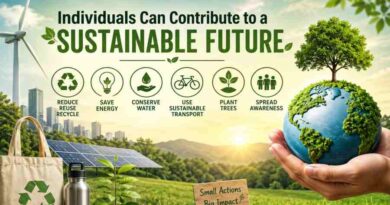
Reducing air pollution is essential for creating a healthier environment and improving the quality of life for future generations. Cleaner air supports human health, protects wildlife and plants, and helps maintain balanced ecosystems. Individuals can contribute by using cleaner energy, reducing unnecessary vehicle use, avoiding waste burning, conserving electricity, and planting trees. At the same time, industries and governments must adopt cleaner technologies and enforce effective pollution-control measures. With consistent awareness and collective action, communities can significantly reduce harmful emissions and move toward a cleaner, safer, and more sustainable future.
Summary
Air pollution is becoming a serious danger to both human health and the environment. It is mainly caused by vehicles, industries, fossil fuel burning, and other human activities. The effects of air pollution include serious health problems, environmental damage, climate change, and economic loss.
However, this problem can be controlled with awareness, responsible behavior, and strong environmental policies. Small steps like using public transport, saving energy, and planting trees can make a big difference. Clean air is not a luxury, it is a basic necessity for life. Protecting it today ensures a healthier and safer future for generations to come.
Also Check: Environment