
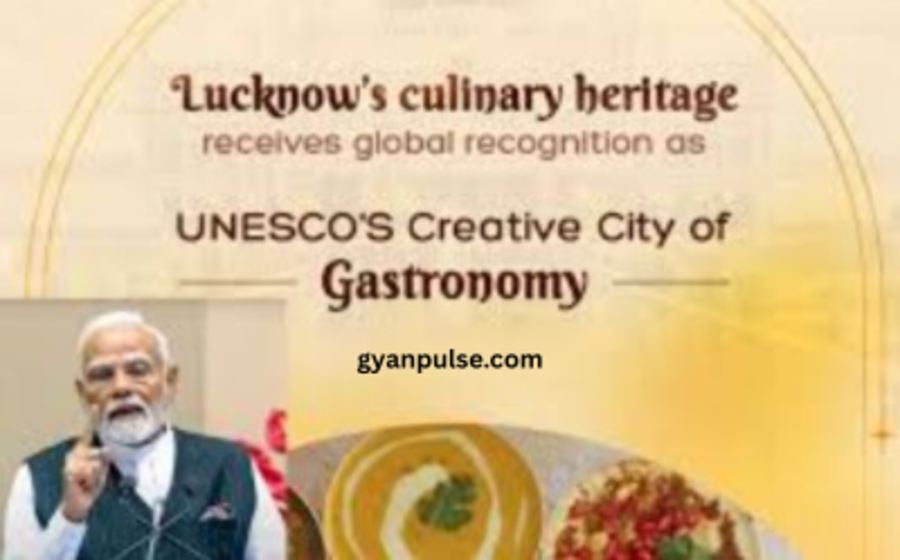
Lucknow Becomes UNESCO Creative City of Gastronomy
Lucknow Becomes UNESCO Creative City of Gastronomy, celebrating its world-famous Awadhi cuisine, rich heritage and growing global culinary influence.
Lucknow Becomes UNESCO Creative City of Gastronomy
Lucknow has gained international fame after being named a UNESCO Creative City of Gastronomy, celebrating its famous Awadhi cuisine and rich food traditions. The honour was officially declared at the 43rd UNESCO General Conference in Samarkand, Uzbekistan With this, Lucknow becomes the second Indian city after Hyderabad to receive this prestigious recognition.
Table of Contents
Awadhi Cuisine Gains Global Recognition
UNESCO’s recognition highlights Lucknow’s unique food culture, known for its elegance, creativity, and rich history. Lucknow, fondly called the “City of Nawabs,” saw its cuisine evolve and flourish under the rule of the Nawabs of Awadh. Its famous dishes-like kebabs, kormas, and the slow-cooked “dum pukht” style-reflect centuries of culinary tradition and refinement.
Expanding the Creative Cities Map of India
With this recognition, Lucknow becomes part of a global network of 408 UNESCO Creative Cities that celebrate innovation across seven fields – gastronomy, literature, music, film, design, media arts, and crafts. India now has ten cities in this prestigious network, including Jaipur, Varanasi, Chennai, and Mumbai, each known for their cultural and creative strengths. The addition of Lucknow further enhances India’s presence, especially in the area of culinary arts.
Understanding UNESCO’s Evaluation Process
To be recognised as a UNESCO Creative City of Gastronomy, a city must show how its food traditions are closely linked to its cultural identity. This involves promoting sustainable food practices, encouraging culinary education, preserving traditional markets, and supporting innovation in gastronomy. UNESCO reviews each city’s status every four years to ensure these standards are maintained and to promote sustainable cultural growth.
Quick Facts for Competitive Exams
- Lucknow became India’s second UNESCO Creative City of Gastronomy after Hyderabad (2019).
- The announcement was made in Samarkand, Uzbekistan, during UNESCO’s 43rd General Conference.
- The UNESCO Creative Cities Network (UCCN) was established in 2004 and now includes 408 cities worldwide.
- Awadhi cuisine is renowned for its kebabs, biryanis, and the signature “dum pukht” slow-cooking technique.
Lucknow’s Path to Global Culinary Recognition
UNESCO’s recognition places Lucknow at the heart of global culinary innovation and heritage. The city’s food scene-from the traditional lanes of Chowk and Hazratganj to modern restaurants-beautifully blends age-old recipes with contemporary dining trends. This honour boosts Lucknow’s global image, encouraging tourism, cultural exchange, and sustainable food practices, while strengthening its reputation as India’s true gastronomic capital.
Promoting Culinary Tourism in Lucknow
The UNESCO title is expected to attract food lovers from across the world to explore Lucknow’s authentic Awadhi flavours. Culinary walks, food festivals, and heritage dining experiences will likely see a rise in popularity. This growing interest will not only boost the local economy but also provide global exposure to traditional chefs and street vendors.
Empowering Local Chefs and Artisans
The recognition brings new opportunities for local chefs, home cooks, and culinary artisans to showcase their talent on international platforms. Through collaborations, food events, and training initiatives, Lucknow can nurture a new generation of culinary experts who preserve traditional recipes while embracing innovation and sustainability in gastronomy.
Preserving Heritage Through Food Education
As part of its Creative City status, Lucknow can promote food heritage education in schools, colleges, and culinary institutes. By teaching the history, science, and artistry of Awadhi cuisine, young learners can develop pride in local culture. This focus on education ensures that traditional cooking methods continue to thrive in modern times.
Lucknow’s Culinary Heritage Shines on the Global Stage
Lucknow’s recognition as a UNESCO Creative City of Gastronomy is a significant milestone that highlights the city’s rich culinary heritage and cultural identity. Renowned for its exquisite Awadhi cuisine, Lucknow has preserved centuries-old cooking traditions while embracing modern culinary innovation. This prestigious honour not only celebrates iconic dishes such as kebabs, biryanis, and dum pukht preparations but also strengthens the city’s position as a global food destination. The recognition is expected to boost tourism, create opportunities for local chefs and food artisans, and encourage the preservation of traditional recipes for future generations.
Summary
Lucknow has been designated as a UNESCO Creative City of Gastronomy, becoming the second Indian city after Hyderabad to receive this distinction. The recognition honours the city’s world-famous Awadhi cuisine, rich food traditions, and commitment to preserving culinary heritage. It is expected to enhance tourism, promote sustainable gastronomy, and provide global recognition to Lucknow’s vibrant food culture.
Also Check: Current Affairs