
Ancient Iron Age Site Found in Tamil Nadu
Ancient Iron Age Site Found in Tamil Nadu reveals burial practices, unique pottery, and artefacts, shedding light on prehistoric culture and settlements.
Ancient Iron Age Site Found in Tamil Nadu
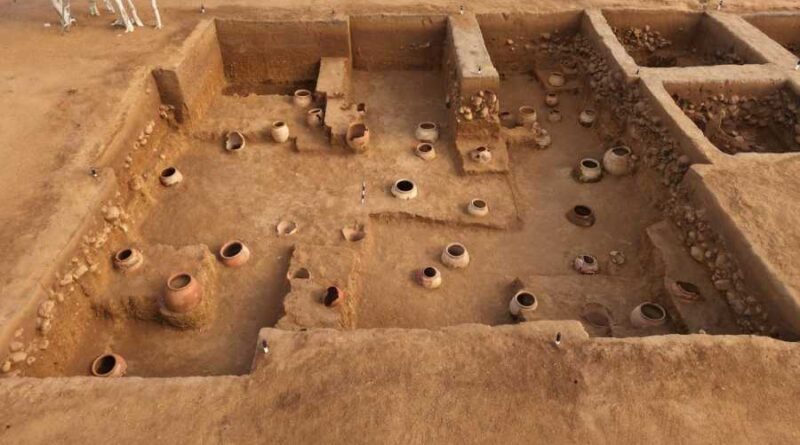
Recent excavations by the Tamil Nadu State Department of Archaeology (TNSDA) at Thirumalapuram in Tenkasi district have uncovered an Iron Age burial site near the Western Ghats. Early studies suggest that this site could date back to the early or mid-third millennium BCE.
This significant discovery provides new insights into Tamil Nadu’s prehistoric culture and connects it with other ancient sites such as Adichanallur and Sivagalai.
Table of Contents
Location and Area Covered by the Site
The Iron Age burial site covers an area of about 35 acres and is located nearly 10 kilometres northwest of Thirumalapuram village. It lies between two seasonal streams that flow from the Western Ghats, close to the Kulasegarapereri tank.
This well-chosen location suggests that the ancient people might have selected the area for its natural resources and strategic position, which likely influenced their settlement and burial customs during the Iron Age.
Excavation Process and Material Remains
During the first phase of excavation, archaeologists opened 37 trenches at the site. They discovered a stone slab chamber built with 35 large slabs arranged in a rectangular shape. Inside the chamber were urn burials filled with cobblestones, reaching a depth of about 1.5 metres.
The excavation team also found a rich collection of ceramics, both within the graves and as burial offerings. These included white-painted black-and-red ware, red ware, red-slipped ware, black-polished ware, and coarse red ware, showcasing the diverse pottery traditions of the Iron Age.
Unique Pottery Designs and What They Represent
One of the most distinctive features of the site is the white-painted designs found on black-and-red ware, black ware, and black-slipped pottery. Similar decorations have been observed at other ancient sites such as T. Kallupatti, Adichanallur, and Korkai.
The symbols on the urns are particularly noteworthy. For instance, a red-slipped pot displays dotted designs representing a human figure, a mountain, a deer, and a tortoise. These motifs likely offer important clues about the beliefs, culture, and environment of the people who lived during the Iron Age.
Iron Age Metal and Bone Artefacts Discovered
The excavation uncovered 78 artefacts crafted from bone, gold, bronze, and iron. These included tweezers, swords, spearheads, gold rings, axes, daggers, chisels, bone tools, and arrowheads. Notably, three tiny gold rings were found inside an urn at a shallow depth of 0.49 metres.
Each ring measured just 4.8 millimetres in diameter and weighed less than one milligram, highlighting the remarkable craftsmanship of the Iron Age people.
Also Read: Speaker of Lok Sabha Om Birla visited Barbados Parliament
Importance of the Site in Time
Although precise dating is still awaiting scientific confirmation, comparisons with nearby sites like Sivagalai and Adichanallur indicate that the site likely dates back to the early to mid-third millennium BCE. This makes Thirumalapuram one of the earliest known Iron Age settlements in Tamil Nadu.
The discoveries from this site provide valuable insights into the prehistoric settlement patterns and cultural developments in South India.
Insights into Burial Practices
The urn burials at Thirumalapuram reveal sophisticated funerary practices of the Iron Age. Cobblestones placed inside urns may have served ritualistic or protective purposes.
The variety of grave goods, including pottery and metal objects, indicates that the society valued craftsmanship and had structured burial traditions, reflecting their social hierarchy, spiritual beliefs, and daily life during that era.
Connection with Regional Iron Age Cultures
Thirumalapuram’s artefacts and pottery styles show clear links with other Iron Age sites in South India. Similar motifs and burial techniques at Adichanallur, Sivagalai, and Korkai suggest cultural exchanges or shared traditions among these communities.
Studying these connections helps archaeologists trace the spread of technology, trade, and cultural practices, offering a broader picture of the prehistoric landscape.
Also Check: Current Affairs