Canada – Geography, Culture, Sports & Key Facts
Discover Canada with this complete GK guide covering area, population, history, geography, culture, sports, economy, and neighbouring countries.
Canada Introduction
Canada, the world’s second-largest country, is known for its breathtaking landscapes, multicultural society, advanced economy, and exceptionally high quality of life. From the icy Arctic to bustling modern cities like Toronto and Vancouver, Canada offers a blend of natural beauty, rich history, diverse traditions, and global influence. This GK guide covers every important aspect of Canada, including its area, population, history, culture, sports, economy, and neighbouring nations.
Table of Contents
Geography of Canada: A Land of Vast Natural Beauty
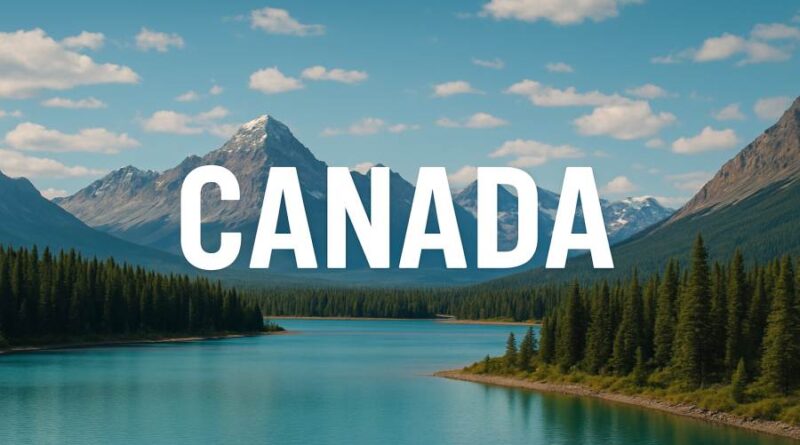
Canada spans approximately 9.98 million square kilometers, making it the second-largest country in the world by land area. Its landscape is incredibly diverse, towering Rocky Mountains, endless plains, thousands of lakes, dense forests, and frozen Arctic territories.
Key Geographic Highlights
- Capital: Ottawa
- Largest City: Toronto
- Official Languages: English and French
- Major Physical Features: Rocky Mountains, Great Lakes, Canadian Shield, Hudson Bay
- Longest Coastline: Canada has the longest coastline in the world, stretching over 202,000 km.
Canada’s climate varies widely, from extremely cold winters in the north to temperate conditions in the southern regions near the US border.
Area and Population of Canada
Area
- Total Area: ~9.98 million sq km
- Land Area: One of the largest forest-covered nations globally
- Freshwater Lakes: Canada contains nearly 50% of the world’s natural lakes, including the Great Lakes shared with the USA.
Population
Canada’s population is around 40 million people, making it one of the least densely populated countries despite its huge landmass. Most Canadians live within 200 km of the US border, where the climate is milder.
Major Provinces by Population
- Ontario – Most populous, home to Toronto
- Quebec – French-speaking majority
- British Columbia – Mountainous and coastal, home to Vancouver
- Alberta – Rich in oil and natural resources
Historical Background: From Indigenous Roots to a Modern Nation
Canada’s history is shaped by Indigenous cultures, European settlers, and centuries of political development.
Indigenous Civilization
Long before Europeans arrived, Canada was home to diverse Indigenous groups, First Nations, Inuit, and Métis, each with rich traditions, languages, and governance systems.
European Colonization
- 16th–17th centuries: French and British explorers arrived.
- New France: Established by France in the 1600s.
- British Control: Britain eventually gained control after the Seven Years’ War.
Formation of Modern Canada
- 1867: Canada became a self-governing dominion under the British Empire through the Confederation of 1867.
- Over time, provinces joined, and Canada evolved into a fully sovereign country with the Constitution Act of 1982.
Today, Canada is known for its strong democracy, peaceful society, and robust political system.
Cultural Diversity: A Mosaic of Traditions
Canada is globally known for being a multicultural mosaic—a country that embraces immigrants and celebrates cultural diversity.
Cultural Features
- Bilingual Nation: English and French are official languages; Quebec is the cultural heart of French-speaking Canada.
- Multicultural Society: Large communities from Asia, Europe, Africa, and the Middle East.
- Cuisine: Poutine, maple syrup, Bannock, Nanaimo bars, smoked salmon, butter tarts.
- Festivals: Canada Day, Winter Carnival in Quebec, Calgary Stampede, Toronto International Film Festival (TIFF).
Canadian culture blends Indigenous heritage, French and British influences, and modern global elements.
Canadian Economy: One of the World’s Wealthiest Nations
Canada has a highly developed, high-income economy driven by natural resources, innovation, and services.
Key Economic Sectors
- Natural Resources: Oil, natural gas, minerals, timber
- Agriculture: Wheat, canola, livestock
- Manufacturing: Automobiles, machinery, aerospace
- Services: Finance, healthcare, tourism, technology
Canada is also part of major global trade groups like the G7 and G20.
Sports in Canada: A Passion for Ice and Outdoors
Sports are a key part of Canadian life, especially winter activities.
Most Popular Sports
- Ice Hockey – Considered the national winter sport
- Lacrosse – Official national summer sport
- Basketball – Gaining massive popularity
- Soccer – Rapidly growing
- Curling, Skiing, Snowboarding – Widely played in winter
Canada also performs strongly in events like the Winter Olympics.
Also Read: United States – Geography, History, Culture, Economy & Key Facts
Neighbouring Countries of Canada
Canada shares borders with only one country:
United States
- Longest international land border in the world
- Shared waterways: Great Lakes, St. Lawrence River
- Deep economic, cultural, and social ties
Arctic Neighbours (Maritime)
- Greenland (Denmark) – Maritime boundary
- France (via Saint Pierre and Miquelon) – Maritime boundary near Newfoundland
Major Cities of Canada
1. Toronto
Business hub, multicultural city, home to CN Tower.
2. Vancouver
Coastal beauty, film industry, mild climate.
3. Montreal
French-speaking cultural center, historic architecture.
4. Calgary
Energy capital, gateway to the Rockies.
5. Ottawa
National capital with Parliament Hill and museums.
Important Canadian Symbols
- National Flag: Red and white with a maple leaf
- National Animal: Beaver
- National Tree: Maple
- Motto: “A Mari Usque Ad Mare” (From Sea to Sea)
Summary
Canada is a nation of remarkable diversity, vast landscapes, rich history, and strong global presence. Its peaceful society, economic strength, multiculturalism, and natural beauty make it one of the most admired countries worldwide. Whether for academic preparation, competitive exams, or general knowledge, understanding Canada provides insights into how geography, culture, and history blend to shape a modern, progressive nation.
Also Check: General Knowledge