Energy Resources and Environmental Impact – Understanding the Power Behind Our Planet
Learn about different energy resources and environmental impact. Discover renewable and non-renewable energy sources and their affect on nature.
Energy Resources and Environmental Impact
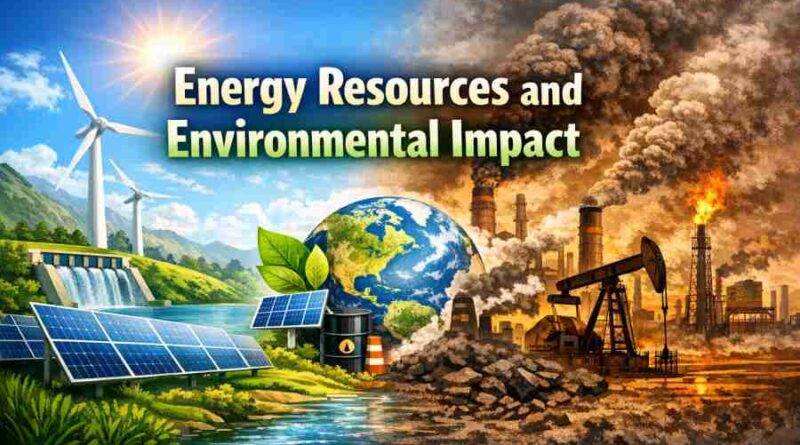
Energy plays a vital role in modern life. From powering homes and industries to running transportation and technology, energy is essential for human development. However, the way we produce and use energy has a significant impact on the environment. Different energy resources affect nature in different ways. Some sources cause pollution and environmental damage, while others are cleaner and more sustainable.
Understanding energy resources and their environmental impact is important for building a sustainable future and protecting our planet.
Table of Contents
What are Energy Resources?
Energy resources are natural sources that provide energy for human activities. These resources are used to generate electricity, fuel vehicles, heat buildings, and operate machines.
Energy resources are generally classified into two main categories:
- Non-renewable energy resources
- Renewable energy resources
The difference between them lies in how quickly they can be replaced in nature.
Non-Renewable Energy Resources
Non-renewable energy resources are limited and take millions of years to form. Once they are used, they cannot be easily replaced. Most traditional energy sources fall into this category.
Fossil Fuels
Fossil fuels include coal, petroleum (oil), and natural gas. These fuels are formed from the remains of ancient plants and animals buried deep underground for millions of years.
They are widely used because they produce large amounts of energy and are relatively easy to extract and transport.
However, fossil fuels have several environmental disadvantages.
Environmental Impact of Fossil Fuels
- Air Pollution
Burning fossil fuels releases harmful gases such as carbon dioxide, sulfur dioxide, and nitrogen oxides into the atmosphere. - Climate Change
Carbon dioxide is a major greenhouse gas that contributes to global warming and climate change. - Water Pollution
Oil spills and mining activities can contaminate rivers, lakes, and oceans. - Land Degradation
Coal mining and drilling can destroy natural landscapes and ecosystems.
Because of these impacts, many countries are now trying to reduce their dependence on fossil fuels.
Nuclear Energy
Nuclear energy is produced through nuclear reactions, usually by splitting atoms in nuclear power plants.
It produces a large amount of energy with relatively low greenhouse gas emissions.
Environmental Concerns of Nuclear Energy
- Radioactive waste that remains dangerous for thousands of years
- Risk of nuclear accidents
- High cost of building and maintaining nuclear plants
Although nuclear energy produces less air pollution, the issue of radioactive waste makes it controversial.
Renewable Energy Resources
Renewable energy resources are sources that can be naturally replenished in a short period of time. These resources are considered more sustainable and environmentally friendly.
Solar Energy
Solar energy comes from the sun and is captured using solar panels.
Advantages:
- Clean and renewable
- No air pollution
- Reduces electricity costs in the long run
Environmental Impact:
Solar energy has minimal environmental impact, although large solar farms may require significant land areas.
Wind Energy
Wind energy is generated by wind turbines that convert wind movement into electricity.
Advantages:
- Renewable and clean
- No greenhouse gas emissions during operation
Environmental Impact:
Wind turbines can sometimes affect birds and wildlife, and they may cause noise or visual concerns in some areas.
Hydropower
Hydropower uses the energy of flowing water, usually from dams, to generate electricity.
Advantages:
- Reliable source of renewable energy
- Produces very little air pollution
Environmental Impact:
Large dams can flood forests and farmland, disturb ecosystems, and affect fish migration.
Biomass Energy
Biomass energy is produced from organic materials such as wood, agricultural waste, and animal manure.
Advantages:
- Uses waste materials
- Renewable if managed properly
Environmental Impact:
Burning biomass can release carbon dioxide and other pollutants if not controlled properly.
Importance of Sustainable Energy
The environmental impact of energy resources has become a major global concern. Rapid industrialization and increasing energy demand have led to higher pollution levels and climate change.
Using sustainable energy sources is important for several reasons:
- Reduces air and water pollution
- Helps slow climate change
- Protects natural ecosystems
- Conserves limited natural resources
Renewable energy is becoming more popular as technology improves and costs decrease.
Steps to Reduce Environmental Impact of Energy
Individuals, governments, and industries can take steps to reduce the negative effects of energy use.
1. Promoting Renewable Energy
Governments can encourage the use of solar, wind, and other clean energy sources.
2. Improving Energy Efficiency
Using energy-efficient appliances, vehicles, and buildings reduces overall energy consumption.
3. Conserving Energy
Simple actions such as turning off lights, using public transport, and reducing waste can save energy.
4. Supporting Green Technologies
Investing in clean technologies helps create sustainable energy systems.
Summary
Energy resources are essential for modern society, but they also have significant environmental impacts. Non-renewable sources like fossil fuels contribute to pollution and climate change, while renewable sources such as solar and wind offer cleaner alternatives.
Transitioning to sustainable energy resources is crucial for protecting the environment and ensuring a healthier future for the planet. By using energy wisely and supporting renewable technologies, humanity can balance development with environmental conservation.
Also Check: Environment