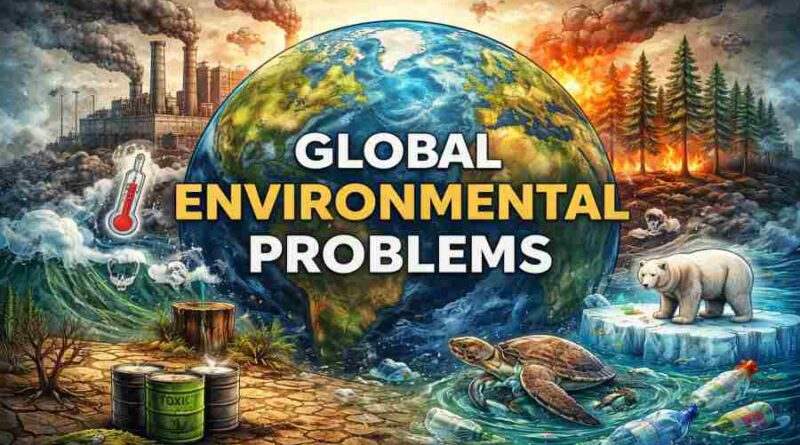
Global Environmental Problems – Causes, Impacts and Sustainable Solutions for a Better Future
Global Environmental Problems Explained: Learn about major environmental issues, their causes, impacts and effective solutions for a sustainable future.
Global Environmental Problems
The Earth is facing unprecedented environmental challenges that threaten ecosystems, biodiversity, and human survival. As industrialization, urbanization, and population growth continue to expand, the pressure on natural resources has increased significantly. Global environmental problems are interconnected and complex, requiring immediate attention and collective action. Understanding these issues is the first step toward building a sustainable and resilient future.
Table of Contents
1. Climate Change
One of the most pressing environmental problems is climate change. It refers to long-term shifts in temperature and weather patterns, primarily caused by human activities such as burning fossil fuels, deforestation, and industrial emissions. The increase in greenhouse gases like carbon dioxide and methane traps heat in the atmosphere, leading to global warming.
The impacts of climate change are widespread. Rising temperatures result in melting glaciers, rising sea levels, and extreme weather events such as hurricanes, droughts, and floods. These changes not only disrupt ecosystems but also affect agriculture, water supply, and human health.
2. Air Pollution
Air pollution is another major global concern, especially in rapidly developing countries. It is caused by emissions from vehicles, factories, burning of fossil fuels, and agricultural activities. Pollutants like particulate matter, sulfur dioxide, and nitrogen oxides degrade air quality.
Poor air quality leads to serious health problems, including respiratory diseases, heart conditions, and premature deaths. It also contributes to environmental issues like acid rain and global warming. Urban areas are particularly affected due to high population density and industrial activities.
3. Water Pollution and Scarcity
Water is essential for life, yet it is increasingly under threat. Water pollution occurs when harmful substances such as chemicals, plastics, and waste enter water bodies like rivers, lakes, and oceans. Industrial discharge, sewage, and agricultural runoff are major contributors.
In addition to pollution, water scarcity is becoming a serious issue in many parts of the world. Overuse of freshwater resources, climate change, and population growth are leading to shortages. Lack of clean drinking water affects millions of people and poses risks to health and sanitation.
4. Deforestation
Forests play a vital role in maintaining ecological balance, but they are being destroyed at an alarming rate. Deforestation occurs due to logging, agriculture expansion, urban development, and mining activities.
The loss of forests leads to habitat destruction, loss of biodiversity, and disruption of the water cycle. Trees also absorb carbon dioxide, so their removal contributes to climate change. Protecting forests is crucial for preserving wildlife and regulating the Earth’s climate.
5. Loss of Biodiversity
Biodiversity refers to the variety of life on Earth, including plants, animals, and microorganisms. However, human activities are causing a rapid decline in biodiversity. Habitat destruction, pollution, climate change, and overexploitation of resources are key factors.
The loss of biodiversity weakens ecosystems and reduces their ability to provide essential services such as pollination, food production, and disease regulation. It also threatens the survival of many species, pushing them toward extinction.
6. Plastic Pollution
Plastic pollution has become a global crisis, especially in oceans. Millions of tons of plastic waste are dumped into the environment every year. Since plastic is non-biodegradable, it persists for hundreds of years.
Marine animals often mistake plastic for food, leading to injury or death. Microplastics have also entered the food chain, posing risks to human health. Reducing plastic use and improving waste management are essential steps to tackle this problem.
7. Soil Degradation
Soil is a vital resource for agriculture, but it is being degraded due to overuse, deforestation, and chemical pollution. Practices like excessive use of fertilizers and pesticides reduce soil fertility and disrupt natural processes.
Soil degradation leads to lower crop yields, food insecurity, and desertification. Sustainable farming practices, such as organic agriculture and crop rotation, can help restore soil health.
Solutions to Global Environmental Problems
Addressing environmental challenges requires coordinated efforts at individual, national, and global levels. Some key solutions include:
- Promoting Renewable Energy: Transitioning to solar, wind, and other renewable sources can reduce greenhouse gas emissions.
- Conservation of Natural Resources: Protecting forests, water bodies, and wildlife is essential for ecological balance.
- Sustainable Practices: Encouraging recycling, reducing waste, and adopting eco-friendly lifestyles can make a significant difference.
- Environmental Awareness: Educating people about environmental issues helps in building responsible behavior.
- Government Policies and Regulations: Strong laws and international agreements are necessary to control pollution and protect the environment.
Summary
Global environmental problems are serious and demand urgent attention. From climate change to biodiversity loss, these issues are interconnected and affect all forms of life on Earth. While the challenges are significant, solutions are within reach if individuals, communities, and governments work together. By adopting sustainable practices and making conscious choices, we can protect the planet for future generations. A healthier environment is not just a necessity – it is a responsibility shared by all.
Also Check: Environment