
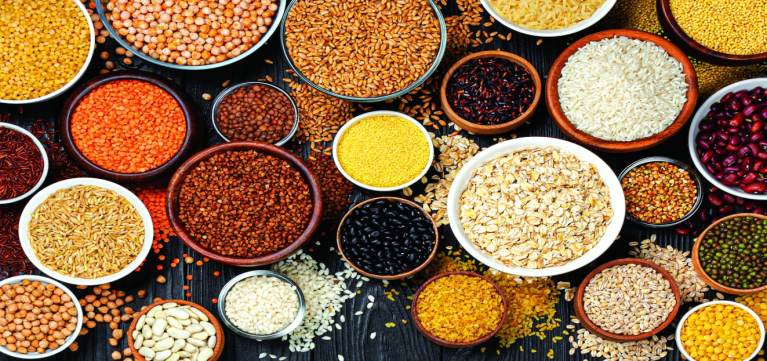
National Pulses Mission helps farmers to earn more and increase pulse production
National Pulses Mission helps farmers to earn more by boosting pulse production, ensuring fair prices, and supporting sustainable agriculture across India.
National Pulses Mission helps farmers to earn more
In 2025, the Union Cabinet under Prime Minister Narendra Modi approved the National Pulses Mission and raised the Minimum Support Prices (MSP) for rabi crops.
These measures are designed to strengthen food security, support farmers, and boost farm productivity. The mission’s main goal is to achieve self-sufficiency in pulses and increase farmer incomes by 2030–31.
Table of Contents
Overview of India’s National Pulses Mission
The National Pulses Mission aims to boost pulse production from 24.2 million tonnes in 2024–25 to 35 million tonnes by 2030–31. It will be implemented in 416 districts, especially in rice fallow areas.
The plan includes promoting quality seeds, intercropping, better irrigation, market linkages, and technical support for farmers.
The government has also assured 100% procurement of tur, urad, and lentils at MSP. For 2025–26, the mission has been allocated a budget of ₹11,440 crore.
Government Raises MSP for Rabi Crops
To support farmers, the government has increased the Minimum Support Prices (MSPs) for rabi crops, ensuring returns of up to 109% over production costs.
Major hikes include safflower by ₹600, lentils by ₹300, rapeseed and mustard by ₹250, chana by ₹225, barley by ₹170, and wheat by ₹160 per quintal. This move follows the 2018–19 budget promise of fixing MSPs at a minimum of 1.5 times the weighted average cost of production.
Boosting Farmers’ Earnings and Welfare
Since 2014–15, the Modi government has more than doubled the Minimum Support Prices (MSPs) for key crops. Wheat MSP increased from ₹1400 to ₹2585 per quintal, lentils from ₹2950 to ₹7000, and chana from ₹3100 to ₹5875.
These steady hikes are aimed at raising farmer incomes, ensuring food security, and upholding the dignity of farmers. The government highlights transparency, scientific practices, and farmer welfare as the core principles behind these policies.
Nutritional and Economic Importance of Pulses
Pulses play a crucial role in nutrition and maintaining healthy soil. Boosting their production helps reduce imports and strengthens food security.
By focusing on rice fallow areas, the mission makes use of land that would otherwise remain unproductive. Expanding pulses cultivation also promotes crop diversification and supports sustainable farming practices.
Government’s Focus on Farmer Welfare
These decisions show the government’s commitment to putting farmers first. By guaranteeing fair prices and supporting increased production, the aim is to improve rural livelihoods. Such policies are part of a larger plan to modernise agriculture and promote long-term sustainability.
Also Check: Current Affairs