
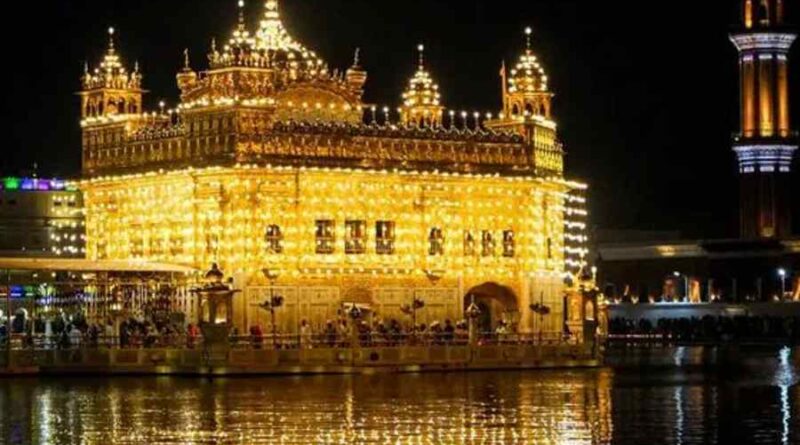
Punjab Government Declares Three Holy Cities – Amritsar, Anandpur Sahib and Talwandi Sabo
Punjab Government Declares Three Holy Cities, imposing legal restrictions to preserve religious sanctity, cultural heritage, and spiritual values.
Punjab Government Declares Three Holy Cities
The Punjab government has officially declared the walled city of Amritsar, Sri Anandpur Sahib in Rupnagar district, and Talwandi Sabo (Sri Damdama Sahib) in Bathinda district as Holy Cities. This step is intended to protect their religious importance and cultural identity by enforcing legal restrictions. The notification was issued by the Department of Home Affairs after receiving approval from the Governor of Punjab.
Table of Contents
Officially Declared and Supported by Law
The declaration was issued through an official notification signed by Additional Chief Secretary (Home Affairs) Alok Shekhar. It requires coordinated action from several state departments to ensure strict enforcement within the notified municipal areas. The notification will be published in the Punjab Government Gazette, giving it legal and statutory authority.
Regulations Governing Liquor, Tobacco, and Intoxicating Products
Under the new framework, the Department of Excise has been instructed to limit the sale and consumption of liquor and related products across all three holy cities. At the same time, the Department of Health and Family Welfare has been directed to impose prohibitory orders on the sale and use of cigarettes, tobacco, and other intoxicants. These steps aim to ensure that public behavior reflects the religious values and sanctity of the sacred Sikh sites.
Meat Prohibition and On-Ground Enforcement Measures
The Department of Animal Husbandry has been asked to enforce a ban on the sale and consumption of meat in the notified areas. Meanwhile, the Department of Local Government, along with the Deputy Commissioners of Amritsar, Rupnagar, and Bathinda, has been assigned responsibility for on-ground enforcement. Local authorities will carry out inspections and ensure compliance to prevent any violations.
Some Important Facts
- Amritsar, Anandpur Sahib, and Talwandi Sabo are among the most important religious centres of Sikhism.
- The notification declaring them holy cities was issued by the Punjab Department of Home Affairs with the approval of the Governor of Punjab.
- As part of this decision, restrictions have been imposed on the sale and consumption of liquor, tobacco, intoxicants, and meat.
Part of the Heritage Preservation Framework
The decision aligns with earlier statements made by Chief Minister Bhagwant Mann, who had announced plans to develop Sri Anandpur Sahib as a heritage street city. This announcement came after a special session of the Punjab Legislative Assembly held in Anandpur Sahib during the 350th martyrdom anniversary commemorations of Guru Tegh Bahadur. The government has stressed that preserving the spiritual and historical sanctity of these cities is a shared responsibility.
Purpose Behind Declaring Holy Cities
The primary objective of declaring these locations as holy cities is to safeguard their spiritual atmosphere and long-standing religious traditions. By introducing legally enforceable restrictions, the government aims to prevent activities that may disturb the sanctity of these sacred Sikh centres. The move also seeks to promote discipline, reverence, and respect among residents, pilgrims, and visitors alike.
Impact on Pilgrimage and Tourism
The declaration is expected to positively influence religious tourism by enhancing the peaceful and sacred environment of these cities. Pilgrims visiting Amritsar, Anandpur Sahib, and Talwandi Sabo may experience a more spiritually aligned atmosphere. Improved regulation and cleanliness could also strengthen heritage-based tourism while preserving the cultural identity of these historically significant Sikh destinations.
Role of Citizens and Local Communities
The success of the holy city framework largely depends on public cooperation and community participation. Residents, shopkeepers, and visitors are expected to follow the prescribed guidelines and respect the religious values of these areas. Active involvement of local communities will help authorities maintain order, ensure compliance, and uphold the spiritual and historical essence of these revered cities.
Also Check: Current Affairs