Reduce Reuse Recycle – The 3Rs Guide to a Cleaner and Greener Future
Reduce, Reuse, Recycle Explained in simple words. Learn the importance of the 3Rs, their benefits and how they help protect the environment.
Reduce Reuse Recycle
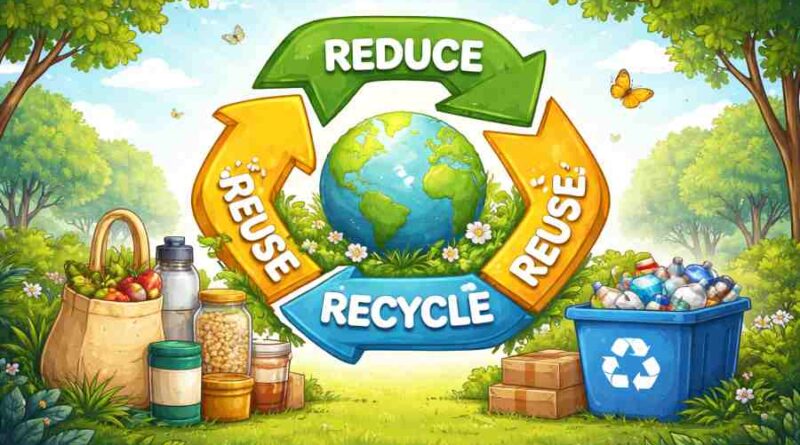
In today’s world, environmental problems such as pollution, climate change, and overflowing landfills are increasing rapidly. One simple yet powerful solution to reduce these problems is following the principle of Reduce, Reuse, Recycle. Commonly known as the 3Rs, this concept encourages people to minimize waste and use resources wisely.
The 3Rs are easy to understand and apply in daily life. Whether at home, school, or the workplace, everyone can contribute to protecting the environment by practicing these three simple steps.
Table of Contents
What Does Reduce Mean?
Reduce means cutting down the amount of waste we produce. It is the most important step among the 3Rs because the best way to manage waste is to prevent it in the first place.
When we reduce, we try to use fewer resources such as water, electricity, paper, plastic, and fuel. For example:
- Turning off lights and fans when not in use
- Avoiding single-use plastic items
- Buying only what we need
- Choosing products with less packaging
- Carrying cloth bags instead of plastic bags
Reducing consumption saves natural resources and energy. It also decreases pollution and greenhouse gas emissions. When less waste is created, there is less pressure on landfills and the environment.
What Does Reuse Mean?
Reuse means using items again instead of throwing them away after one use. Many products can serve multiple purposes if we use them creatively.
Examples of reuse include:
- Using glass jars to store spices or small items
- Donating old clothes instead of discarding them
- Reusing shopping bags
- Refilling water bottles
- Repairing furniture instead of buying new items
Reusing products reduces the demand for new goods. This helps conserve raw materials, saves energy, and lowers pollution caused by manufacturing processes. Reuse also promotes creativity and encourages people to think about sustainable living.
What Does Recycle Mean?
Recycle means converting waste materials into new products. This process reduces the need to extract fresh raw materials from nature.
Common recyclable materials include:
- Paper
- Plastic
- Glass
- Metal
- Cardboard
When these materials are recycled, they are collected, processed, and transformed into new items. For example, recycled paper can become notebooks, and recycled plastic can be used to make containers or furniture.
Recycling reduces landfill waste, saves energy, and lowers air and water pollution. It also helps in conserving natural resources like trees, minerals, and petroleum.
Why are the 3Rs Important?
The 3Rs are important because they help protect the environment and promote sustainable development. Here are some key reasons why they matter:
1. Reduces Pollution
By minimizing waste and recycling materials, we reduce air, water, and soil pollution.
2. Saves Natural Resources
Natural resources like forests, water, and minerals are limited. The 3Rs help in conserving these valuable resources.
3. Saves Energy
Producing goods from recycled materials usually requires less energy than producing them from raw materials.
4. Reduces Landfill Waste
Landfills are filling up quickly. Following the 3Rs reduces the amount of waste sent to these dumping grounds.
5. Fights Climate Change
Reducing and recycling waste lowers greenhouse gas emissions, which contribute to global warming.
The Order of Priority: Why Reduce Comes First
Many people think recycling is the most important step, but actually, reduce comes first. If we buy fewer unnecessary products, we automatically create less waste. Reuse comes next because it extends the life of products. Recycling is the final step when items cannot be reduced or reused.
This order ensures maximum environmental benefit.
How Students Can Practice the 3Rs
Students play an important role in protecting the environment. They can practice the 3Rs in simple ways:
- Use both sides of paper
- Carry reusable lunch boxes and water bottles
- Avoid disposable cutlery
- Participate in recycling programs
- Spread awareness among friends and family
Small daily actions can make a big difference over time.
Role of Government and Society
Governments and organizations also play a key role in promoting the 3Rs. Many countries have implemented waste management rules and recycling programs to encourage responsible behavior.
For example, initiatives like the Swachh Bharat Abhiyan in India promote cleanliness and proper waste management practices. Such programs spread awareness and motivate citizens to keep their surroundings clean.
Industries are also adopting sustainable practices by using recycled materials and reducing packaging waste.
Challenges in Implementing the 3Rs
Although the concept is simple, there are challenges:
- Lack of awareness
- Improper waste segregation
- Limited recycling facilities
- Overconsumption habits
To overcome these challenges, education and public participation are essential.
Summary
Reduce, Reuse, Recycle is more than just a slogan, it is a way of life. By reducing waste, reusing products, and recycling materials, we can protect the environment and ensure a better future for the next generation.
Every individual has the power to make a positive impact. When millions of people adopt the 3Rs in their daily lives, the result is a cleaner planet, healthier ecosystems, and sustainable development.
The journey toward environmental protection begins with small steps. Start today by reducing unnecessary purchases, reusing items creatively, and recycling responsibly. Together, we can build a greener and more sustainable world.
Also Check: Environment