Relationship Between Humans and Environment – How Nature and Humanity shape each other
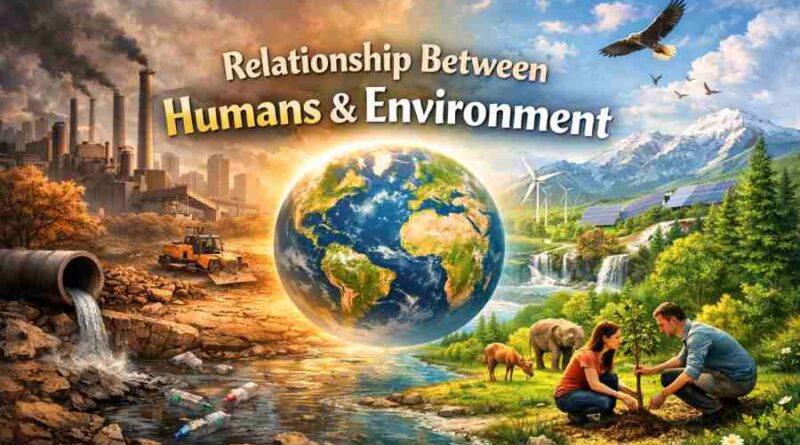
Relationship between humans and environment explains how nature supports human life and how human activities impact ecosystems and sustainability.
Relationship Between Humans and Environment
The relationship between humans and the environment is one of deep connection and constant interaction. From the air we breathe to the food we eat, human life depends entirely on natural resources. At the same time, human activities significantly influence the environment, sometimes positively and often negatively. Understanding this relationship is essential for creating a sustainable future where both humans and nature can thrive together.
Table of Contents
Understanding the Human Environment Relationship
The environment includes all living and non-living components surrounding us land, water, air, plants, animals, and climate. Humans are not separate from this system; they are an active part of it. Early human civilizations lived in close harmony with nature, depending on forests, rivers, and soil for survival. Over time, technological advancement increased human control over natural resources, changing the balance of this relationship.
Today, the interaction between humans and the environment is complex, involving economic development, urbanization, industrial growth, and environmental conservation.
How Humans Depend on the Environment
Human survival is impossible without the environment. Nature provides essential resources that support life and development:
- Food and Water: Agriculture depends on fertile soil, rainfall, and sunlight. Rivers, lakes, and groundwater supply drinking water and irrigation.
- Air and Climate: Clean air is vital for health, while stable climatic conditions support ecosystems and agriculture.
- Natural Resources: Forests provide timber and medicines, minerals fuel industries, and fossil fuels power modern life.
- Ecosystem Services: Pollination, soil fertility, and water purification are natural processes that support human well-being without direct human effort.
This dependence shows that protecting the environment is directly linked to protecting human life.
Impact of Human Activities on the Environment
While humans rely on nature, their actions often place heavy pressure on environmental systems. Some major impacts include:
Deforestation
Clearing forests for agriculture, urban expansion, and industries leads to habitat loss, soil erosion, and climate imbalance.
Pollution
Air, water, and soil pollution from industries, vehicles, and waste harm ecosystems and human health. Plastic pollution, in particular, has become a global concern.
Climate Change
Excessive use of fossil fuels increases greenhouse gas emissions, leading to global warming, rising sea levels, and extreme weather events.
Loss of Biodiversity
Overexploitation of resources and habitat destruction threaten plant and animal species, disrupting ecological balance.
These negative impacts highlight how unsustainable human behavior weakens the environment that supports life.
Positive Human Influence on the Environment
Not all human interactions with the environment are harmful. With awareness and responsibility, humans can also protect and restore nature:
- Afforestation and Reforestation: Planting trees helps absorb carbon dioxide and restore ecosystems.
- Renewable Energy Use: Solar, wind, and hydropower reduce dependence on fossil fuels.
- Wildlife Conservation: Protected areas and conservation programs help preserve biodiversity.
- Sustainable Agriculture: Eco-friendly farming practices protect soil health and reduce chemical pollution.
These actions prove that humans can be caretakers of the environment rather than exploiters.
Urbanization and the Environment
Urban growth has transformed landscapes worldwide. Cities offer economic opportunities but also create environmental challenges such as waste generation, air pollution, and resource overuse. Sustainable urban planning, green spaces, public transport, and energy-efficient buildings, can reduce environmental damage and improve quality of life.
Balancing development with environmental protection is crucial for healthy human settlements.
The need for Sustainable Development
Sustainable development focuses on meeting present needs without harming the ability of future generations to meet their own. It promotes responsible use of resources, environmental protection, and social well-being.
The relationship between humans and the environment can only remain healthy if development respects natural limits. Education, government policies, and individual responsibility play key roles in achieving sustainability.
Role of Individuals in Protecting the Environment
Every individual contributes to the human environment relationship through daily actions. Simple steps can make a big difference:
- Reducing waste and recycling
- Saving water and electricity
- Using public transport or eco-friendly vehicles
- Supporting environmentally responsible products
Small actions, when practiced collectively, create a significant positive impact.
Summary
The relationship between humans and the environment is a continuous cycle of dependence and influence. Nature provides everything needed for human survival, while human choices shape the future of the environment. Unsustainable practices weaken this bond, but responsible actions can restore balance. Protecting the environment is not an option, it is a necessity for human survival and the well-being of future generations. A harmonious relationship between humans and nature is the foundation of a sustainable and healthy planet.
Also Check: Environment