
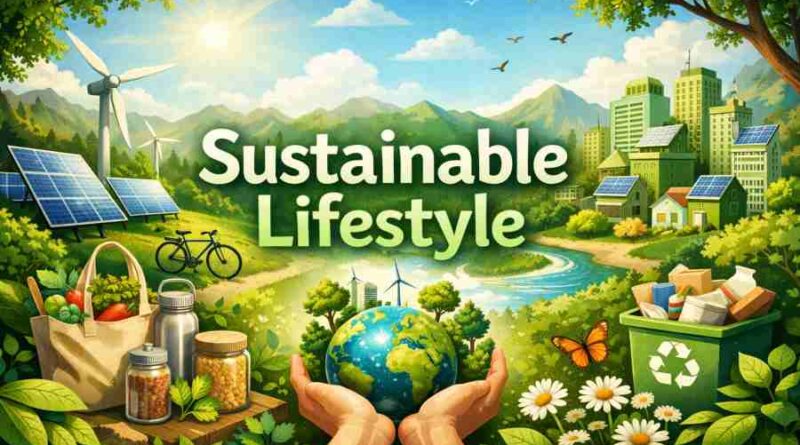
Sustainable Lifestyle – Meaning, Importance and Benefits for a Greener Future
Discover the meaning of a sustainable lifestyle, its importance and key benefits for the environment, health and future generations.
Sustainable Lifestyle
In today’s fast-changing world, the concept of a sustainable lifestyle has gained immense importance. With rising environmental concerns such as climate change, pollution, and resource depletion, people are becoming more aware of the need to live responsibly. A sustainable lifestyle is not just a trend; it is a necessary shift toward preserving the planet for future generations.
Table of Contents
What is a Sustainable Lifestyle?
A sustainable life style refers to a way of living that minimizes harm to the environment while ensuring the efficient use of natural resources. It involves making conscious choices in daily life to reduce waste, conserve energy, and promote ecological balance.
In simple terms, it means living in a way that meets our present needs without compromising the ability of future generations to meet theirs. This concept is deeply connected to environmental protection, economic stability, and social well-being.
Key Principles of a Sustainable Lifestyle
A sustainable lifestyle is built on several important principles:
1. Reduce, Reuse, Recycle
This is the foundation of sustainability. Reducing waste, reusing items, and recycling materials help conserve resources and reduce landfill waste.
2. Energy Efficiency
Using energy-efficient appliances, switching to renewable energy sources like solar power, and conserving electricity are essential practices.
3. Responsible Consumption
Buying only what is necessary and choosing eco-friendly products reduces environmental impact.
4. Conservation of Natural Resources
Saving water, protecting forests, and minimizing pollution are crucial steps toward sustainability.
5. Supporting Local and Sustainable Products
Choosing locally produced goods reduces transportation emissions and supports local economies.
Benefits of a Sustainable Lifestyle
Adopting a sustainable lifestyle offers numerous benefits not only for the environment but also for individuals and society as a whole.
1. Environmental Protection
One of the most significant benefits is the protection of the environment. Sustainable practices reduce pollution, conserve natural resources, and protect biodiversity. For example, reducing plastic use helps prevent ocean pollution and protects marine life.
2. Improved Health and Well-being
Living sustainably often involves healthier choices such as eating organic food, walking or cycling instead of driving, and reducing exposure to harmful chemicals. These habits contribute to better physical and mental health.
3. Cost Savings
A sustainable lifestyle can help save money in the long run. Using less energy, reducing waste, and avoiding unnecessary purchases lead to financial savings. For instance, using LED bulbs and energy-efficient appliances lowers electricity bills.
4. Conservation of Resources
Natural resources like water, fossil fuels, and forests are limited. Sustainable living ensures that these resources are used wisely and preserved for future generations.
5. Reduction in Carbon Footprint
Every individual contributes to carbon emissions. By adopting eco-friendly habits such as using public transport, reducing energy consumption, and avoiding single-use plastics, one can significantly reduce their carbon footprint.
6. Encourages Social Responsibility
Sustainability promotes awareness about global issues such as climate change and inequality. It encourages individuals to make ethical choices and contribute positively to society.
7. Supports Economic Stability
Sustainable practices support long-term economic growth by encouraging efficient use of resources and promoting green industries. It creates job opportunities in renewable energy, recycling, and eco-friendly manufacturing sectors.
How to Adopt a Sustainable Lifestyle
Transitioning to a sustainable lifestyle does not require drastic changes. Small steps can make a big difference over time.
- Use reusable bags, bottles, and containers
- Avoid single-use plastics
- Conserve water by fixing leaks and using water-efficient fixtures
- Switch off lights and appliances when not in use
- Use public transport, carpool, or cycle
- Plant trees and support green initiatives
- Choose eco-friendly and biodegradable products
Consistency is the key. Even small daily actions can collectively create a significant impact.
Challenges in Sustainable Living
Despite its benefits, adopting a sustainable lifestyle can be challenging for some people. Lack of awareness, higher costs of eco-friendly products, and limited access to sustainable alternatives are common barriers.
However, with increasing awareness and technological advancements, sustainable options are becoming more accessible and affordable.
Summary
A sustainable lifestyle is not just about protecting the environment; it is about creating a balanced and responsible way of living. By making mindful choices, individuals can contribute to a healthier planet, improved well-being, and a better future.
The journey toward sustainability begins with small steps. When more people adopt sustainable practices, the collective impact can lead to significant positive changes. It is not just a responsibility but a necessity for ensuring the survival and prosperity of future generations.
Also Check: Environment