What is Biodiversity? Understanding Life on Earth
Learn what is biodiversity, why it matters, its types, importance, threats and how we can protect it in this simple and easy to understand guide.
What is Biodiversity?
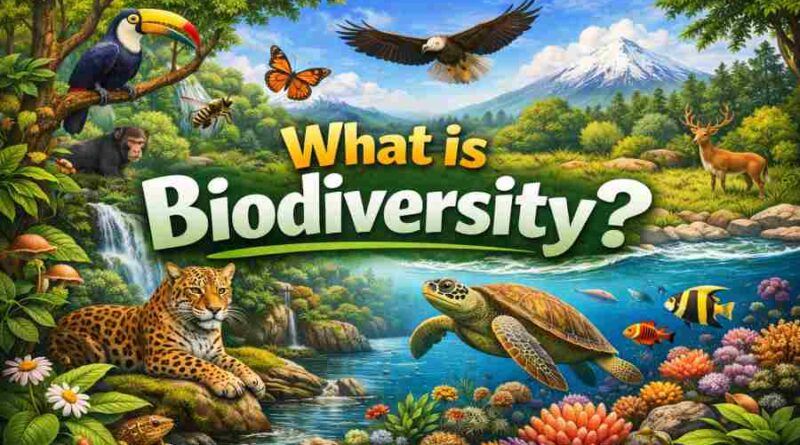
Biodiversity is one of the most important concepts in environmental studies, yet many people find the word confusing. Biodiversity simply refers to the wide variety of living things found on our planet, including plants, animals and microorganisms. It includes all living organisms, plants, animals, insects, fungi, and microorganisms, along with the ecosystems they form.
The term “biodiversity” is short for “biological diversity.” It describes how rich and diverse life is in a particular area or on the entire planet. From tiny bacteria in the soil to massive elephants in forests, all living things are part of biodiversity.
Earth is home to millions of different species, ranging from tiny microorganisms to large animals and towering trees. Some live in oceans, some in forests, some in deserts, and some even in extreme environments like icy regions. This wide range of life forms makes our planet unique and beautiful.
Table of Contents
Types of Biodiversity
Biodiversity is generally divided into three main types:
1. Genetic Diversity
Genetic diversity means the differences in genes among individuals of the same species, which make them slightly unique from one another. For example, different varieties of rice, mangoes, or dogs exist because of genetic differences. These variations help species adapt to changes in the environment. If a disease spreads, genetic diversity increases the chance that some individuals will survive.
2. Species Diversity
Species diversity refers to the variety of different species living in a particular area. A tropical rainforest has high species diversity because it contains many types of plants, animals, birds, and insects. On the other hand, a desert has fewer species and therefore lower species diversity.
3. Ecosystem Diversity
Ecosystem diversity refers to the variety of ecosystems in a region. Forests, grasslands, wetlands, mountains, oceans, and coral reefs are all different ecosystems. Each ecosystem supports different kinds of life and plays a unique role in maintaining environmental balance.
Why is Biodiversity Important?
Biodiversity is essential for the survival of life on Earth. It supports both nature and human life in many ways.
1. Provides Food and Resources
We depend on biodiversity for food, medicine, fuel, and raw materials. Crops, fruits, vegetables, fish, and livestock all come from nature. Many medicines are made from plants and microorganisms.
2. Maintains Ecological Balance
Every species has a role in the ecosystem. Plants produce oxygen and absorb carbon dioxide. Animals help in pollination and seed dispersal. Microorganisms break down waste and recycle nutrients. When biodiversity is strong, ecosystems function properly.
3. Supports the Economy
Agriculture, fisheries, tourism, and forestry all depend on biodiversity. Many people earn their livelihood from natural resources.
4. Cultural and Aesthetic Value
Nature provides beauty, inspiration, and peace. Forests, rivers, mountains, and wildlife attract tourists and support cultural traditions.
Examples of Biodiversity around the World
Different regions of the world show different levels of biodiversity.
The Amazon Rainforest in Amazon Rainforest is one of the most biodiverse places on Earth. It is home to millions of species, and scientists are still discovering many plants and animals that have not yet been studied or named.
The Great Barrier Reef in Great Barrier Reef is the world’s largest coral reef system and supports thousands of marine species.
In India, biodiversity ranges from the Himalayan mountains to tropical forests and coastal regions. Western Ghats is known as a biodiversity hotspot because it supports many rare and endangered species.
These examples show how biodiversity varies from place to place but remains vital everywhere.
Threats to Biodiversity
Sadly, biodiversity is decreasing at a fast rate because of various human activities. Some of the main threats are:
1. Deforestation
Cutting down forests for agriculture, industries, and urban development destroys habitats. When natural habitats are damaged or destroyed, many plants and animals lose their shelter and access to food, making it difficult for them to survive.
2. Pollution
Air, water, and soil pollution harm plants and animals. Plastic waste in oceans affects marine life. Chemical fertilizers and pesticides damage soil organisms.
3. Climate Change
Rising temperatures, melting glaciers, and changing rainfall patterns affect ecosystems. Some species cannot adapt quickly and may become extinct.
4. Overexploitation
Excessive hunting, fishing, and harvesting of natural resources reduce populations of species.
5. Invasive Species
Sometimes species introduced from other regions spread rapidly and harm native species.
How Can We Protect Biodiversity?
Protecting biodiversity is a shared responsibility. Governments, organizations, and individuals all have roles to play.
1. Protect Natural Habitats
Creating national parks, wildlife sanctuaries, and protected areas helps conserve species in their natural environments.
2. Practice Sustainable Living
Using resources wisely, reducing waste, and conserving water and energy can reduce pressure on nature.
3. Plant Trees
Afforestation and reforestation improve habitats and increase biodiversity.
4. Reduce Pollution
Avoiding single-use plastics, recycling materials, and using eco-friendly products can protect ecosystems.
5. Spread Awareness
Education and awareness help people understand the importance of biodiversity and encourage responsible behavior.
Summary
Biodiversity refers to the wide range of living organisms on Earth. It includes differences within species (genetic diversity), the variety of different species (species diversity), and the many types of ecosystems where life exists (ecosystem diversity). Biodiversity supports food production, medicine, climate regulation, and economic activities. It maintains ecological balance and makes our planet livable.
However, human activities like deforestation, pollution, and climate change are threatening biodiversity. If we do not act responsibly, many species may disappear forever.
Protecting biodiversity is not just about saving animals and plants, it is about protecting our own future. A healthy planet depends on rich and balanced biodiversity. By making small but meaningful changes in our daily lives, we can help preserve the beauty and richness of life on Earth for future generations.
Also Check: Environment