Waste Management – Types, Methods and Smart Solutions for a Cleaner Future
Waste Management: Discover effective waste management methods, types, benefits and practical solutions to reduce pollution and build a cleaner, greener future.
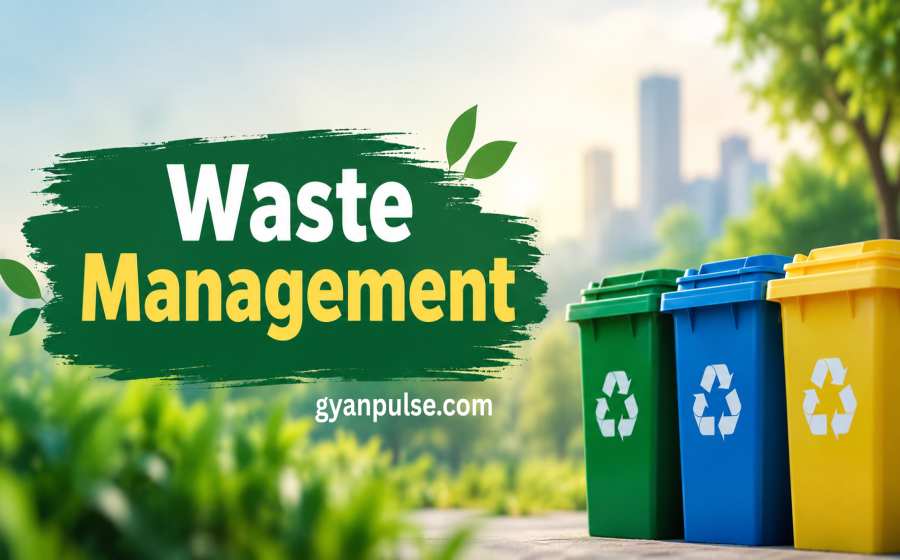
Waste Management
Waste management is one of the most crucial environmental concerns in today’s world. With rapid urbanization, population growth, and industrial development, the amount of waste generated has increased significantly. Proper waste management is essential not only to maintain cleanliness but also to protect human health and preserve natural ecosystems.
Table of Contents
What is Waste Management?
Management of Waste refers to the collection, transportation, processing, recycling, and disposal of waste materials in a safe and efficient manner. The primary goal is to minimize the harmful effects of waste on the environment and human health while promoting resource conservation.
Types of Waste
Understanding the different types of waste is the first step toward effective waste management. Waste can be broadly classified into the following categories:
1. Solid Waste
Solid waste includes everyday items discarded by households and businesses. Examples include food scraps, plastic, paper, glass, and metal. It is one of the most common forms of waste generated in urban areas.
2. Liquid Waste
Liquid waste consists of wastewater, sewage, and industrial effluents. Improper disposal of liquid waste can lead to water pollution, affecting rivers, lakes, and groundwater.
3. Organic Waste
Organic waste is biodegradable and comes from plant and animal sources such as food waste, garden waste, and agricultural residues. This type of waste can be decomposed naturally.
4. Hazardous Waste
Hazardous waste includes toxic, flammable, or corrosive materials such as chemicals, batteries, medical waste, and electronic waste. These require special handling and disposal methods due to their harmful nature.
5. Recyclable Waste
Recyclable waste includes materials like paper, plastic, metal, and glass that can be processed and reused to create new products. Recycling helps conserve natural resources and reduce landfill waste.
Methods of Waste Management
Effective waste management involves various methods that help reduce, reuse, and recycle waste. Some of the most important methods are:
1. Recycling
Recycling is the process of converting waste materials into new products. It reduces the need for raw materials, saves energy, and minimizes pollution. Commonly recycled materials include paper, plastic, glass, and metals.
2. Composting
Composting is a natural process that converts organic waste into nutrient-rich compost. This method is widely used in agriculture and gardening as it improves soil fertility and reduces the need for chemical fertilizers.
3. Landfills
Landfills are designated areas where waste is buried under controlled conditions. Modern landfills are designed to minimize environmental impact, but they still pose risks such as soil and groundwater contamination if not managed properly.
4. Incineration
Incineration involves burning waste at high temperatures to reduce its volume. This method is commonly used for hazardous and medical waste. It also generates energy, but it can release harmful gases if not properly controlled.
5. Waste Segregation
Waste segregation is the practice of separating waste into different categories at the source, such as biodegradable and non-biodegradable waste. This makes recycling and disposal more efficient.
6. Reuse
Reusing involves using items multiple times instead of discarding them after a single use. For example, using cloth bags instead of plastic bags helps reduce waste generation.
7. Waste-to-Energy
This method involves converting waste materials into energy, such as electricity or heat. It helps reduce landfill waste while providing a renewable energy source.
Importance of Waste Management
Proper Management of Waste plays a vital role in maintaining environmental balance. Some key benefits include:
- Environmental Protection: Reduces pollution of air, water, and soil.
- Health Safety: Prevents the spread of diseases caused by waste accumulation.
- Resource Conservation: Promotes recycling and efficient use of resources.
- Energy Savings: Recycling and waste-to-energy methods save energy.
- Economic Benefits: Creates job opportunities in recycling and waste management industries.
Challenges in Waste Management
Despite its importance, waste management faces several challenges:
- Lack of awareness among people
- Improper waste segregation
- Limited recycling facilities
- Rapid increase in waste generation
- Inefficient waste collection systems
Addressing these challenges requires strong government policies, public participation, and technological advancements.
Sustainable Waste Management for a Greener Future
Sustainable waste manage-ment requires everyone to take responsible steps to reduce the amount of waste produced and ensure proper disposal. Simple habits such as avoiding unnecessary plastic, reusing useful items, separating waste at home, composting organic materials, and recycling can make a meaningful difference. When individuals, communities, industries, and governments work together, waste can be transformed from an environmental burden into valuable resources while creating a cleaner and healthier future.
Summary
Waste manage-ment is a shared responsibility that requires collective efforts from individuals, communities, and governments. By adopting practices like recycling, composting, and reducing waste generation, we can significantly minimize environmental damage. A sustainable future depends on how effectively we manage our waste today. Making small changes in our daily habits can lead to a cleaner, greener, and healthier planet for future generations.
Also Check: Environment