Marine Pollution and Ocean Conservation – Protecting the Blue Heart of Earth
Learn about marine pollution and ocean conservation, their causes, effects and solutions to protect marine ecosystems and ensure a sustainable future.
Marine Pollution and Ocean Conservation
The oceans cover more than 70% of Earth’s surface and play a vital role in maintaining life on the planet. Oceans regulate climate, produce oxygen, support biodiversity, and provide food and livelihoods to billions of people. However, increasing human activities have caused serious damage to marine ecosystems. Marine pollution has become one of the greatest environmental challenges of the modern world. Protecting oceans through conservation efforts is now essential for the survival of marine life and human civilization.
Table of Contents
What is Marine Pollution?
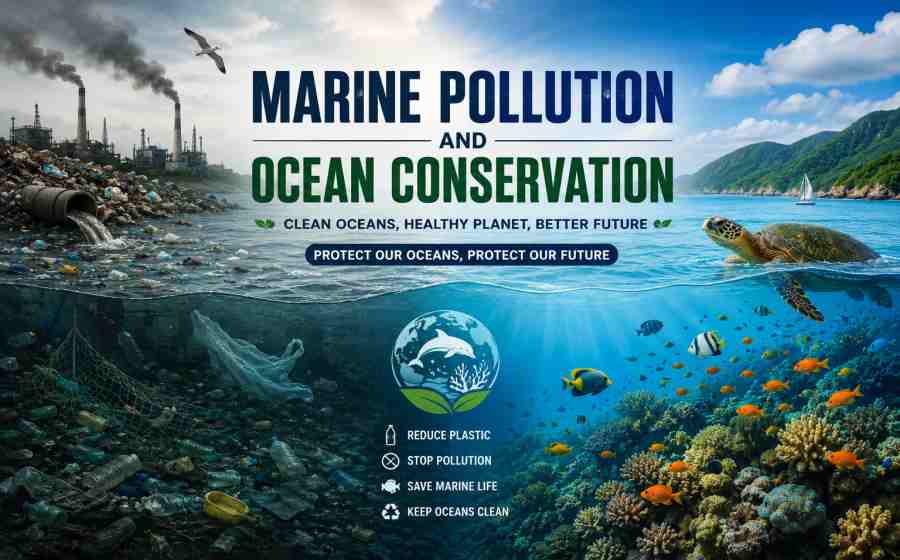
Pollution of Marine refers to the introduction of harmful substances or waste into oceans, seas, and coastal waters. These pollutants damage marine ecosystems, affect aquatic organisms, and reduce water quality. Pollution can come from land-based activities, industries, agriculture, shipping, and oil extraction.
The major forms of marine pollution include plastic waste, oil spills, chemical discharge, sewage, agricultural runoff, and noise pollution. These pollutants disturb the natural balance of marine environments and threaten ocean biodiversity.
Major Causes of Marine Pollution
1. Plastic Waste
Plastic pollution is one of the most dangerous threats to oceans. Millions of tons of plastic waste enter oceans every year through rivers, beaches, and drainage systems. Plastic bags, bottles, fishing nets, and microplastics remain in water for hundreds of years.
Marine animals often mistake plastic for food, leading to injury, starvation, or death. Sea turtles, whales, fish, and seabirds are heavily affected by plastic pollution.
2. Oil Spills
Oil spills from ships, pipelines, and offshore drilling activities release large quantities of oil into the sea. Oil spreads quickly over the water surface, blocking sunlight and reducing oxygen levels.
Oil pollution harms fish, seabirds, coral reefs, and coastal ecosystems. Cleaning oil spills is expensive and difficult, and the environmental damage may last for decades.
3. Industrial and Chemical Waste
Factories and industries often discharge toxic chemicals, heavy metals, and untreated waste into rivers and oceans. Chemicals such as mercury, lead, and pesticides contaminate marine water and enter the food chain.
These pollutants can poison marine organisms and also affect human health when contaminated seafood is consumed.
4. Agricultural Runoff
Fertilizers and pesticides used in agriculture are washed into rivers during rainfall and eventually reach oceans. Excess nutrients in water cause algal blooms, which reduce oxygen levels and create “dead zones” where marine life cannot survive.
5. Sewage and Wastewater
Untreated sewage from cities and towns pollutes coastal waters. Sewage contains harmful bacteria, viruses, and chemicals that spread diseases and damage aquatic ecosystems.
6. Noise Pollution
Human activities such as shipping, underwater drilling, and military sonar create excessive underwater noise. Marine animals like whales and dolphins rely on sound for communication and navigation. Noise pollution disrupts their behavior and survival.
Effects of Marine Pollution
Harm to Marine Life
Marine pollution causes injury, poisoning, and death of aquatic organisms. Fish, turtles, dolphins, and seabirds suffer greatly due to polluted waters and plastic ingestion.
Destruction of Coral Reefs
Coral reefs are highly sensitive ecosystems. Pollution, rising temperatures, and chemical waste damage coral reefs, leading to coral bleaching and loss of marine biodiversity.
Impact on Human Health
Humans are also affected by marine pollution. Contaminated seafood may contain toxic substances that cause serious health problems. Polluted beaches and coastal waters can spread diseases.
Economic Losses
Marine pollution affects fishing industries, tourism, and coastal businesses. Polluted beaches reduce tourism income, while declining fish populations affect fishermen’s livelihoods.
Climate Change Connection
Healthy oceans absorb carbon dioxide and regulate climate. Polluted and damaged oceans lose their ability to support climate balance, worsening global warming and environmental instability.
What is Ocean Conservation?
Ocean conservation refers to the protection, preservation, and sustainable management of marine ecosystems and ocean resources. The main goal is to maintain healthy oceans for present and future generations.
Ocean conservation includes reducing pollution, protecting marine biodiversity, conserving coral reefs, and promoting sustainable fishing practices.
Importance of Ocean Conservation
Protecting Biodiversity
Oceans are home to millions of species, many of which are still undiscovered. Conservation efforts help protect marine plants and animals from extinction.
Supporting Food Security
Billions of people depend on seafood as a source of nutrition and income. Healthy oceans ensure sustainable fish populations and food supply.
Climate Regulation
Oceans absorb large amounts of heat and carbon dioxide from the atmosphere. Conserving marine ecosystems helps maintain global climate stability.
Economic Benefits
Tourism, fisheries, and shipping industries depend on healthy oceans. Ocean conservation supports sustainable economic development and employment opportunities.
Methods of Ocean Conservation
Reducing Plastic Use
Using reusable bags, bottles, and containers can significantly reduce plastic waste. Recycling and proper waste management also help prevent plastics from entering oceans.
Marine Protected Areas
Governments and environmental organizations create marine protected areas where fishing and industrial activities are restricted. These protected zones help restore marine biodiversity.
Sustainable Fishing
Overfishing threatens many fish species. Sustainable fishing practices ensure that fish populations remain stable without harming marine ecosystems.
Wastewater Treatment
Proper treatment of sewage and industrial waste before discharge reduces water pollution and protects marine environments.
Public Awareness and Education
Environmental education encourages people to understand the importance of oceans and adopt eco-friendly habits. Awareness campaigns inspire communities to participate in conservation activities.
International Cooperation
Marine pollution is a global issue that requires international action. Countries must work together through environmental agreements and policies to protect oceans.
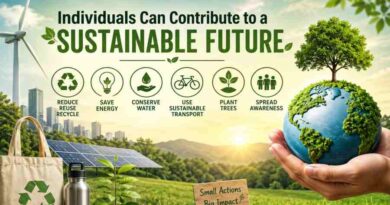
Role of Individuals in Ocean Protection
Every person can contribute to ocean conservation through simple daily actions:
- Avoid single-use plastics
- Dispose of waste responsibly
- Participate in beach clean-up programs
- Support eco-friendly products
- Save water and reduce chemical usage
- Spread awareness about marine conservation
Small individual efforts can collectively create a major positive impact on marine ecosystems.
Summary
Marine pollution is a serious environmental problem that threatens oceans, marine life, and human health. Plastic waste, oil spills, industrial discharge, and untreated sewage continue to damage marine ecosystems worldwide. At the same time, ocean conservation offers hope for protecting the planet’s valuable water resources.
Healthy oceans are essential for biodiversity, climate regulation, food security, and economic growth. Governments, organizations, industries, and individuals must work together to reduce pollution and promote sustainable practices. By protecting oceans today, humanity can ensure a cleaner, healthier and more sustainable future for generations to come.
Also Check: Environment