Seychelles – History, Culture, Tourism, Sports and Key Facts About the Island Nation
Discover Seychelles through its history, geography, culture, sports, economy and fascinating key facts about this beautiful island nation in the Indian Ocean.
Seychelles
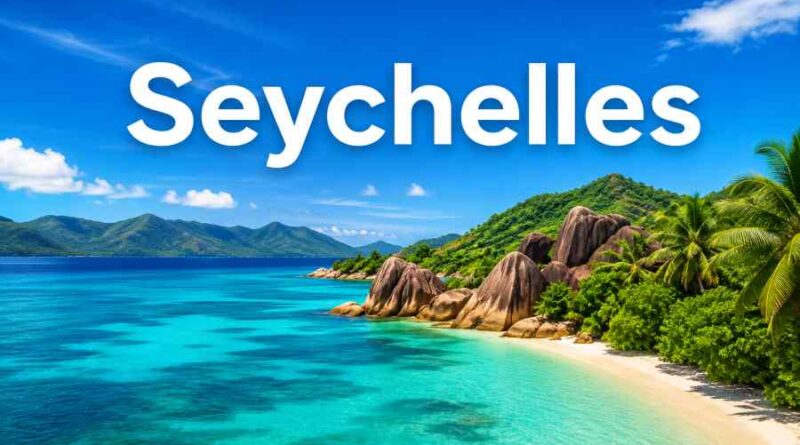
Seychelles is a beautiful island country located in the Indian Ocean, off the eastern coast of Africa. Famous for its white sandy beaches, turquoise waters, coral reefs and rich biodiversity, Seychelles is one of the world’s most picturesque island nations. Despite its small size and population, the country has a unique history, diverse culture and important natural heritage.
Seychelles consists of more than one hundred islands scattered across the western Indian Ocean. Its strategic location, multicultural population and dependence on tourism have played an important role in shaping the country’s identity. Today, Seychelles is widely known as a peaceful country with a strong focus on environmental conservation and sustainable development.
Table of Contents
Location and Geography of Seychelles
Seychelles is located in the Indian Ocean, northeast of Madagascar and off the eastern coast of Africa. The country is made up of an archipelago consisting of 115 islands. The islands are generally divided into two main groups: the granitic islands and the coral islands.
The largest and most populated island is Mahé, where the capital city, Victoria, is located. Other important islands include Praslin and La Digue.
Seychelles has a tropical climate with warm temperatures throughout the year. The islands are surrounded by crystal-clear waters, coral reefs and marine ecosystems. Dense forests, mountains and unique plant and animal species can also be found across the country.
The highest point in Seychelles is Morne Seychellois, located on Mahé Island. The natural beauty of the islands makes Seychelles one of the most famous tourist destinations in the world.
Brief History of Seychelles
The islands of Seychelles were uninhabited for much of their early history. Arab and European sailors are believed to have known about the islands before permanent settlements were established.
The French officially claimed Seychelles in the 18th century. French settlers established plantations and brought enslaved people from Africa and other regions to work on the islands. French influence can still be seen today in the language, food and culture of Seychelles.
During the early 19th century, Seychelles came under British control following the Napoleonic Wars. The islands remained a British colony for many years.
Seychelles gained independence from Britain on 29 June 1976 and became a sovereign republic. Since independence, the country has developed its tourism industry and strengthened its role in international environmental conservation.
Capital and Major Islands
The capital of Seychelles is Victoria, located on Mahé Island. Victoria is one of the smallest capital cities in the world and serves as the country’s political, economic and cultural centre.
Mahé is the largest island and home to most of the country’s population. It also contains Seychelles International Airport and important government institutions.
Praslin is another major island and is famous for the Vallée de Mai Nature Reserve, known for the rare coco de mer palm. La Digue is well known for its relaxed atmosphere, traditional lifestyle and spectacular beaches.
Although many islands are inhabited, several remain largely untouched and are protected for their environmental importance.
Culture and People of Seychelles
The culture of Seychelles is a blend of African, European and Asian influences. The population is mainly made up of people with African, French, Indian, Chinese and other ancestral backgrounds.
The people of Seychelles are known as Seychellois. Cultural traditions reflect the country’s multicultural history.
The official languages of Seychelles are:
- Seychellois Creole
- English
- French
Seychellois Creole, also known as Kreol Seselwa, is widely spoken in daily life.
Music and dance are important parts of the national culture. Traditional forms of music often combine African rhythms with European and island influences. Popular cultural dances include the moutya and sega.
Festivals, local celebrations and religious events also play an important role in bringing communities together.
Food and Cuisine
Seychellois cuisine reflects the country’s multicultural identity and coastal geography. Seafood is an important part of the traditional diet.
Common ingredients include fish, coconut, rice, spices, vegetables and tropical fruits. Tuna, octopus and other seafood are frequently used in local dishes.
Popular Seychellois foods include:
- Grilled fish
- Fish curry
- Coconut-based dishes
- Octopus curry
- Lentil dishes
- Tropical fruit preparations
The cuisine combines African, French, Indian and Chinese culinary traditions, giving Seychelles a distinctive food culture.
Economy of Seychelles
Tourism is one of the most important sectors of the Seychelles economy. Visitors from around the world travel to the islands to enjoy beaches, diving, wildlife and luxury resorts.
Fishing is another important economic activity. Seychelles is especially connected with tuna fishing and related industries.
The country also earns income from financial services and other service-based industries.
Because Seychelles is a small island nation, it faces economic challenges related to its dependence on imports and tourism. Global economic changes and environmental problems can have a significant impact on the country.
Sports in Seychelles
Sports are an important part of life in Seychelles. Football is among the most popular sports in the country, and the Seychelles national football team represents the nation in international competitions.
Other popular sports include:
- Athletics
- Basketball
- Volleyball
- Swimming
- Sailing
- Cycling
- Boxing
- Tennis
Water sports are particularly important because of the country’s island geography. Swimming, sailing, diving and fishing are popular recreational and competitive activities.
Seychellois athletes also participate in regional and international sporting events, including the Commonwealth Games and other African competitions.
Wildlife and Environmental Importance
Seychelles is internationally recognised for its exceptional biodiversity. The islands contain many plant and animal species that are found nowhere else in the world.
One of the most famous natural symbols of Seychelles is the coco de mer, a palm tree known for producing one of the largest seeds in the plant kingdom.
The country is also home to giant tortoises, rare birds and diverse marine life. The Aldabra giant tortoise is among the most well-known animals associated with Seychelles.
Coral reefs surrounding the islands provide habitats for many fish and marine species. However, climate change and rising sea temperatures pose serious threats to these ecosystems.
Environmental conservation is therefore extremely important for Seychelles. Protected areas, marine parks and nature reserves help preserve the country’s natural resources.
Government and Political System
Seychelles is a republic with a democratic political system. The President serves as both the head of state and head of government.
The country has a constitution and elected representatives. Victoria serves as the centre of national administration and government.
Since gaining independence, Seychelles has worked to develop its political institutions while maintaining stability and strengthening its international relationships.
Education and Society
Education is considered an important part of national development in Seychelles. The country has developed a modern education system, and schooling is widely accessible.
Healthcare and social development have also received significant attention. Compared with many countries in the African region, Seychelles has achieved relatively high levels of human development.
The small population and strong emphasis on public services have contributed to the country’s social progress.
Interesting Facts About Seychelles
Here are some important and fascinating facts about Seychelles:
- Seychelles is an archipelago of 115 islands in the Indian Ocean.
- The capital city is Victoria.
- Mahé is the largest island.
- Seychelles gained independence on 29 June 1976.
- The official languages are Seychellois Creole, English and French.
- Tourism is one of the country’s major economic sectors.
- Seychelles is famous for its beaches and coral reefs.
- The country is home to the rare coco de mer palm.
- Giant tortoises are among its famous wildlife species.
- Seychelles has a tropical climate throughout the year.
- Victoria is one of the smallest capital cities in the world.
- Environmental conservation is a major national priority.
- The country has both granitic and coral islands.
- Fishing is an important part of the economy.
- Football and water sports are popular in Seychelles.
Summary
Seychelles is much more than a beautiful tourist destination. It is a fascinating island nation with a rich history, multicultural society, unique wildlife and strong environmental importance. From its French and British colonial past to its modern independent identity, Seychelles has developed a culture that reflects influences from Africa, Europe and Asia.
Its stunning beaches, rare species, tropical forests and coral reefs make it one of the world’s most remarkable natural destinations. At the same time, Seychelles faces modern challenges such as climate change, environmental protection and economic dependence on tourism.
Also Check: General Knowledge