
Palau – History, Culture, Sports and Fascinating Key Facts About the Island Nation
Discover Palau’s history, culture, sports, geography and key facts. Explore this beautiful Pacific island nation and its unique natural heritage.
Palau
Palau is a small but fascinating island nation located in the western Pacific Ocean. Known for its crystal-clear waters, spectacular coral reefs, tropical islands and rich marine biodiversity, Palau is considered one of the world’s most beautiful island destinations. Despite its small population and land area, the country has a unique history, vibrant culture and important environmental significance.
Officially known as the Republic of Palau, the country consists of hundreds of islands spread across the western Pacific. Palau is particularly famous for its natural beauty, including the Rock Islands, Jellyfish Lake and colourful coral reefs. Tourism, fishing and government services play important roles in its economy. Palau is an excellent example of how a small nation can preserve its cultural traditions while also focusing strongly on environmental conservation and sustainable development.
Table of Contents
Location and Geography of Palau
Palau is located in the western Pacific Ocean, southeast of the Philippines and east of Indonesia. It is part of the larger island region known as Micronesia.
The country consists of more than 300 islands, although only a small number of them are permanently inhabited. The largest island is Babeldaob, which contains forests, hills and several traditional villages. The capital city, Ngerulmud, is located on Babeldaob Island.
Another important population centre is Koror, which has historically been the country’s main commercial and urban centre.
Palau has a tropical climate, meaning that temperatures remain warm throughout most of the year. The islands receive significant rainfall and are covered with lush vegetation. Its surrounding waters contain coral reefs, lagoons and a remarkable variety of marine species.
A Brief History of Palau
Palau has been inhabited for thousands of years. The earliest settlers are believed to have arrived from nearby regions of Southeast Asia and the Pacific. Over time, Palauan society developed its own traditions, languages and systems of leadership.
European contact began when Spanish explorers reached the region. For many years, Palau was influenced by several foreign powers. Spain controlled the islands during part of the colonial period, followed later by Germany.
After World War I, Palau came under Japanese administration. Japanese influence became significant during the first half of the twentieth century. During World War II, the islands became strategically important because of their location in the Pacific.
After the war, Palau became part of the Trust Territory of the Pacific Islands, administered by the United States. The country gradually moved toward self-government and eventually became fully independent.
Palau officially became an independent nation in 1994 and entered into a Compact of Free Association with the United States. Since independence, the country has worked to strengthen democracy, develop its economy and protect its natural environment.
Government and Political System
Palau is a democratic republic with a presidential system of government. The President serves as both the head of state and the head of government.
The country has a written constitution and an elected legislature. Palau is divided into several states, each with its own local administration and cultural identity.
Although Palau is a small country in terms of population, it maintains independent institutions and participates actively in international affairs. Environmental protection and climate-related issues are especially important areas of concern for the nation.
Culture and Traditions of Palau
Palauan culture is deeply connected to family, community and respect for tradition. Ancient customs continue to influence modern life, particularly in villages and local communities.
Traditional Palauan society placed great importance on clans and family relationships. Elders are highly respected, and traditional knowledge is often passed from one generation to another.
One of the most important aspects of Palauan culture is the bai, a traditional community meeting house. These buildings are known for their unique architecture and artistic decorations. Historically, they served as important places for community discussions and ceremonies.
Traditional dance and music are also important parts of Palauan cultural life. Performances often take place during festivals, ceremonies and national celebrations.
Palauan cuisine reflects the country’s island environment. Seafood is an important part of the traditional diet, along with coconut, taro and tropical fruits.
The official languages include Palauan and English. Japanese is also understood by some people due to historical connections.
Natural Beauty and Environmental Importance
Palau is internationally recognised for its extraordinary marine environment. Its waters contain hundreds of species of coral and a remarkable variety of fish and other marine animals.
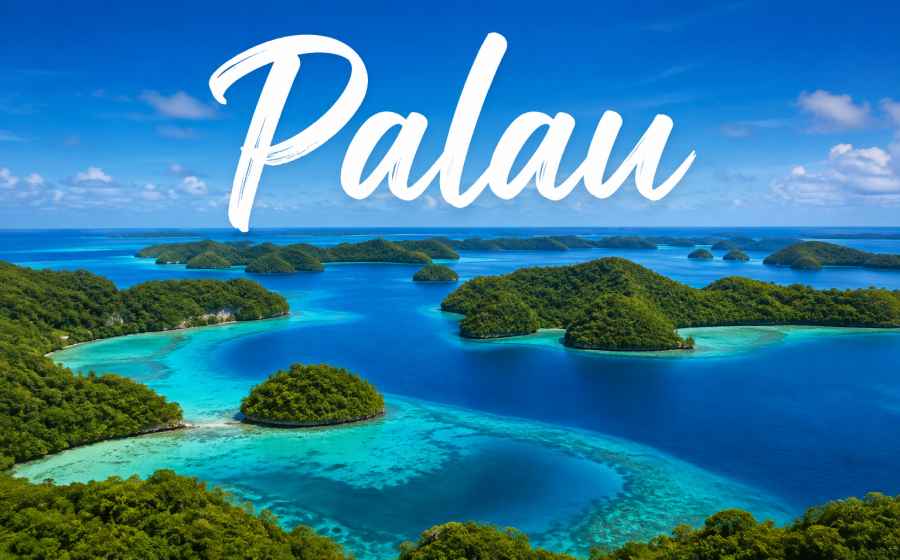
The famous Rock Islands are among Palau’s most iconic natural attractions. These small limestone islands rise dramatically from the ocean and create a stunning landscape of lagoons and turquoise water.
Another famous attraction is Jellyfish Lake, known for its population of jellyfish. The lake became internationally famous because visitors could observe these unique marine creatures in a protected natural environment.
Palau has taken several important steps to protect its oceans and marine ecosystems. The country is widely recognised for supporting marine conservation and sustainable fishing practices.
Climate change remains a major challenge for Palau. Rising sea levels, changing weather patterns and damage to coral reefs can have serious consequences for island nations. As a result, Palau has often spoken internationally about the importance of protecting the environment.
Economy of Palau
Palau has a relatively small economy. Tourism is one of its most important industries because visitors are attracted by diving, snorkeling and the country’s beautiful natural landscapes.
The marine environment is especially valuable for tourism. Palau is considered a popular destination for scuba divers because of its coral reefs, underwater caves and diverse marine life.
Fishing also contributes to the economy, while agriculture remains important for local communities. Crops such as taro, cassava and coconuts are traditionally grown on the islands.
Government services and financial assistance connected with international agreements also play an important role in Palau’s economy.
Because of its small size and remote location, Palau faces challenges related to transportation, infrastructure and the high cost of imported goods.
Sports in Palau
Sports are an important part of community life in Palau. Popular activities include baseball, basketball, football and various water sports.
Baseball has traditionally enjoyed significant popularity in the country, partly because of historical international influences. Basketball is also widely played, especially among young people.
Due to its island geography, water-based activities are naturally important. Swimming, canoeing, diving and fishing are closely connected with both recreation and traditional lifestyles.
Palau participates in international sporting events, including the Pacific Games and other regional competitions. The country has also taken part in the Olympic Games, allowing Palauan athletes to represent their nation on the global stage.
Although Palau has a small population, sports provide opportunities for young people to develop teamwork, discipline and national pride.
Education and Modern Development
Education plays an important role in Palau’s development. Schools provide students with knowledge of modern subjects while efforts are also made to preserve Palauan language and cultural traditions.
Young people often pursue higher education both within the Pacific region and abroad. Modern communication and technology have also increased Palau’s connection with the rest of the world.
At the same time, the country faces the challenge of balancing modern development with environmental conservation. Tourism and economic growth must be managed carefully to protect the fragile ecosystems that make Palau unique.
Key Facts About Palau
- Official Name: Republic of Palau
- Capital: Ngerulmud
- Largest City: Koror
- Region: Western Pacific Ocean, Micronesia
- Official Languages: Palauan and English
- Currency: United States Dollar (USD)
- Independence: 1994
- Government: Presidential republic
- Largest Island: Babeldaob
- Famous Attraction: Rock Islands
- Popular Activities: Diving, snorkeling and fishing
- Known For: Marine biodiversity and environmental conservation
Summary
Palau may be a small island nation, but it has a remarkable identity and global importance. Its long history, traditional culture, democratic system and extraordinary natural environment make it one of the most interesting countries in the Pacific region.
From the beautiful Rock Islands and coral reefs to its traditional community values and growing role in environmental protection, Palau offers much more than scenic beauty. The country demonstrates the importance of preserving nature while adapting to the challenges of the modern world.
Palau is an important country to study because it represents the geographical diversity, cultural richness and environmental challenges faced by small island nations. Its commitment to protecting the ocean and maintaining its cultural heritage makes Palau a truly unique nation of the Pacific.
Also Check: General Knowledge