
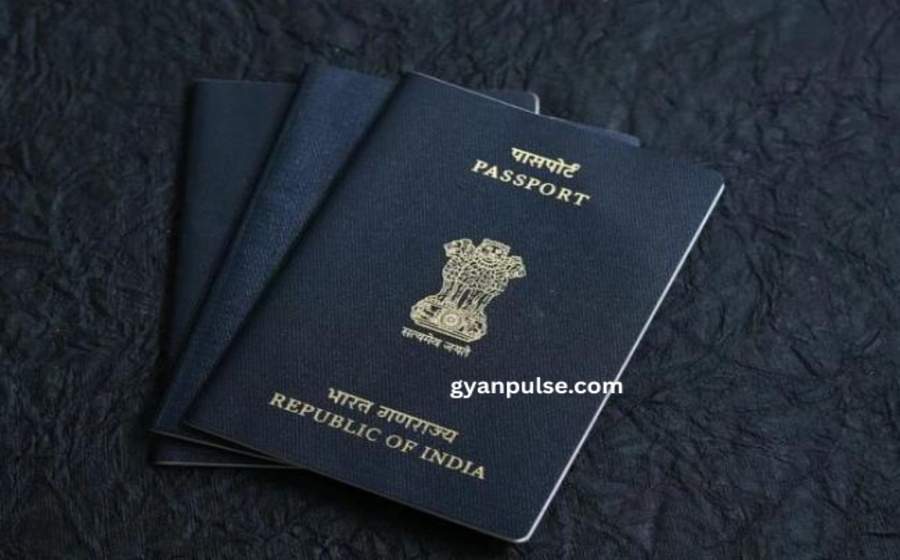
India Slips to 85th Position in the Henley Passport Index 2025
India Slips to 85th Position in the Henley Passport Index 2025, with visa-free access to 57 countries and changing global travel rankings.
India Slips to 85th Position in the Henley Passport
The 2025 Henley Passport Index highlights major changes in global travel freedom. India’s passport has slipped to the 85th position, offering visa-free access to 57 countries, compared to 59 last year. The index evaluates 199 countries based on the number of destinations their citizens can visit without needing a visa. Singapore tops the list with access to 193 countries, showcasing the growing strength of Asian nations in global mobility.
Table of Contents
Understanding the Henley Passport Index
The Henley Passport Index, introduced in 2005, compares passports worldwide by the number of countries their holders can visit without a visa. Updated every year, it reflects the latest changes in global visa rules. The index highlights how freely people from different nations can travel and serves as an important indicator of diplomatic ties and international openness.
India’s Passport: Global Ranking and Travel Access
In 2025, India’s passport slipped five places to rank 85th globally. Indian citizens can now travel to 57 countries without a visa, down from 59 in 2024. Over the years, India’s ranking has seen ups and downs, reaching a high of 71 in 2006 and dropping to 90 in 2021.
Visa-free travel is allowed to countries like Bhutan, Indonesia, Mauritius, Nepal, and Trinidad and Tobago. Additionally, Indian passport holders can obtain visas on arrival in 27 countries, including Sri Lanka, the Maldives, Jordan, and Qatar.
How India’s Passport Stacks Up Against South Asian Neighbors
India’s passport is moderately strong compared to its South Asian neighbors. Pakistan ranks 103rd, offering visa-free access to 31 countries. Bangladesh comes in at 100th with access to 38 destinations, Nepal is 101st with 36, and Bhutan ranks 92nd, allowing travel to 50 countries. Bhutan’s passport is slightly stronger, giving its citizens greater regional mobility.
The Fall in Strength of the United States Passport
In 2025, the US passport dropped out of the top 10 for the first time in 20 years, ranking 12th. American citizens can travel visa-free to 180 countries, but the US allows visa-free entry to only 46 nations, placing it 77th in openness.
This imbalance has triggered reciprocal visa restrictions. For example, Brazil reintroduced visa requirements for Americans in 2024, and countries like China, Vietnam, and several smaller nations have also limited US entry, affecting its global travel freedom.
Countries with the Most and Least Powerful Passports
Singapore leads the passport rankings, offering access to 193 destinations, followed closely by South Korea and Japan. European nations like Germany, Italy, Spain, and Switzerland continue to feature in the top 10, thanks to strong diplomatic ties. At the other end of the spectrum, Afghanistan has the weakest passport, allowing visa-free travel to just 24 countries.
Factors Affecting Passport Strength
A passport’s power depends on diplomatic relations, economic stability, and international agreements. Countries with strong ties and robust economies usually enjoy broader visa-free access. Political instability or strained relations can reduce mobility.
Travel freedom also reflects a nation’s global standing, security policies, and reciprocal visa arrangements, making passport strength a measure of both convenience and international influence.
Impact on Global Travel and Business
Passport rankings affect tourism, business, and international education. Citizens from countries with weaker passports face more visa restrictions, higher travel costs, and longer planning times. Conversely, strong passports ease global mobility, boosting trade, tourism, and professional opportunities.
This makes passport strength not just a travel convenience but an important factor in a nation’s economic and cultural engagement worldwide.
Trends in Passport Rankings
Recent years show dynamic changes in global passport rankings. Asian countries, led by Singapore and Japan, are rising due to growing diplomatic influence. Meanwhile, some traditionally strong Western passports face reciprocal restrictions.
Emerging economies are improving travel access, while conflict-affected nations see declines. These trends highlight how geopolitics, diplomacy, and international relations shape mobility around the world.
India’s Position in the Global Mobility Landscape
India’s decline to 85th place in the Henley Passport Index 2025 highlights the evolving nature of global travel freedom and international relations. While Indian passport holders still enjoy visa-free or visa-on-arrival access to several countries, the drop in ranking reflects increasing competition among nations to secure stronger travel privileges for their citizens. Passport strength is closely linked to diplomatic partnerships, economic influence, and global cooperation, making it an important indicator of a country’s international standing and the ease with which its citizens can access opportunities abroad.
Summary
The Henley Passport Index 2025 ranks India’s passport 85th globally, with visa-free access to 57 countries, down from 59 destinations in the previous year. The index measures global travel freedom based on visa requirements and highlights the influence of diplomacy and international relations on mobility. While India remains ahead of several South Asian neighbors, countries like Singapore continue to lead the rankings. The report also reflects broader global trends, showing how geopolitical changes, reciprocal visa policies, and economic strength shape passport power and international travel opportunities.
Also Check: Current Affairs