
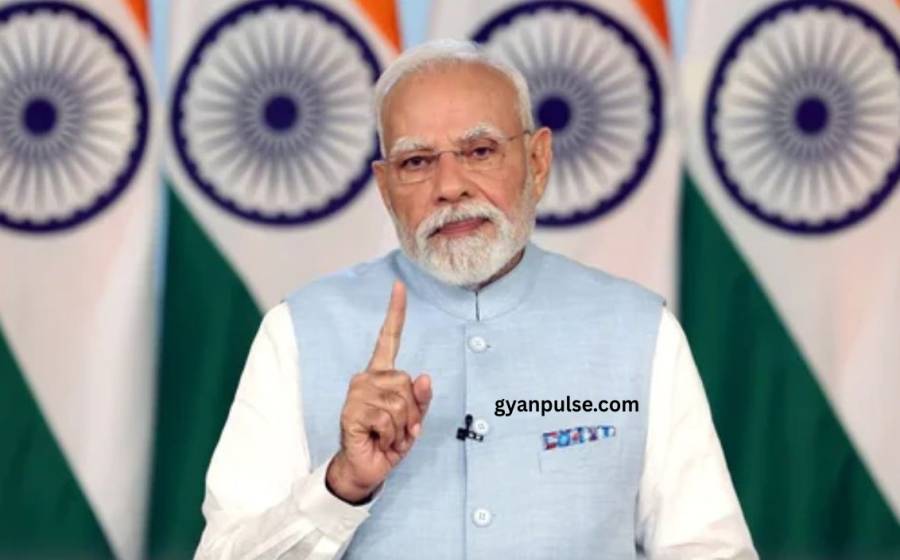
PM Narendra Modi Launches Next Generation GST Reforms for Savings and Self-Reliant India
PM Narendra Modi Launches Next Generation GST Reforms with simplified tax slabs, lower costs on essentials, MSME support and higher savings.
PM Narendra Modi Launches Next Generation GST Reforms
On 21 September 2025, Prime Minister Narendra Modi addressed the nation and introduced the Next-Generation GST reforms, set to take effect from 22 September. Calling it the ‘GST Bachat Utsav,’ he highlighted that the new system will lower the cost of essential goods, increase household savings, and give a strong push to Aatmanirbhar Bharat by supporting MSMEs and encouraging local manufacturing.
Table of Contents
Key Highlights of PM Modi’s Address on GST Reforms
The Prime Minister called the reforms people-focused and a historic milestone in India’s economic growth.
– New GST Structure: Only 5% and 18% tax slabs will apply.
– Reduced Costs: Essentials like food, medicines, soap, toothpaste, and insurance will have 0% or 5% tax.
– Savings Boost: Citizens may save over ₹2.5 lakh crore yearly with GST and income tax reforms.
– MSME Support: Simplified taxes to benefit small businesses, cottage industries, and entrepreneurs.
– Swadeshi Promotion: Encouragement to buy and sell Made in India products for self-reliance.
The Evolution of GST in India
PM Modi highlighted the 2017 GST reform that replaced complex taxes like Octroi, Entry Tax, VAT, and Service Tax with the concept of ‘One Nation, One Tax.’ He noted that earlier, businesses often exported goods instead of moving them within India due to tax barriers. The new reforms continue this simplification, supporting India’s growth and citizens’ needs.
Advantages of the Next-Generation GST Reforms
For Citizens:
- Affordable daily essentials and services
- Lower travel and hotel expenses due to reduced GST on hospitality
- Easier access to homes, cars, and other consumer goods
For MSMEs and Small Businesses:
- Reduced tax burden, boosting production and sales
- Increased global competitiveness of Indian products
- Simplified compliance, making business easier
For India’s Economy:
- Enhanced consumer spending power
- Promotion of domestic manufacturing under Aatmanirbhar Bharat
- Greater investment appeal and strengthened cooperative federalism
Promoting Self-Reliance and the Swadeshi Spirit
The Prime Minister stressed that India’s growth depends on self-reliance, and buying Made in India products, like the Swadeshi movement once did, will boost economic independence.
He urged:
Citizens to take the pledge: “I buy Swadeshi, I sell Swadeshi”.
Every household to embrace Swadeshi.
Every shop to showcase local products proudly.
Long-Term Economic Impact of the GST Changes
The Next-Generation GST reforms may play a significant role in shaping India’s long-term economic development by creating a more business-friendly environment. A simplified taxation system can improve efficiency across industries, reduce operational costs, and encourage investment in manufacturing and innovation. As local businesses become more competitive and consumer demand rises, these reforms could contribute to stronger economic stability, increased job creation, and broader opportunities for growth across different sectors.
Impact of GST Reforms on Consumers and Businesses
The Next-Generation GST reforms are expected to create a stronger connection between economic growth and everyday life by making products and services more affordable. Lower taxes on essential goods can increase purchasing power among citizens, while simplified tax structures may reduce compliance challenges for businesses. These changes can also encourage MSMEs to expand operations, create more employment opportunities, and strengthen India’s vision of becoming a self-reliant economy driven by local production and sustainable growth.
Summary
The Next-Generation GST reforms introduced by PM Narendra Modi aim to simplify India’s tax structure through fewer tax slabs and lower taxes on essential goods. The reforms are designed to reduce household expenses, increase savings, support MSMEs, promote Made in India products, and strengthen the vision of Aatmanirbhar Bharat while boosting economic growth and consumer spending.
Also Check: Current Affairs