National Youth Day in India – History, Significance and Why It is Celebrated
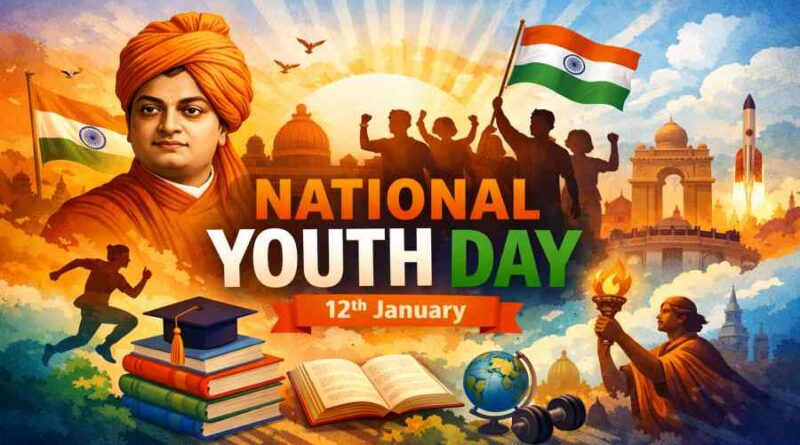
National Youth Day is celebrated in India on 12 January to honor Swami Vivekananda’s birth anniversary. Learn why it is celebrated, its history, significance and impact on Indian youth.
National Youth Day: An Overview
National Youth Day is an important national observance in India dedicated to inspiring and empowering the youth of the country. Celebrated every year on 12 January, this day marks the birth anniversary of Swami Vivekananda one of India’s greatest spiritual leaders, philosophers, and youth icons. The day emphasizes the role of young people in nation-building and highlights the values of discipline, character, courage, and service to society.
India has one of the largest youth populations in the world, and Youth Day serves as a reminder that the strength of the nation lies in the energy, creativity, and moral values of its young citizens.
Table of Contents
Why is National Youth Day Celebrated?
Youth Day is celebrated to commemorate the teachings and ideals of Swami Vivekananda, who firmly believed that the future of any nation depends on its youth. His thoughts on self-confidence, education, patriotism, and spiritual growth continue to motivate millions even today.
The day was officially declared as National Youth Day by the Government of India in 1984, with the first celebration held in 1985. The objective was to inspire young people to follow Vivekananda’s philosophy and contribute positively to society and the nation.
Who was Swami Vivekananda?
On 12 January 1863, Swami Vivekananda was born in the city of Kolkata. He was a disciple of Sri Ramakrishna Paramahamsa and played a crucial role in introducing Indian philosophy and Vedanta to the Western world. His historic speech at the Parliament of the World’s Religions in Chicago in 1893 brought global recognition to India’s spiritual heritage.
Vivekananda believed that youth should combine physical strength, mental sharpness, and moral integrity. His powerful words such as “Arise, awake, and stop not till the goal is reached” continue to inspire generations.
Historical Background of National Youth Day
The decision to celebrate Youth Day on Swami Vivekananda’s birthday was taken to acknowledge his immense contribution to shaping the minds of young Indians. The Indian government recognized that his ideals were timeless and relevant for addressing modern challenges faced by youth, such as unemployment, lack of direction, and moral confusion.
By dedicating a national day to youth, the government aimed to channel youthful energy toward constructive goals like education, innovation, social service, and leadership.
Significance of National Youth Day
Youth Day holds great significance as it focuses on youth empowerment and moral development. It reminds young individuals of their responsibilities toward society and encourages them to become disciplined, confident, and socially aware citizens.
The day also promotes national integration by spreading messages of unity, tolerance, and cultural pride. Vivekananda’s vision of a strong and self-reliant India resonates deeply with the goals of National Youth Day.
Objectives of National Youth Day
The primary objectives of celebrating Youth Day include:
- Encouraging youth to adopt positive values and ethical living
- Promoting education, leadership, and self-confidence
- Creating awareness about the social, economic, and political responsibilities of young citizens
- Inspiring youth to contribute to national development
- Spreading Swami Vivekananda’s message of universal brotherhood and service
Through these objectives, the day seeks to transform youthful potential into national strength.
Themes of National Youth Day
Every year, Youth Day is celebrated with a specific theme that reflects contemporary issues faced by young people. These themes focus on areas such as education, innovation, leadership, social harmony, digital empowerment, and nation-building.
The theme helps guide discussions, seminars, and programs conducted during the celebrations, ensuring that youth engagement remains relevant and meaningful.
How is Youth Day Celebrated in India?
National Youth Day is celebrated across India with great enthusiasm. Educational institutions, youth organizations, and government bodies organize various events such as seminars, debates, workshops, cultural programs, and motivational speeches.
Youth festivals, essay competitions, and sports events are also held to encourage participation and showcase young talent. Many programs highlight Swami Vivekananda’s teachings through lectures, exhibitions, and storytelling sessions.
Role of Youth in Nation Building
One of the core messages of Youth Day is the vital role of youth in shaping the nation’s future. Young people are seen as agents of change who can drive innovation, economic growth, and social reform.
By adopting values like honesty, hard work, and compassion, youth can address challenges such as poverty, inequality, and environmental issues. National Youth Day motivates young minds to think beyond personal success and work toward collective progress.
Relevance of National Youth Day in Modern Times
In today’s fast-changing world, youth face numerous challenges, including career pressure, mental stress, and social distractions. National Youth Day remains highly relevant as it encourages self-belief, discipline, and inner strength.
Swami Vivekananda’s emphasis on character building and holistic development offers practical guidance for navigating modern life while staying rooted in strong moral values.
Summary
National Youth Day is more than just a commemorative occasion; it is a powerful reminder of the potential and responsibility of India’s youth. Celebrated on 12 January in honor of Swami Vivekananda, the day inspires young people to dream big, act responsibly, and serve the nation with dedication.
By embracing the ideals of courage, self-confidence, and service, the youth of India can play a decisive role in building a strong, progressive, and united nation. National Youth Day continues to ignite hope, purpose, and patriotism in the hearts of millions.
Also Check: General Knowledge