What is Environment? Meaning, Definition, Types and Importance
What is Environment? Learn its meaning, definition, types, importance, components and impact on human life, nature and sustainable development.
What is Environment?
The environment refers to everything that surrounds us and influences life on Earth. It includes all living organisms like plants, animals, and humans, as well as non-living elements such as air, water, soil, climate, and sunlight. In simple words, the environment is the natural and man-made setting in which living beings exist, grow, and interact with one another.
From the air we breathe to the water we drink, every basic need of life depends on the environment. It shapes our health, lifestyle, culture, and economic activities. Without a healthy environment, survival on Earth would not be possible.
Table of Contents
Definition of Environment
According to general understanding, the environment can be defined as the sum total of all biotic (living) and abiotic (non-living) components that surround an organism and influence its life and activities.
Environmental scientists describe the environment as a complex system where physical, biological, and chemical elements continuously interact to support life.
Types of Environment
The environment can be classified into different types based on its nature and origin.
1. Natural Environment
The natural environment includes all naturally occurring elements such as forests, rivers, mountains, oceans, climate, wildlife, and soil. It exists without human interference and supports biodiversity and ecological stability.
2. Man-Made Environment
This environment is created by humans to meet their needs and comfort. Examples include:
- Buildings
- Roads
- Cities
- Industries
- Dams
While the man-made environment improves living standards, excessive development can harm nature if not managed responsibly.
3. Social Environment
The social environment includes human relationships, culture, traditions, institutions, and social systems. It influences behavior, values, education, and lifestyle.
Components of the Environment
The environment is broadly made up of two major components:
1. Biotic Components
Biotic components include all living organisms such as:
- Plants
- Animals
- Humans
- Microorganisms (bacteria, fungi)
These components depend on each other for food, shelter, and survival, forming ecosystems and food chains.
2. Abiotic Components
Abiotic components are non-living elements that support life, including:
- Air
- Water
- Soil
- Sunlight
- Temperature
- Minerals
Together, biotic and abiotic components maintain ecological balance on Earth
Importance of Environment
The environment is essential for supporting and sustaining all forms of life on Earth. Its importance can be understood in the following ways:
1. Supports Life
The environment provides essential resources such as oxygen, water, food, and shelter. Every living organism depends on environmental resources for survival.
2. Maintains Ecological Balance
Natural ecosystems maintain balance through food chains, nutrient cycles, and energy flow. A healthy environment ensures stable ecosystems and biodiversity.
3. Regulates Climate
Forests, oceans, and the atmosphere help regulate temperature, rainfall, and weather patterns, making Earth habitable.
4. Economic Value
The environment contributes to agriculture, fisheries, tourism, and industries. Natural resources form the backbone of economic development.
5. Cultural and Aesthetic Value
Nature inspires art, culture, religion, and traditions. Natural landscapes also provide mental peace and recreational benefits.
Human Impact on the Environment
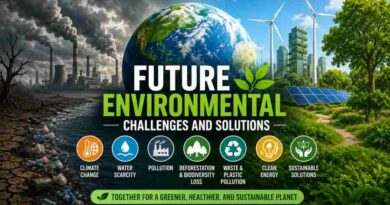
Human activities have significantly affected the environment over time. Industrialization, urbanization, deforestation, and pollution have caused serious environmental problems such as:
- Air pollution
- Water pollution
- Climate change
- Global warming
- Loss of biodiversity
Uncontrolled exploitation of natural resources has disturbed ecological balance and threatened the survival of future generations.
Environmental Protection and Conservation
Protecting the environment is essential for sustainable development. Environmental conservation involves the responsible use and protection of natural resources to prevent degradation.
Key Ways to Protect the Environment
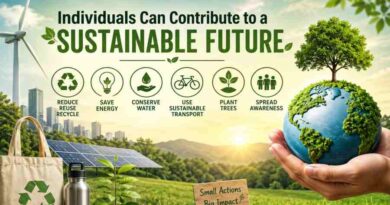
- Reduce, reuse, and recycle resources
- Use renewable energy sources
- Conserve water and electricity
- Plant trees and protect forests
- Reduce pollution and waste
- Promote environmental awareness
Government policies, international agreements, and individual efforts are all important in conserving the environment.
Environment and Sustainable Development
Sustainable development means using today’s resources wisely so that future generations can also live comfortably and meet their needs. A healthy environment is the foundation of sustainability.
Balancing economic growth with environmental protection ensures long-term development, social well-being, and ecological stability.
Environment and Our Responsibility
A healthy environment is essential not only for human survival but also for the continued existence of plants, animals, and other living organisms. Every part of nature is interconnected, and changes in one component can affect the entire ecosystem. Responsible use of natural resources, conservation of biodiversity, reduction of pollution, and sustainable practices can help maintain ecological balance. By understanding the value of the environment and adopting environmentally responsible habits, society can support healthier communities and protect natural resources for future generations.
Summary
The environment is the life-support system of Earth. It includes everything around us that affects living organisms directly or indirectly. Understanding what is environment, its meaning, definition, and importance helps us realize our responsibility toward nature. Protecting the environment is not only a duty but a necessity for survival, health, and sustainable development. A clean and balanced environment ensures a better future for humanity and all living beings.
Also Check: Environment