Importance of Environment in Human Life, Why the Environment is essential for Human Survival?
Discover the importance of environment in human life, how it supports health, resources, culture and why protecting nature is vital for our future.
Importance of Environment in Human Life
The environment plays a fundamental role in shaping human life and sustaining all living beings on Earth. From the air we breathe and the water we drink to the food we eat and the shelter we build, every aspect of human existence is deeply connected to the natural environment.
The environment is not just our surroundings; it is the life-support system that makes survival possible. Understanding the importance of the environment in human life helps us realize why protecting and conserving it is a shared responsibility.
Table of Contents
Environment as the Source of Basic Needs
Human life depends on the environment for basic necessities such as air, water, food, and shelter. Plants provide oxygen through photosynthesis, which is essential for human respiration. Rivers, lakes, and groundwater supply fresh water for drinking, agriculture, and daily activities. Soil and land support the growth of crops that feed billions of people. Forests provide timber, fuel, medicines, and raw materials used in everyday life. Without a healthy environment, these essential resources would become scarce, threatening human survival.
Role of Environment in Human Health
A clean and balanced environment is crucial for maintaining good physical and mental health. Fresh air, clean water, and nutritious food reduce the risk of diseases and improve overall well-being. Natural surroundings such as forests, parks, rivers, and mountains help reduce stress, anxiety, and depression.
On the other hand, environmental pollution, air, water, and soil pollution, leads to serious health problems like respiratory diseases, infections, and chronic illnesses. Thus, protecting the environment directly protects human health.
Environment and Economic Development
The environment is the backbone of economic activities. Agriculture, fishing, forestry, mining, tourism, and many industries depend heavily on natural resources. Fertile land supports farming, oceans provide fish and seafood, and forests supply raw materials for industries.
Tourism thrives in areas with clean beaches, wildlife, and scenic landscapes. When the environment is degraded, economic productivity declines, affecting livelihoods and increasing poverty. Sustainable use of environmental resources ensures long-term economic stability and growth.
Cultural and Social Importance of Environment
The environment has a deep cultural and social significance in human life. Many traditions, festivals, beliefs, and customs are closely connected to nature. Rivers, mountains, trees, and animals are often worshipped and respected in different cultures.
Natural landscapes influence art, literature, music, and lifestyle. Communities living close to nature develop knowledge systems related to farming, weather patterns, and biodiversity. Preserving the environment also means preserving cultural heritage and traditional wisdom passed down through generations.
Environment and Climate Regulation
The environment plays a key role in regulating Earth’s climate and maintaining ecological balance. Forests absorb carbon dioxide and help control global temperatures. Oceans regulate climate by absorbing heat and supporting weather systems. Wetlands prevent floods and recharge groundwater. When natural systems are disturbed due to deforestation, pollution, or excessive exploitation, climate change accelerates, leading to extreme weather events like floods, droughts, heatwaves, and cyclones. A stable environment is essential for a stable climate and safe human life.
Environment and Biodiversity
Biodiversity refers to the variety of plants, animals, and microorganisms on Earth. A healthy environment supports rich biodiversity, which is vital for ecosystem stability. Each species plays a role in maintaining natural processes such as pollination, nutrient cycling, and pest control. Loss of biodiversity weakens ecosystems and affects food security, medicine availability, and ecological balance. Protecting the environment ensures the survival of biodiversity, which ultimately supports human life.
Environmental Responsibility and Sustainable Living
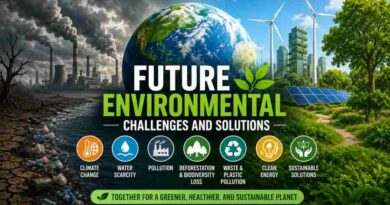
Human activities have significantly impacted the environment through pollution, deforestation, overuse of resources, and waste generation. This makes environmental responsibility more important than ever. Sustainable living means using resources wisely, reducing waste, conserving energy, and protecting natural ecosystems.
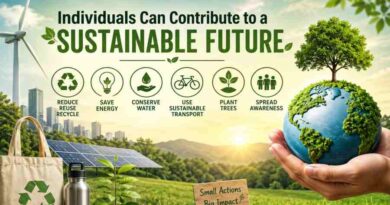
Small actions like saving water, reducing plastic use, planting trees, and supporting eco-friendly practices can make a big difference. Sustainable development focuses on meeting present needs without harming the ability of future generations to meet their own needs.
Importance of Environmental Awareness
Awareness about environmental issues helps people understand the consequences of their actions. Education plays a vital role in encouraging responsible behavior toward nature. When people are informed about environmental conservation, they are more likely to support policies and practices that protect natural resources. Environmental awareness creates a sense of responsibility and encourages collective action to safeguard the planet.
Protecting the Environment for Future Generations
Protecting the environment is essential for maintaining a healthy and balanced life on Earth. Responsible use of natural resources, reduction of pollution, conservation of forests, and protection of wildlife can help preserve ecological balance. Every individual can contribute by saving water and energy, reducing waste, planting trees, and choosing sustainable practices. Collective environmental responsibility today can create cleaner surroundings, healthier communities, and a safer planet for future generations.
Summary
The importance of the environment in human life cannot be overstated. It supports basic needs, protects health, drives economic growth, preserves culture, regulates climate, and sustains biodiversity. A healthy environment ensures a healthy and secure future for humanity. Protecting the environment is not an option but a necessity. By respecting nature and adopting sustainable practices, humans can maintain a harmonious relationship with the environment and ensure that Earth remains a livable planet for generations to come.
Also Check: Envioronment