The Role of Individuals in Protecting the Environment – Small Actions, Big Impact
Role of Individuals in Protecting the Environment explores simple actions to reduce waste, conserve resources, protect nature and build a sustainable future.
Role of Individuals in Protecting the Environment
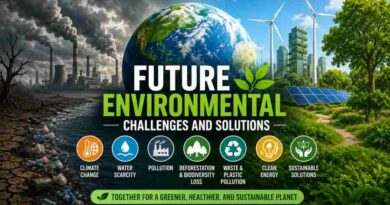
The environment is the foundation of life on Earth. It provides clean air, fresh water, food, and natural resources that support human survival. However, in recent decades, environmental problems such as pollution, deforestation, climate change, and loss of biodiversity have increased significantly. While governments and large organizations play an important role in solving these problems, individuals also have a powerful role in protecting the environment. Small actions taken by millions of people can lead to significant positive changes for the planet.
Table of Contents
Understanding Environmental Responsibility
Environmental responsibility means being aware of how our daily actions affect nature and taking steps to reduce negative impacts. Every individual uses resources such as water, electricity, food, and fuel. The way we use these resources determines how much pressure we place on the environment.
When people adopt environmentally friendly habits, they help conserve natural resources and reduce pollution. Even simple lifestyle changes can contribute to environmental protection.
Reducing Waste in Daily Life
One of the easiest ways individuals can protect the environment is by reducing waste. Modern lifestyles produce large amounts of garbage, much of which ends up in landfills or oceans. Plastic waste is particularly harmful because it takes hundreds of years to decompose.
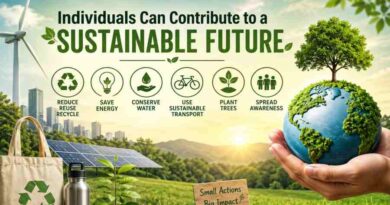
Individuals can reduce waste by avoiding single-use plastics, carrying reusable bags, and choosing products with less packaging. Reusing items such as bottles, containers, and paper also helps minimize waste. Recycling materials like paper, glass, and metal ensures that they can be used again instead of being discarded.
Practicing the principle of “Reduce, Reuse, Recycle” is an effective way for individuals to reduce their environmental footprint.
Conserving Water
Water is one of the most valuable natural resources on Earth. Despite covering most of the planet, only a small percentage of water is suitable for drinking and everyday use. Many regions around the world already face water shortages.
Individuals can conserve water by taking small steps in daily life. Turning off taps while brushing teeth, fixing leaking pipes, using water-efficient appliances, and collecting rainwater are simple yet effective methods. Responsible water use helps ensure that future generations will have access to clean water.
Saving Energy
Energy consumption has a direct impact on the environment. Most energy is produced from fossil fuels such as coal, oil, and natural gas. Burning these fuels releases harmful gases that contribute to air pollution and climate change.
Individuals can reduce energy consumption by switching off lights and electrical devices when they are not in use. Using energy-efficient appliances and LED bulbs also helps save electricity. Choosing public transport, cycling, or walking instead of using private vehicles can further reduce energy use and pollution.
When individuals conserve energy, they help reduce greenhouse gas emissions and protect the atmosphere.
Planting and Protecting Trees
Trees play a vital role in maintaining environmental balance. They absorb carbon dioxide, release oxygen, provide shelter for wildlife, and help prevent soil erosion. Unfortunately, large numbers of trees are cut down every year for development and agriculture.
Individuals can contribute by planting trees in their communities and supporting reforestation efforts. Taking care of plants, gardens, and green spaces also helps improve air quality and biodiversity. Even a small garden or a few planted trees can make a positive environmental impact.
Spreading Environmental Awareness
Another important role individuals can play is spreading awareness about environmental protection. Educating friends, family members, and communities about environmental issues encourages more people to adopt sustainable habits.
Students, teachers, and social media users can share knowledge about climate change, pollution, and conservation. Community programs, clean-up drives, and tree plantation campaigns help create a culture of environmental responsibility.
When awareness increases, people become more motivated to protect nature.
Supporting Sustainable Choices
Individuals also influence the environment through their purchasing decisions. Choosing eco-friendly products, reducing unnecessary consumption, and supporting companies that follow sustainable practices can encourage environmentally responsible production.
Buying locally produced goods reduces transportation pollution. Using durable products instead of disposable ones helps reduce waste. These choices send a strong message that consumers care about environmental protection.
Participating in Community Efforts
Community participation strengthens environmental protection efforts. Individuals can join local environmental groups, participate in clean-up activities, and support conservation programs. Working together allows communities to address environmental challenges more effectively.
Community gardens, recycling programs, and tree-planting events are examples of collective actions that individuals can support. When people collaborate, they create stronger and more sustainable environmental solutions.
Building a Sustainable Future Through Individual Action
Individual responsibility is essential for creating a healthier and more sustainable environment. Every choice, from reducing household waste to conserving water, saving energy, using public transportation, and supporting eco-friendly products, can help lower pressure on natural resources. When these responsible habits become part of everyday life, they can inspire others to act as well. Collective individual efforts can create lasting environmental benefits and help build a cleaner, greener planet for future generations.
Summary
Protecting the environment is not only the responsibility of governments and organizations; it is also the duty of every individual. Our daily actions, habits, and choices directly affect the health of the planet. By reducing waste, conserving water and energy, planting trees, spreading awareness, and making sustainable choices, individuals can make a meaningful contribution to environmental protection.
Although one person’s actions may seem small, when millions of people act responsibly, the combined impact becomes powerful. A cleaner, greener, and healthier environment can only be achieved when individuals take responsibility and work together to protect the Earth for present and future generations.
Also Check: Environment