
Sustainable Development – Concept, Importance and Global Goals for a Better Future
Sustainable Development balances economic growth, social well-being and environmental protection to create a healthier and more sustainable future for everyone.
Sustainable Development
Sustainable development is one of the most important ideas in today’s world. As the global population grows and natural resources become limited, it is essential to find ways to meet human needs without harming the environment. Sustainable development provides a balanced approach to growth by ensuring that economic progress, social well-being, and environmental protection go hand in hand.
Table of Contents
What is Sustainable Development?
It refers to development that meets the needs of the present without compromising the ability of future generations to meet their own needs. This concept was popularized in 1987 through the Brundtland Report, which highlighted the urgent need for a new approach to development.
In simple terms, it means using resources wisely so that they are available not only today but also for the future. It focuses on maintaining a balance between human activities and nature.
Key Components of Sustainable Development
This development is based on three main pillars:
1. Economic Sustainability
Economic sustainability focuses on promoting growth without causing harm to the environment. It encourages efficient use of resources, innovation, and long-term economic stability. Businesses are encouraged to adopt eco-friendly practices and reduce waste.
2. Social Sustainability
Social sustainability ensures equality, justice, and improved quality of life for all people. It includes access to education, healthcare, clean water, and employment opportunities. It aims to reduce poverty and promote human well-being.
3. Environmental Sustainability
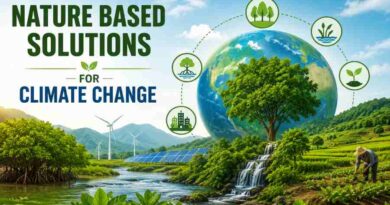
Environmental sustainability is about protecting natural resources such as air, water, forests, and wildlife. It encourages reducing pollution, conserving biodiversity, and using renewable resources.
Importance of Sustainable Development
Sustainable development is essential for several reasons:
- Protects Natural Resources: It ensures that resources like water, forests, and minerals are used carefully.
- Reduces Pollution: Promotes cleaner technologies and reduces harmful emissions.
- Supports Economic Growth: Encourages long-term economic stability rather than short-term gains.
- Improves Quality of Life: Ensures access to basic needs and a healthy environment.
- Combats Climate Change: Helps reduce global warming by promoting renewable energy and reducing carbon emissions.
Without sustainable development, future generations may face severe shortages of essential resources and environmental crises.
Goals of Sustainable Development
To achieve a better and more sustainable future, the United Nations introduced the Sustainable Development Goals (SDGs) in 2015. There are 17 global goals aimed at addressing major challenges faced by the world.
Some of the key goals include:
1. No Poverty
Eradicating poverty in all its forms everywhere is the first goal. It ensures equal access to resources and opportunities.
2. Zero Hunger
This goal focuses on ending hunger, achieving food security, and improving nutrition.
3. Good Health and Well-being
Ensures healthy lives and promotes well-being for people of all ages.
4. Quality Education
Promotes inclusive and equitable education and lifelong learning opportunities.
5. Gender Equality
Achieves gender equality and empowers women and girls.
6. Clean Water and Sanitation
Ensures availability and sustainable management of water and sanitation.
7. Affordable and Clean Energy
Promotes access to reliable and renewable energy sources.
8. Decent Work and Economic Growth
Encourages sustained economic growth and productive employment.
9. Industry, Innovation, and Infrastructure
Builds resilient infrastructure and promotes sustainable industrialization.
10. Reduced Inequalities
Reduces inequalities within and among countries.
11. Sustainable Cities and Communities
Makes cities safe, inclusive and environmentally friendly.
12. Responsible Consumption and Production
Encourages efficient use of resources and reduction of waste.
13. Climate Action
Takes urgent action to combat climate change and its impacts.
14. Life Below Water
Conserves oceans, seas, and marine resources.
15. Life on Land
Protects forests, wildlife, and ecosystems.
16. Peace, Justice, and Strong Institutions
Promotes peaceful societies and effective institutions.
17. Partnerships for the Goals
Strengthens global partnerships to achieve this development.
Examples of Sustainable Development
This development can be seen in everyday life:
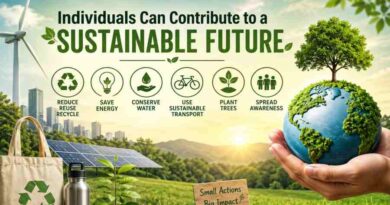
- Using solar and wind energy instead of fossil fuels
- Recycling and reducing waste
- Conserving water and electricity
- Promoting public transport and reducing vehicle use
- Planting trees and protecting forests
These small actions collectively contribute to a sustainable future.
Challenges to Sustainable Development
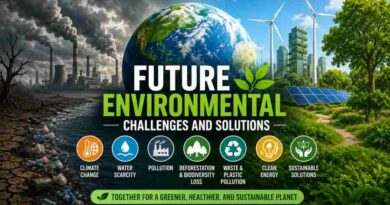
Despite its importance, achieving this development is not easy. Some challenges include:
- Overpopulation
- Excessive use of natural resources
- Pollution and climate change
- Lack of awareness
- Economic inequality
Addressing these challenges requires cooperation between governments, businesses, and individuals.
Building a Better Future Through Sustainable Development
Sustainable develop ment offers a practical path toward a future where people can enjoy economic opportunities while protecting the planet’s natural resources. By encouraging responsible consumption, social equality, clean energy, conservation, and international cooperation, it addresses both present needs and future challenges. Governments, organizations, communities, and individuals all have an important role in turning sustainable principles into meaningful everyday actions.
Summary
This development is not just an option, it is a necessity for the survival of our planet. It provides a roadmap for balancing economic growth, social progress, and environmental protection. By adopting sustainable practices and supporting global goals, we can create a healthier, safer, and more prosperous world for present and future generations.
Every individual has a role to play. Even small actions, when multiplied across millions of people, can make a big difference. The future of the Earth depends on how responsibly we act today.
Also Check: Environment