Industrial Pollution and Control Measures – Causes, Effects and Sustainable Solutions
Learn about Industrial Pollution and Control Measures, its causes, effects and practical solutions to protect the environment and ensure sustainability.
Industrial Pollution and Control Measures
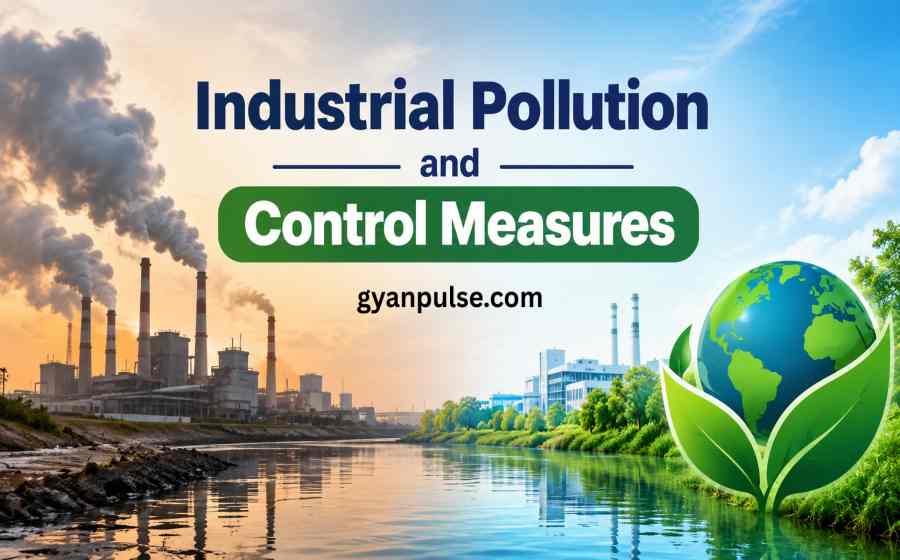
Industrialization has played a crucial role in the economic growth and development of nations. However, this rapid expansion of industries has also led to a significant increase in environmental problems, particularly industrial pollution. Industrial pollution refers to the contamination of air, water, and land due to harmful emissions and waste produced by factories and manufacturing units. It is one of the leading causes of environmental degradation and poses serious threats to human health and ecosystems.
Table of Contents
What is Industrial Pollution?
Industrial pollution occurs when industries release harmful substances such as chemicals, gases, and waste materials into the environment. These pollutants can enter the air, water bodies, and soil, leading to long-term damage. Industries such as chemical manufacturing, mining, power generation, and textile production are among the major contributors to this problem.
Causes of Industrial Pollution
1. Burning of Fossil Fuels
Industries rely heavily on fossil fuels like coal, oil, and natural gas for energy. Burning these fuels releases harmful gases such as carbon dioxide, sulfur dioxide, and nitrogen oxides into the atmosphere, contributing to air pollution and climate change.
2. Improper Waste Disposal
Many industries dispose of untreated or partially treated waste into rivers, lakes, and oceans. This leads to water pollution and harms aquatic life.
3. Chemical Emissions
Industrial processes often involve the use of toxic chemicals. When released into the environment, these chemicals can contaminate air and soil, making them unsafe for living organisms.
4. Lack of Regulation Enforcement
In many regions, environmental laws exist but are not strictly enforced. This allows industries to continue harmful practices without facing consequences.
5. Rapid Industrial Growth
The increasing demand for goods has led to rapid industrial expansion, often without considering environmental sustainability.
Effects of Industrial Pollution
1. Air Pollution
Industrial emissions release harmful gases and particulate matter into the air, causing respiratory diseases such as asthma and bronchitis.
2. Water Pollution
Toxic industrial waste contaminates water bodies, making water unsafe for drinking and agriculture. It also leads to the death of aquatic organisms.
3. Soil Degradation
Chemicals and heavy metals released by industries reduce soil fertility, affecting agricultural productivity.
4. Health Problems
Exposure to industrial pollutants can cause serious health issues, including cancer, skin diseases, and neurological disorders.
5. Climate Change
Greenhouse gas emissions from industries contribute to global warming, leading to extreme weather conditions and rising sea levels.
Control Measures for Industrial Pollution
To reduce the harmful effects of industrial pollution, several control measures can be implemented:
1. Adoption of Cleaner Technologies
Industries should shift to eco-friendly technologies that produce fewer emissions. For example, using renewable energy sources like solar and wind can significantly reduce pollution.
2. Waste Treatment and Recycling
Proper treatment of industrial waste before disposal is essential. Recycling materials can also reduce the amount of waste generated.
3. Installation of Pollution Control Devices
Devices such as scrubbers, filters, and electrostatic precipitators can help remove harmful pollutants from emissions before they are released into the environment.
4. Strict Government Regulations
Governments must enforce environmental laws strictly and impose penalties on industries that violate pollution norms.
5. Energy Efficiency
Improving energy efficiency in industrial processes can reduce the consumption of fossil fuels and lower emissions.
6. Public Awareness and Responsibility
Industries should be made aware of their environmental responsibilities. Public pressure and awareness can also encourage industries to adopt sustainable practices.
7. Green Belt Development
Planting trees around industrial areas can help absorb pollutants and improve air quality.
Role of Sustainable Development
Sustainable development plays a vital role in controlling industrial pollution. It focuses on meeting present needs without compromising the ability of future generations to meet their own needs. Industries must adopt sustainable practices such as reducing waste, conserving resources, and minimizing emissions.
Importance of Controlling Industrial Pollution
Controlling industrial pollution is essential for protecting human health, natural resources, and ecological balance. Industries can reduce their environmental impact by adopting cleaner technologies, treating waste properly, improving energy efficiency, and following environmental regulations. Sustainable industrial practices not only minimize pollution but also conserve valuable resources and support long-term economic development. Effective cooperation among industries, governments, and communities can help build a cleaner, safer, and more sustainable future.
Summary
Industrial pollution is a major environmental challenge that requires immediate attention. While industrialization is necessary for economic growth, it should not come at the cost of environmental destruction. By adopting cleaner technologies, enforcing strict regulations, and promoting sustainable practices, it is possible to reduce industrial pollution significantly. Protecting the environment is a shared responsibility. Governments, industries, and individuals must work together to create a cleaner and healthier world for future generations.
Also Check: Environment