Plastic Pollution – Causes, Impacts and Practical Solutions for a Cleaner Future
Plastic Pollution is a growing environmental threat. Learn its causes, harmful effects and practical solutions to reduce plastic waste and protect our planet.
Plastic Pollution
Plastic pollution has emerged as one of the most pressing environmental challenges of the 21st century. With the rapid growth of industrialization and consumerism, plastic has become an integral part of daily life. From packaging materials to household items, its convenience and durability have made it widely popular. However, these same qualities have turned plastic into a major environmental threat, as it does not decompose easily and accumulates in the environment over time.
Table of Contents
What is Plastic Pollution?
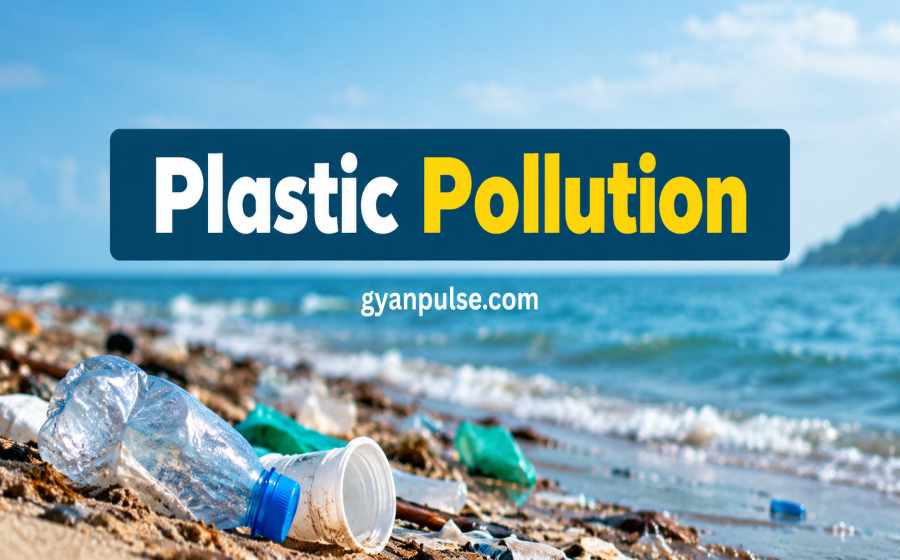
Plastic pollution refers to the accumulation of plastic waste in the environment, adversely affecting land, water bodies, and living organisms. Unlike organic waste, plastics can take hundreds to thousands of years to degrade, leading to long-term environmental damage. Single-use plastics such as bags, bottles, straws, and wrappers are among the biggest contributors to this problem.
Major Problems Caused by Plastic Pollution
1. Environmental Degradation
Plastic waste is found everywhere, from urban streets to remote forests and oceans. It disrupts natural ecosystems by polluting soil and water. When plastics break down into microplastics, they contaminate the soil, affecting plant growth and agricultural productivity.
2. Marine Life Threat
One of the most visible impacts of plastic pollution is in oceans and rivers. Marine animals often mistake plastic for food, leading to ingestion and sometimes death. Turtles, fish, seabirds, and whales are particularly vulnerable. Entanglement in plastic waste also causes injury or suffocation.
3. Human Health Risks
Microplastics have entered the food chain through contaminated water and food sources. Studies suggest that these particles can pose potential health risks, including hormonal imbalances and other long-term health issues, although research is still ongoing.
4. Air Pollution
Burning plastic waste releases toxic gases such as dioxins and furans into the atmosphere. These pollutants contribute to air pollution and can cause respiratory problems, skin irritation, and other health concerns.
5. Drainage Blockage and Flooding
Improper disposal of plastic waste often leads to clogged drainage systems, especially in urban areas. This can result in waterlogging and flooding during heavy rains, causing damage to infrastructure and posing health risks.
Causes of Plastic Pollution
1. Overuse of Single-Use Plastics
Items like plastic bags, packaging materials, and disposable cutlery are used for a short time but remain in the environment for decades.
2. Poor Waste Management
In many regions, waste collection and recycling systems are inadequate. This leads to plastic waste being dumped in open areas, rivers, or landfills.
3. Lack of Awareness
Many people are unaware of the long-term environmental consequences of plastic use. This results in careless disposal and overconsumption.
4. Industrial Growth
Rapid industrialization has increased the production of plastic goods without proper planning for waste management and recycling.
Effective Solutions to Plastic Pollution
1. Reduce, Reuse, Recycle
The most effective way to combat plastic pollution is by following the 3Rs:
- Reduce: Minimize the use of plastic products, especially single-use items.
- Reuse: Opt for reusable alternatives like cloth bags, metal bottles, and glass containers.
- Recycle: Ensure proper segregation and recycling of plastic waste.
2. Government Regulations
Governments play a crucial role by implementing strict policies such as banning single-use plastics, promoting eco-friendly alternatives, and improving waste management systems.
3. Use of Biodegradable Alternatives
Switching to biodegradable materials like paper, jute, bamboo, and plant-based plastics can significantly reduce environmental impact.
4. Public Awareness Campaigns
Educating people about the harmful effects of plastic pollution is essential. Awareness programs in schools, communities, and media can encourage responsible behavior.
5. Corporate Responsibility
Industries and companies must adopt sustainable practices, reduce plastic packaging, and invest in eco-friendly innovations. Extended Producer Responsibility (EPR) policies can hold manufacturers accountable for waste management.
6. Community Participation
Local communities can organize clean-up drives, promote recycling initiatives, and support eco-friendly practices to reduce plastic waste at the grassroots level.
Role of Individuals
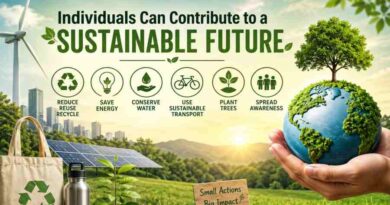
Every individual has a role to play in reducing plastic pollution. Simple actions such as carrying reusable bags, avoiding plastic straws, and properly disposing of waste can make a significant difference. Choosing products with minimal packaging and supporting sustainable brands also contributes to the solution.
Building a Plastic-Free Future
Reducing plastic pollution requires consistent efforts from individuals, communities, businesses, and governments. By choosing reusable products, improving waste segregation, supporting recycling, and encouraging sustainable alternatives, society can reduce its dependence on harmful plastics. Greater environmental awareness and responsible consumption can also help protect wildlife, prevent pollution, and create a cleaner, healthier, and more sustainable future for generations to come.
Summary
Plastic pollution is a global crisis that requires immediate and collective action. While the problem is severe, it is not irreversible. Through conscious efforts by individuals, strong government policies, and responsible industrial practices, we can significantly reduce plastic waste and protect our environment. A cleaner, healthier planet is possible if we act today with awareness and responsibility.
Also Check: Environment