
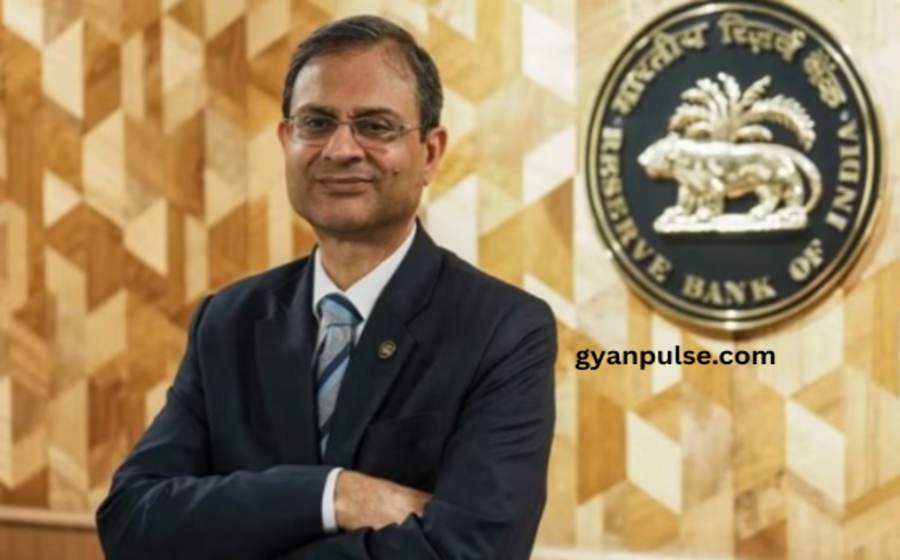
RBI Introduces Unified Interface to Tokenize Assets
RBI Introduces Unified Interface to Tokenize Assets using blockchain, CBDC and digital payment innovations to boost transparency and inclusion.
RBI Introduces Unified Interface to Tokenize Assets
The Reserve Bank of India (RBI) has launched the Unified Markets Interface (UMI), a new platform designed to turn physical assets into digital tokens. Introduced in 2025 by RBI Governor Sanjay Malhotra, UMI uses blockchain technology and wholesale Central Bank Digital Currency (CBDC) to digitize real-world assets. This innovation aims to make financial markets faster, more transparent, and easier to access for everyone.
Table of Contents
UMI and Asset Tokenisation
UMI allows physical assets to be converted into digital tokens on a blockchain. This creates fractional ownership, so even small parts of an asset can be traded globally.
Tokenisation speeds up transactions through smart contracts and opens markets to more participants. Early tests of UMI have already shown improvements in market efficiency.
The Role of Wholesale Central Bank Digital Currency (CBDC)
The Unified Markets Interface (UMI) uses wholesale CBDC to settle asset transactions. Wholesale CBDC is digital central bank money meant for financial institutions. Its use in UMI makes transactions more secure, faster, and transparent, while reducing the need for traditional intermediaries and lowering costs.
Account Aggregator Framework and Its Role in Financial Inclusion
RBI’s Account Aggregator (AA) framework helps integrate financial data to promote greater inclusion. It lets individuals securely share their financial information with regulated entities through Financial Information Providers (FIPs) and Financial Information Users (FIUs).
Currently, 17 AAs manage 160 million accounts and handle billions of data requests every year. RBI plans to improve onboarding, user experience, data security, and consent transparency within the AA system.
RBI Introduces New Digital Payment Products
RBI has introduced four new digital payment products to work alongside the UMI and AA frameworks:
- UPI HELP – An AI-powered assistant that answers transaction queries in English, with plans to support more languages soon.
- IoT Payments with UPI – Enables smooth payments directly from connected devices.
- Banking Connect – Provides an interoperable net banking solution to make online transactions easier.
- UPI Reserve Pay – Lets users block credit limits for repeat purchases, improving e-commerce and app payments.
Future Outlook: Opportunities and Risks
The success of UMI and the Account Aggregator framework relies on combining diverse financial data and making systems work seamlessly together.
Expanding data sources to better assess individual financial health is a key focus. These initiatives aim to build a strong digital infrastructure that supports inclusive, efficient, and accessible financial markets in India.
Enhancing Market Transparency and Investor Confidence
The Unified Markets Interface and digital payment innovations by RBI are expected to boost transparency in financial markets. By recording transactions on blockchain and integrating data through the AA framework, investors gain real-time insights into asset ownership and liquidity.
This clarity can strengthen investor confidence, reduce fraud risks, and encourage broader participation, including from retail and global investors, ultimately supporting the development of a more resilient and trustworthy financial ecosystem in India.
Promoting Technological Innovation in Finance
RBI’s initiatives create a foundation for technological advancement in India’s financial sector. Leveraging blockchain, AI-powered assistants, and IoT-enabled payments encourages fintech companies and banks to innovate rapidly.
These frameworks enable experimentation with new business models, smart contracts, and automated settlements, fostering a competitive environment. Over time, such innovation can enhance efficiency, reduce costs, and expand access to financial services, paving the way for a modern, inclusive, and digitally empowered economy.
Impact of RBI’s Unified Markets Interface on India’s Digital Economy
The launch of the Unified Markets Interface (UMI) marks a transformative step in India’s financial sector by enabling secure asset tokenisation and faster digital transactions through blockchain and wholesale CBDC. Combined with the Account Aggregator framework and innovative UPI-based payment solutions, RBI’s initiative aims to improve financial inclusion, transparency, and accessibility across markets. These advancements can encourage wider investor participation, strengthen trust in digital finance, and accelerate technological innovation, helping India build a modern and globally competitive financial ecosystem.
Summary
RBI’s introduction of the Unified Markets Interface (UMI) represents a major advancement in India’s digital financial infrastructure. By combining blockchain technology, wholesale CBDC, the Account Aggregator framework, and new UPI-based payment solutions, RBI aims to create faster, safer, and more transparent financial markets. These initiatives are expected to improve financial inclusion, support innovation, reduce transaction costs, and strengthen investor confidence, contributing to the growth of a digitally empowered economy in India.
Also Check: Current Affairs