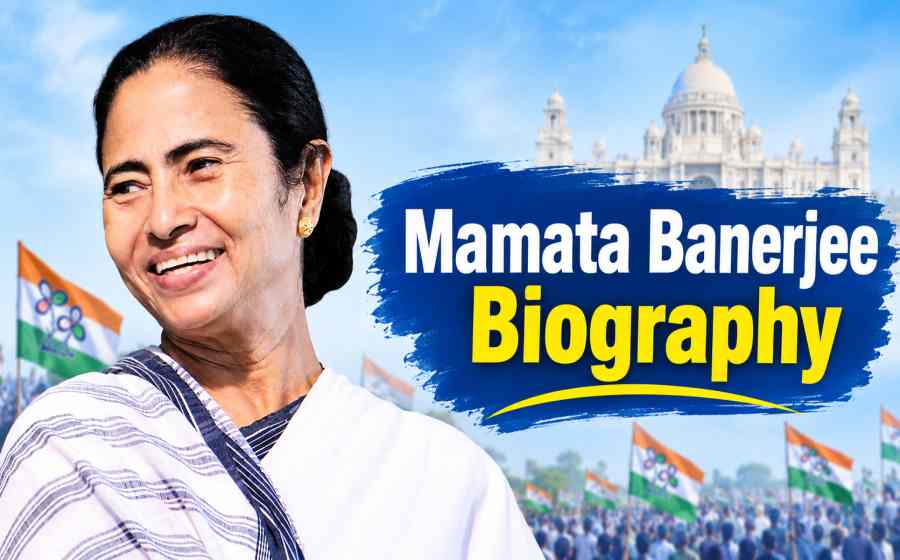
Mamata Banerjee Biography – The Inspiring Journey of West Bengal’s First Woman Chief Minister
Read Mamata Banerjee Biography to explore her early life, political journey, achievements, leadership, family background and inspiring success story.
Mamata Banerjee Biography
Mamata Banerjee is one of India’s most prominent women politicians, known for her determined leadership, simple lifestyle and decades-long contribution to Indian politics. Popularly known as Didi, she has played an important role in shaping the political landscape of West Bengal. From beginning her political journey at a young age to becoming the first woman Chief Minister of West Bengal, her life reflects determination, courage and strong political ambition.
She founded the All India Trinamool Congress (TMC) and became a major political force in Indian politics. Her journey from a modest family in Kolkata to one of India’s most recognised political leaders is an inspiring story of perseverance.
Table of Contents
Early Life and Education
Mamata Banerjee was born on 5 January 1955 in Kolkata, West Bengal, into a middle-class Bengali family. Her father, Promileswar Banerjee, and mother, Gayatri Devi, played important roles in her upbringing.
She faced financial difficulties during her childhood, but these challenges did not stop her from pursuing education. She completed her schooling in Kolkata and later studied at Jogamaya Devi College, where she earned a degree in History.
She also obtained a master’s degree in Islamic History from the University of Calcutta. Additionally, she studied education and law, developing an academic background that supported her interest in public life and politics.
Beginning of Her Political Career
Mamata Banerjee entered politics at a young age and became associated with the Indian National Congress. She gained national attention in 1984 when she defeated veteran Communist leader Somnath Chatterjee in the Jadavpur Lok Sabha constituency.
This victory established her as an emerging political leader. Over the following years, she became known for her energetic campaigning and strong opposition to the Left Front government in West Bengal.
She served in the Union government and held important ministerial responsibilities, including the Railway Ministry.
Formation of the Trinamool Congress
In 1998, Mamata Banerjee founded the All India Trinamool Congress after separating from the Indian National Congress. Her primary objective was to challenge the long-standing rule of the Left Front in West Bengal.
She organised protests and political movements, gradually building support among different sections of society. Her party became particularly influential through its opposition to land acquisition policies in Singur and Nandigram.
These movements strengthened her popularity and helped her establish a powerful political identity in the state.
Becoming the First Woman Chief Minister of West Bengal
A major turning point in Mamata Banerjee’s career came in 2011 when the Trinamool Congress defeated the Left Front, ending its 34-year rule in West Bengal.
On 20 May 2011, she became the first woman Chief Minister of West Bengal. Her victory marked a historic change in the state’s political history.
She subsequently led her party to victories in the 2016 and 2021 West Bengal Assembly elections, continuing her tenure as Chief Minister.
Her government introduced several welfare programmes, including Kanyashree, which supports girls’ education and aims to prevent early marriage. Other initiatives, such as Sabooj Sathi, Swasthya Sathi and Lakshmir Bhandar, have also become important parts of her government’s welfare agenda.
Political Achievements and Contributions
During her political career, Mamata Banerjee held several important positions in the Union government. She served as Minister of State for Human Resource Development, Youth Affairs and Sports, and Women and Child Development. She also served as Union Railway Minister twice.
As Railway Minister, she introduced initiatives aimed at improving railway connectivity and passenger facilities. Her political career has also been marked by her focus on women’s empowerment, education, healthcare and social welfare.
Some of the major initiatives associated with her government include:
- Kanyashree Prakalpa: Financial assistance to encourage girls to continue their education.
- Sabooj Sathi: Distribution of bicycles to school students.
- Swasthya Sathi: A health coverage scheme for eligible families.
- Lakshmir Bhandar: Financial assistance for eligible women.
Kanyashree received international recognition and won the United Nations Public Service Award in 2017.
Personal Life and Interests
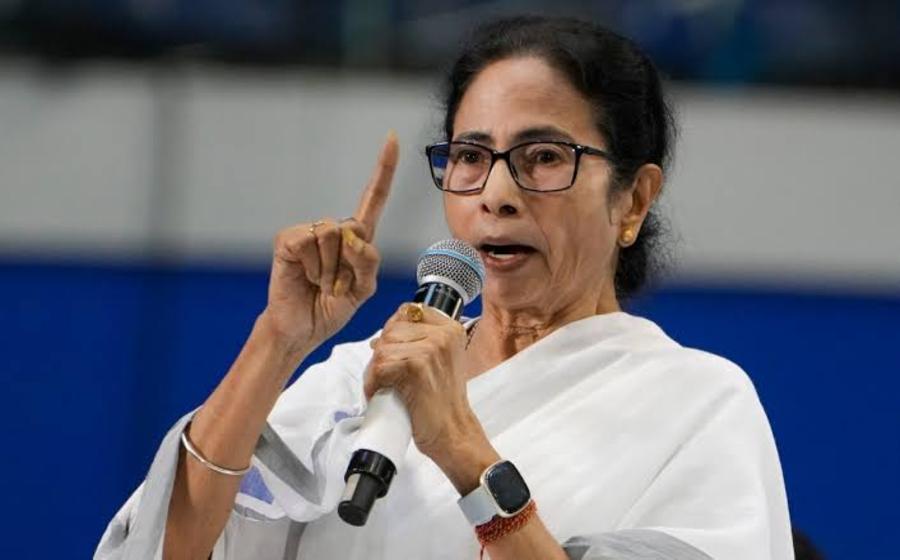
Mamata Banerjee is unmarried and has dedicated much of her life to public service and politics. She is known for her simple lifestyle and preference for wearing traditional white cotton sarees and rubber slippers.
Apart from politics, she has interests in writing, poetry, painting and literature. She has written several books in Bengali and English, reflecting her thoughts on politics, society and everyday life.
Her straightforward personality and energetic political style have made her a distinctive figure in Indian public life.
Mamata Banerjee’s Political Journey and Legacy
Mamata Banerjee’s political journey has included historic victories, major public movements and significant electoral challenges. Her leadership ended the Left Front’s 34-year rule in West Bengal in 2011, making her a central figure in the state’s modern political history.
However, her political career also faced a major setback in the 2026 West Bengal Assembly elections, when the BJP defeated the Trinamool Congress and ended its 15-year rule in the state. The election result marked a significant turning point in her political journey.
Despite political controversies and challenges, Mamata Banerjee remains an important personality in Indian politics. Her long career demonstrates how grassroots organisation, public movements and political determination can transform an individual’s role in society.
5 Inspirational Lessons from Mamata Banerjee’s Life
- Never Give Up: Her journey shows that setbacks and difficulties should not stop someone from pursuing their goals.
- Believe in Yourself: She built her own political party and established an independent identity in Indian politics.
- Work Hard for Your Goals: Her decades of political involvement demonstrate the importance of consistent effort.
- Stand Up for Your Beliefs: She became widely known for leading public protests and challenging established political powers.
- Empower Others: Her political initiatives, particularly those supporting girls’ education and women’s welfare, highlight the importance of creating opportunities for others.
Summary
Mamata Banerjee’s biography is the story of a determined woman who rose from a modest background to become one of India’s most recognised political leaders. As the founder of the Trinamool Congress and West Bengal’s first woman Chief Minister, she made a lasting impact on the state’s political history. Her achievements, struggles, leadership and commitment to public life make her an important personality to study in modern Indian history.
Also Check: Biography