Angola – History, Culture, Sports and Fascinating Facts About the African Nation
Discover Angola’s history, culture, sports, geography, economy and key facts. Learn about this vibrant African nation, its traditions and famous attractions.
Angola
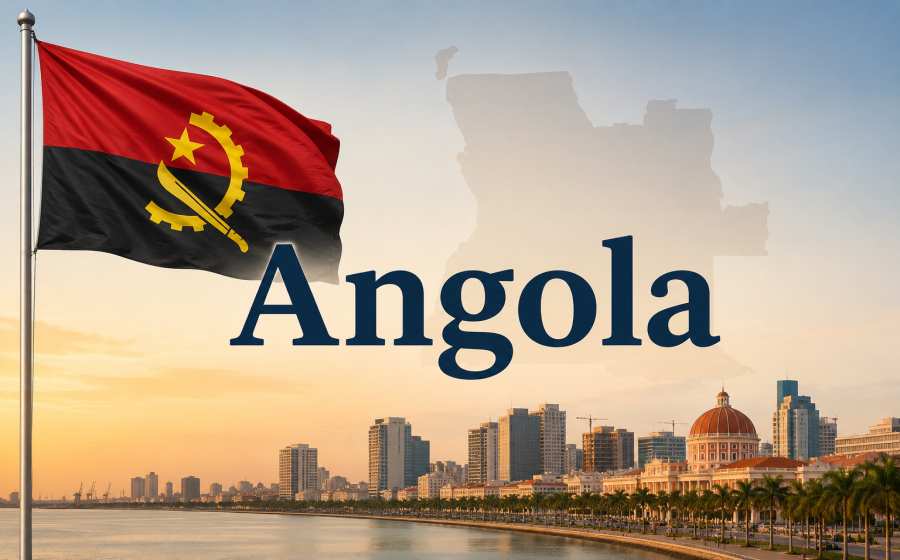
Angola is a fascinating country located on the southwestern coast of Africa. Known for its rich natural resources, diverse cultural heritage, beautiful landscapes, and resilient people, Angola has emerged as an important nation in Africa. From its long history and vibrant traditions to its growing economy and sporting achievements, Angola offers much to explore and understand.
Table of Contents
Introduction to Angola
Angola is bordered by the Democratic Republic of the Congo to the north, Zambia to the east, Namibia to the south, and the Atlantic Ocean to the west. The country covers an area of approximately 1.24 million square kilometers, making it one of Africa’s largest nations.
The capital city of Angola is Luanda, which is also the country’s largest city and economic center. Portuguese is the official language, reflecting the country’s colonial past. Angola has a population of over 35 million people and is home to numerous ethnic groups, each contributing to the nation’s cultural diversity.
Historical Background
The history of Angola dates back thousands of years when indigenous communities inhabited the region. Several powerful African kingdoms flourished in the area, including the Kingdom of Kongo and the Kingdom of Ndongo.
In the late 15th century, Portuguese explorers arrived along Angola’s coast. Portugal gradually established control over the region, and Angola became an important center in the transatlantic slave trade. Millions of Africans were forcibly transported from Angola to the Americas during this period.
In the 20th century, nationalist movements began demanding independence from Portuguese rule. After years of struggle, Angola gained independence on November 11, 1975. However, the country soon experienced a devastating civil war that lasted until 2002. Since then, Angola has focused on rebuilding its infrastructure, economy, and social institutions.
Geography and Climate
Angola features a diverse landscape that includes:
- Coastal plains along the Atlantic Ocean
- Tropical rainforests in the north
- High plateaus in central regions
- Savannah grasslands
- Desert areas in the south
The country’s climate varies according to region. Coastal areas are generally warm and dry, while northern regions receive more rainfall. The central highlands enjoy relatively moderate temperatures throughout the year.
Angola is also rich in natural resources, including oil, diamonds, gold, iron ore, and other minerals. These resources play a major role in the country’s economy.
Culture and Traditions
Angolan culture reflects a blend of African traditions and Portuguese influences. Music, dance, storytelling, and community celebrations are central aspects of everyday life.
Music and Dance
Music is deeply embedded in Angolan society. Popular traditional and modern music styles include:
- Semba
- Kizomba
- Kuduro
- Rebita
Semba is considered one of Angola’s most important traditional music genres and is believed to have influenced the development of Brazilian samba.
Dance plays a significant role during festivals, weddings, and cultural ceremonies. Many dances tell stories or celebrate important community events.
Traditional Clothing
Traditional attire varies among ethnic groups. Bright colors, patterned fabrics, and handcrafted accessories are common. Although modern clothing is widely worn, traditional outfits remain important during ceremonies and festivals.
Languages
Besides Portuguese, many indigenous languages are spoken throughout Angola, including:
- Umbundu
- Kimbundu
- Kikongo
- Chokwe
These languages help preserve the country’s cultural identity and heritage.
Angolan Cuisine
Angolan food is flavorful and heavily influenced by local ingredients and Portuguese culinary traditions.
Popular dishes include:
Funge
A staple food made from cassava flour or corn flour, often served with sauces and stews.
Moamba de Galinha
A traditional chicken stew cooked with palm oil, garlic, vegetables, and spices.
Calulu
A dish made with fish or meat, vegetables, and seasonings.
Grilled Seafood
Due to Angola’s long coastline, fish and seafood are common components of local cuisine.
Fresh fruits such as mangoes, bananas, papayas, and pineapples are also widely enjoyed.
Sports in Angola
Sports play an important role in Angolan society, bringing communities together and promoting national pride.
Football (Soccer)
Football is the most popular sport in Angola. The national football team, known as the Palancas Negras, has represented the country in international competitions and participated in the FIFA World Cup in 2006. Local football leagues continue to develop young talent and attract enthusiastic supporters.
Basketball
Basketball is another highly successful sport in Angola. The country has won multiple African championships and is considered one of Africa’s basketball powerhouses.
The Angolan national basketball team has consistently performed well in continental tournaments and represented Africa at various international competitions.
Athletics and Other Sports
Other popular sports include:
- Handball
- Volleyball
- Athletics
- Martial arts
Government programs and sports organizations continue working to improve facilities and encourage youth participation.
Economy of Angola
Angola possesses one of Africa’s largest reserves of oil and diamonds. The petroleum industry contributes significantly to government revenue and exports.
Major sectors of the economy include:
- Oil and gas
- Mining
- Agriculture
- Fisheries
- Construction
In recent years, Angola has sought to diversify its economy by investing in agriculture, manufacturing, tourism, and renewable energy projects.
Despite its natural wealth, the country continues addressing challenges such as poverty, unemployment, and economic inequality.
Tourism and Attractions
Angola offers a variety of natural and cultural attractions for visitors.
Kalandula Falls
One of Africa’s largest waterfalls, Kalandula Falls is known for its breathtaking beauty and powerful water flow.
Kissama National Park
This wildlife reserve is home to elephants, antelopes, giraffes, and numerous bird species.
Tundavala Gap
Located in the highlands, this dramatic cliff provides spectacular panoramic views of the surrounding landscape.
Luanda
The capital city features museums, historic architecture, beaches, and vibrant markets that showcase Angola’s cultural richness.
As tourism infrastructure improves, Angola is becoming an increasingly attractive destination for international travelers.
Key Facts About Angola
- Official Name: Republic of Angola
- Capital City: Luanda
- Official Language: Portuguese
- Currency: Angolan Kwanza (AOA)
- Independence Day: November 11, 1975
- Population: Over 35 million
- Area: Approximately 1.24 million square kilometers
- Major Exports: Oil, diamonds, natural gas, and minerals
- Highest Point: Mount Moco
- National Sport Popularity: Football and basketball
Summary
Angola is a nation of remarkable resilience, cultural richness, and natural beauty. Its history reflects both challenges and triumphs, while its diverse traditions continue to shape a unique national identity. From the rhythms of semba music and flavorful cuisine to successful sports teams and stunning landscapes, Angola offers countless reasons to be admired. As the country continues to develop and diversify its economy, it remains an important and influential nation on the African continent.
Also Check: General Knowledge