Maldives – History, Culture, Tourist Places and Key Facts About the Island Nation
Discover Maldives history, culture, sports, geography, traditions, economy and fascinating facts about this beautiful Indian Ocean island nation.
Maldives
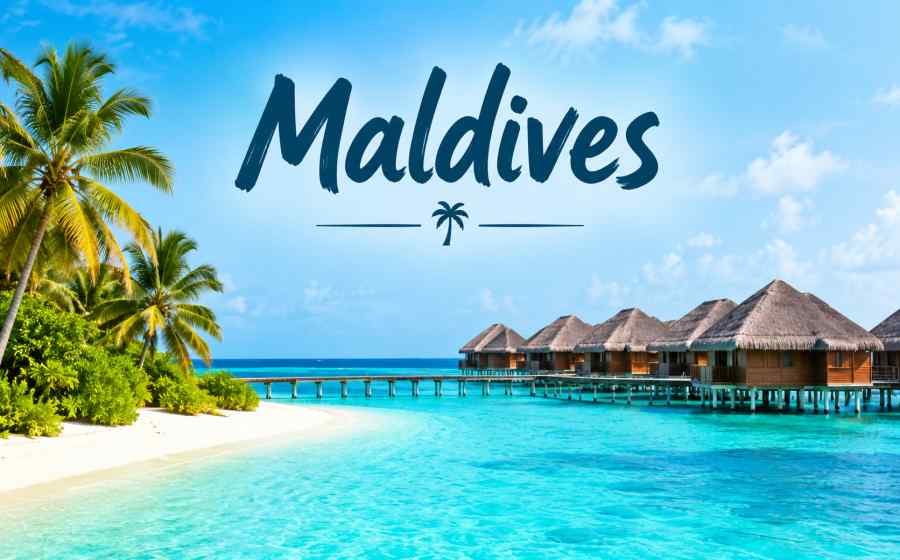
The Maldives is a beautiful island nation in the Indian Ocean, famous for its turquoise lagoons, coral reefs, white sandy beaches and distinctive island culture. Located southwest of Sri Lanka and India, the country consists of a vast chain of small coral islands grouped into atolls. Although the Maldives is internationally known as a luxury tourism destination, its history, traditions, maritime heritage and sporting culture make it an interesting subject for General Knowledge.
The country has 1,192 islands arranged in 26 natural atolls, stretching for about 871 kilometres. Only a relatively small number of the islands are inhabited, while others are used for tourism, agriculture or other purposes.
Table of Contents
History of Maldives
The history of the Maldives goes back more than 2,500 years. Because of its position along important Indian Ocean trading routes, the islands experienced contact with traders and settlers from different parts of South Asia, Arabia and other regions. These interactions contributed to the development of Maldivian society, language and culture.
Buddhism was an important part of Maldivian history before Islam became dominant. In 1153 CE, the Maldives converted to Islam, an event that had a lasting influence on its society, traditions and political development. Islamic customs continue to play an important role in everyday life in the country.
For centuries, the islands were ruled by sultans. Their strategic location in the Indian Ocean also attracted the attention of European powers. The Maldives later became a British protectorate in the late 19th century. It gained independence from Britain on 26 July 1965 and subsequently became a republic in 1968.
The modern development of the Maldives accelerated after tourism began expanding in the 1970s. Tourism gradually became one of the country’s most important economic sectors, transforming employment, infrastructure and international recognition.
Geography of Maldives
The geography of the Maldives is one of its most remarkable features. The country is spread across a large area of the Indian Ocean, but its actual dry land is very small. According to the Maldives tourism authority, the country covers roughly 90,000 square kilometres including its sea area, while only about 298 square kilometres is dry land.
The islands are surrounded by coral reefs and shallow lagoons. These reefs provide natural protection to many islands and support a remarkable variety of marine life. The Maldives is home to colourful reef fish, turtles, manta rays, whale sharks and many other marine species.
The capital city, Malé, is the political, economic and administrative centre of the country. It is also one of the world’s most densely populated island capitals.
Culture and Traditions
Maldivian culture has developed through centuries of interaction between island communities and people travelling across the Indian Ocean. Indian, Sri Lankan, Arab and African influences can be seen in various aspects of Maldivian traditions, music, food and crafts.
The official language is Dhivehi, an Indo-Aryan language with its own distinctive writing system called Thaana. Traditional boat building is another important part of Maldivian heritage. The dhoni, a traditional Maldivian boat, has been adapted over generations to suit the surrounding seas.
Traditional music and dance are also important elements of the country’s cultural identity. Bodu Beru, meaning “big drum,” is among the best-known forms of traditional Maldivian music and performance. It features rhythmic drumming, singing and dancing and reflects influences from different parts of the Indian Ocean world.
Maldivian handicrafts include lacquer work, woven mats, coir rope products, woodwork and traditional decorative arts. These crafts demonstrate how island communities historically used locally available materials.
Maldivian Cuisine
Traditional Maldivian food is strongly influenced by the surrounding ocean and tropical environment. Fish and coconut are central ingredients in many local dishes. Tuna is particularly important in Maldivian cuisine.
Rice, coconut, spices and seafood are commonly combined to create flavorful meals. Local snacks, often called short eats, are also popular. The country’s cuisine reflects both its island environment and historical connections with neighbouring regions.
Sports in Maldives
Football is the national sport of the Maldives and is one of the most widely followed and played sports in the country. Football is popular at island, atoll and national levels, and many inhabited islands have their own football grounds.
The country also has several traditional games. Bashi is a traditional women’s sport played with a ball and racket. Baibalaa is a physically demanding team game with similarities to kabaddi and other traditional contact sports. Other traditional games include Thin Hama and Raazuvaa.
Because of its geography, the Maldives is also strongly associated with water-based activities. Diving, snorkeling, surfing, swimming, kayaking and other watersports are popular among both residents and visitors. The country’s extensive reefs and lagoons provide an ideal environment for marine recreation.
Tourism and Economy
Tourism is one of the most important pillars of the Maldivian economy. The country’s natural environment, luxury resorts, coral reefs and marine attractions have made it a globally recognized travel destination.
The modern tourism industry began in 1972, and it has expanded significantly since then. Alongside resorts, visitors can now experience local island communities through guesthouses and other forms of accommodation.
Fishing also remains an important traditional economic activity. For generations, Maldivians have depended on the sea for food and livelihoods, particularly through fishing. Today, tourism and fisheries continue to play major roles in the country’s economy.
Environment and Climate
The Maldives has an exceptionally fragile natural environment. Its low-lying coral islands are particularly vulnerable to coastal erosion, sea-level rise and changes in ocean conditions. Coral reefs are essential not only for marine biodiversity but also for protecting islands from waves and storms.
The country’s tourism industry is therefore closely connected with environmental conservation. Protecting coral reefs and marine ecosystems is important for biodiversity, local communities and the long-term sustainability of tourism.
Important Facts About Maldives
- Official Name: Republic of Maldives
- Capital: Malé
- Location: Indian Ocean
- Number of Islands: 1,192
- Natural Atolls: 26
- Official Language: Dhivehi
- Religion: Islam
- Currency: Maldivian Rufiyaa
- Independence: 26 July 1965
- National Sport: Football
- Traditional Boat: Dhoni
- Traditional Music: Bodu Beru
- Major Economic Sector: Tourism
- Famous For: Coral reefs, lagoons, beaches, diving and island resorts
Summary
The Maldives is much more than a tropical holiday destination. Its ancient history, Islamic heritage, Dhivehi language, traditional music, crafts, cuisine and strong connection with the sea give the country a distinctive cultural identity. Football and traditional island games add another dimension to its social life, while tourism has transformed the modern economy.
With its remarkable coral ecosystems and thousands of islands, the Maldives remains one of the world’s most distinctive island nations. Understanding its history, culture, geography, sports and environmental challenges provides valuable knowledge about this fascinating country in the Indian Ocean.
Also Check: General Knowledge