Saint Vincent and the Grenadines – History, Culture, Sports and Key Facts About This Island Country
Discover Saint Vincent and the Grenadines, its rich history, vibrant culture, popular sports, stunning islands, traditions and key facts.
Saint Vincent and the Grenadines
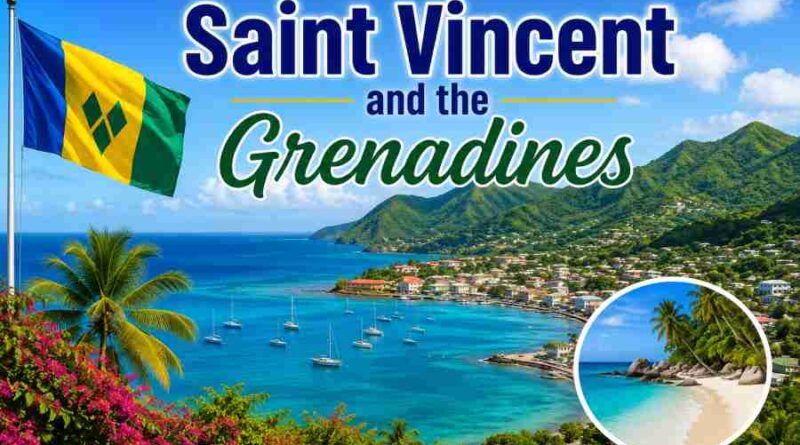
Saint Vincent and the Grenadines is a beautiful island country in the eastern Caribbean Sea, known for its volcanic landscapes, turquoise waters, coral reefs and distinctive Caribbean culture. The country consists of the main island of Saint Vincent and a chain of smaller islands and islets called the Grenadines. Its capital and largest urban center is Kingstown, located on the southwestern coast of Saint Vincent.
Although relatively small in size, Saint Vincent and the Grenadines has an interesting history shaped by Indigenous Caribbean peoples, European colonial powers, African heritage and migration. Today, the country is recognized for its natural beauty, cultural traditions, maritime activities and sporting achievements.
Table of Contents
Geography of Saint Vincent and the Grenadines
Saint Vincent and the Grenadines lies between Saint Lucia to the north and Grenada to the south. It forms part of the Lesser Antilles in the Caribbean.
Saint Vincent is the largest island and is dominated by mountainous terrain. The island’s most prominent natural feature is La Soufrière, an active volcano and the highest point in the country. The Grenadines stretch southward from Saint Vincent and include well-known islands such as Bequia, Mustique, Canouan, Mayreau and Union Island.
The country’s tropical climate, beaches, forests and marine ecosystems make it an attractive destination for travelers. The surrounding Caribbean waters are also important for fishing, sailing and other marine activities.
History
The history of Saint Vincent and the Grenadines goes back centuries before European colonization. Indigenous peoples, including the Caribs and Arawaks, lived on the islands and developed communities based on fishing, farming and trade.
During the colonial period, European powers competed for control of the Caribbean. The island of Saint Vincent became an important area of conflict between the British, French and Indigenous populations. The Black Caribs, later known as the Garifuna, emerged from the interaction of Indigenous Caribbean people and Africans who arrived in the region.
Britain eventually established stronger control over Saint Vincent. The island’s economy developed around plantations, particularly crops such as sugar. Enslaved Africans were brought to work on plantations, and their descendants became a major part of the population and cultural identity of the country.
Slavery was abolished in the British Empire in the 19th century, but plantation agriculture continued to influence the economy for many years. Saint Vincent and the Grenadines gradually moved toward greater self-government.
The country became an independent nation on October 27, 1979, ending its colonial association with Britain while remaining a member of the Commonwealth.
Culture and Traditions
The culture of Saint Vincent and the Grenadines reflects a mixture of African, Indigenous Caribbean, European and wider Caribbean influences. Music, dance, food and festivals play an important role in everyday life.
One of the country’s best-known cultural celebrations is Vincy Mas, a major carnival held in Saint Vincent. The festival features colorful costumes, music, dancing, parades and competitions. Calypso and soca music are especially popular during carnival celebrations.
The country’s cuisine also reflects its island heritage. Seafood, fresh vegetables, tropical fruits and locally grown crops are common ingredients. Popular foods include roasted breadfruit, fried jackfish and various traditional soups and stews.
English is the official language, while Vincentian Creole and other forms of Caribbean speech are also heard in everyday conversation.
Sports
Cricket is one of the most popular sports in Saint Vincent and the Grenadines. Like many Caribbean nations, the country has a strong connection with West Indies cricket. Local players have represented the West Indies at international level.
Football is also widely followed, with the Saint Vincent and the Grenadines national football team representing the country in regional and international competitions.
Other popular activities include athletics, sailing, swimming and basketball. Given the country’s geography and extensive coastline, sailing and water sports are particularly important both recreationally and competitively.
Sport contributes to national pride and provides opportunities for young people to participate in organized activities.
Economy
The economy of Saint Vincent and the Grenadines is based on several sectors, including tourism, agriculture, services, fishing and construction.
Agriculture has traditionally played an important role. Bananas were once a major export crop, while farmers also produce crops such as coconuts, root vegetables, fruits and spices.
Tourism has become increasingly significant because of the country’s beaches, sailing opportunities, marine environment and scenic islands. The Grenadines, in particular, attract visitors interested in boating, diving, luxury tourism and peaceful island experiences.
The country also benefits from its location along important Caribbean maritime routes.
Famous Places and Natural Attractions
Saint Vincent and the Grenadines has numerous attractions for visitors and nature enthusiasts. La Soufrière is one of the country’s most notable natural landmarks. Hiking around the volcanic landscape offers views of forests and rugged terrain.
Kingstown is another important destination, featuring historic buildings, markets and religious landmarks. The Botanical Gardens in Kingstown are among the notable attractions and contain a variety of tropical plants.
The Grenadine islands offer beautiful beaches and marine environments. Bequia is known for its maritime traditions, while Mustique is famous for its exclusive tourism. Tobago Cays is particularly notable for its clear waters, coral reefs and marine life.
Key Facts About Saint Vincent and the Grenadines
- Official Name: Saint Vincent and the Grenadines
- Capital: Kingstown
- Region: Caribbean / Lesser Antilles
- Independence: October 27, 1979
- Official Language: English
- Currency: Eastern Caribbean Dollar (XCD)
- Largest Island: Saint Vincent
- Highest Point: La Soufrière
- Government: Parliamentary democracy and constitutional monarchy
- National Independence Day: October 27
- Main Industries: Tourism, agriculture, services and fishing
- Major Sport: Cricket
- National Flag: Blue, gold and green with three green diamonds arranged in a V pattern
- Location: Eastern Caribbean Sea
National Flag and National Identity
The flag of Saint Vincent and the Grenadines contains three vertical sections of blue, gold and green. The blue represents the tropical sky and sea, while gold symbolizes warmth and the country’s rich natural resources. Green reflects the country’s vegetation and agricultural heritage.
Three green diamonds form a distinctive V shape in the center of the flag. The arrangement is associated with the country’s name and its island identity.
Summary
Saint Vincent and the Grenadines is a fascinating Caribbean nation where natural beauty and cultural diversity come together. From the volcanic slopes of La Soufrière and the beaches of the Grenadines to the colorful celebrations of Vincy Mas and the country’s passion for cricket, the nation has a rich identity despite its small geographical size.
Its history demonstrates the influence of Indigenous Caribbean communities, European colonialism and African heritage, while its modern economy increasingly benefits from tourism and services.
Also Check: General Knowledge