
Lesotho – History of The Mountain Kingdom of Africa, Culture, Sports and Amazing Facts
Discover Lesotho, its history, culture, sports, geography, economy, traditions and fascinating facts about Africa’s unique mountain kingdom.
Lesotho
Lesotho is a small yet fascinating country located in Southern Africa. It is often called the “Kingdom in the Sky” because its entire territory lies at an elevation of more than 1,000 meters (3,281 feet) above sea level. Lesotho is one of the few countries in the world that is completely surrounded by another country—in this case, South Africa. Despite its small size, Lesotho has a rich cultural heritage, breathtaking mountain landscapes, and a unique history that makes it an important nation in Africa.
The country is known for its friendly people, colorful traditional blankets, horse-riding culture, and beautiful highlands. It also plays a significant role in supplying water to South Africa through the Lesotho Highlands Water Project.
Table of Contents
Geography of Lesotho
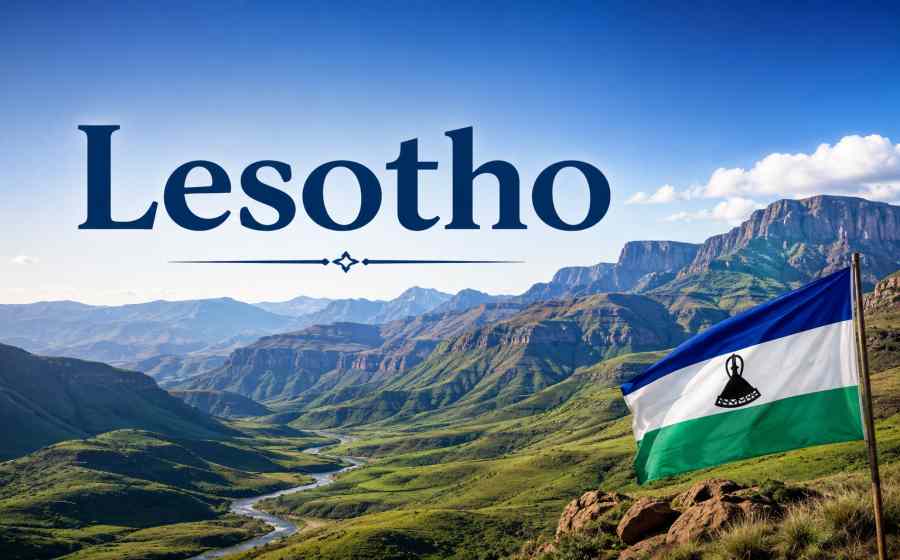
Lesotho covers an area of approximately 30,355 square kilometers, making it one of the smaller African nations. The country is entirely mountainous, with the Drakensberg and Maloti mountain ranges dominating its landscape.
- Capital: Maseru
- Continent: Africa
- Official Languages: Sesotho and English
- Currency: Lesotho Loti (LSL)
- Time Zone: South Africa Standard Time (SAST)
The country’s highest peak is Thabana Ntlenyana, which rises to about 3,482 meters, making it the highest point in Southern Africa.
The mountainous terrain provides spectacular scenery, rivers, waterfalls, and opportunities for hiking and adventure tourism.
History of Lesotho
The history of Lesotho is closely linked to the Basotho people. During the early 19th century, King Moshoeshoe I united different clans to protect them from regional conflicts and invasions.
In 1868, Lesotho became a British protectorate known as Basutoland. British rule helped preserve the country’s independence from neighboring territories.
On 4 October 1966, Basutoland gained independence and became the Kingdom of Lesotho. Since then, the nation has experienced periods of political change, democratic reforms, and economic development while maintaining its monarchy.
Today, Lesotho is a constitutional monarchy where the King serves as the ceremonial head of state.
People and Culture
The majority of Lesotho’s population belongs to the Basotho ethnic group, known for their hospitality and strong community values.
One of the most recognizable symbols of Lesotho is the Basotho blanket, worn proudly during ceremonies and everyday life, especially in colder mountain regions.
Traditional music often includes drums, flutes, and singing, while dances are performed during celebrations, weddings, and festivals.
The Mokorotlo, a distinctive conical straw hat, is another national symbol and even appears on the country’s flag and official emblems.
Family traditions, respect for elders, and communal living remain important aspects of Basotho society.
Language and Religion
Lesotho has two official languages:
- Sesotho
- English
Sesotho is spoken by most citizens and represents an important part of national identity.
Christianity is the dominant religion, with the majority of the population belonging to various Christian denominations. Traditional beliefs and customs are also respected in many communities.
Economy of Lesotho
Lesotho’s economy depends on several major sectors:
- Agriculture
- Textile manufacturing
- Water exports
- Mining
- Tourism
The country is one of Africa’s major exporters of garments, especially to international markets. The Lesotho Highlands Water Project is among the nation’s most valuable economic assets. It supplies fresh water to South Africa while generating hydroelectric power for Lesotho. Diamond mining also contributes significantly to the country’s export earnings.
Education
Education has improved considerably over recent decades. Primary education is widely available, and the government has worked to increase literacy rates.
Major educational institutions include:
- National University of Lesotho
- Limkokwing University of Creative Technology (Lesotho Campus)
Education continues to play an important role in national development.
Sports in Lesotho
Football is the most popular sport in Lesotho. Thousands of fans support local clubs and the national football team.
Other popular sports include:
- Athletics
- Rugby
- Horse racing
- Cycling
- Mountain running
Because of its mountainous terrain, Lesotho has produced talented long-distance runners and mountain athletes.
Horse riding is also an essential part of daily life in many rural areas, where horses are often used for transportation across difficult landscapes.
Tourist Attractions
Lesotho offers stunning natural beauty and adventure tourism. Some famous attractions include:
- Maletsunyane Falls
- Sehlabathebe National Park
- Katse Dam
- Thaba Bosiu
- Sani Pass
- Bokong Nature Reserve
Visitors enjoy hiking, pony trekking, mountain biking, fishing, skiing, and exploring traditional Basotho villages.
Government
Lesotho is a constitutional monarchy.
- Head of State: King
- Head of Government: Prime Minister
The country’s democratic system includes elected representatives who manage government affairs while the monarchy symbolizes national unity.
Climate
Lesotho experiences a temperate mountain climate.
- Summers are warm with seasonal rainfall.
- Winters are cold, and snowfall is common in higher elevations.
The country is one of the few places in Africa where visitors can enjoy skiing during winter.
Wildlife
Although mountainous, Lesotho supports a variety of wildlife.
Common animals include:
- Eland
- Mountain reedbuck
- Jackals
- Baboons
- Various bird species
Protected parks help conserve the country’s biodiversity.
Interesting Facts About Lesotho
- Lesotho is completely surrounded by South Africa.
- Every part of the country lies above 1,000 meters in elevation.
- It is known as the “Kingdom in the Sky.”
- King Moshoeshoe I founded the Basotho nation.
- The Basotho blanket is a famous national symbol.
- Snowfall occurs regularly during winter.
- Horse riding remains an important mode of transport in rural areas.
- Lesotho exports water through the Lesotho Highlands Water Project.
- The Mokorotlo hat appears on national symbols.
- Tourism is growing due to its mountains and outdoor activities.
Summary
Lesotho may be one of Africa’s smaller countries, but it stands out for its spectacular mountains, unique geography, rich Basotho traditions, and remarkable history. From the leadership of King Moshoeshoe I to its vibrant cultural heritage and breathtaking natural landscapes, Lesotho offers much more than its size suggests. Its strong traditions, growing economy, beautiful national parks, and adventurous outdoor experiences make it an interesting country to explore and learn about. Whether studied for general knowledge or admired as a travel destination, Lesotho remains one of Africa’s most distinctive and inspiring nations.
Also Check: General Knowledge