Albania – History, Culture, Sports, Tourist Places, Geography and Interesting Facts
Discover Albania with its rich history, vibrant culture, scenic landscapes, popular sports and fascinating facts that make this Balkan nation truly unique.
Albania
Albania is a beautiful country located in Southeastern Europe on the Balkan Peninsula. Though relatively small in size, Albania is known for its rich history, breathtaking mountains, stunning Adriatic and Ionian coastlines, ancient ruins, and unique cultural traditions. Over the centuries, Albania has been influenced by the Illyrians, Romans, Byzantines, Ottomans, and modern European nations, creating a fascinating blend of history and heritage.
Today, Albania is gaining popularity as a tourist destination because of its beautiful beaches, historic castles, affordable travel experiences, and warm hospitality. The country has also made significant progress in economic development and international cooperation while preserving its cultural identity.
Table of Contents
Location and Geography
Albania lies on the western part of the Balkan Peninsula. It shares borders with Montenegro to the northwest, Kosovo to the northeast, North Macedonia to the east, and Greece to the south. The country also has coastlines along the Adriatic Sea and the Ionian Sea, making it one of Europe’s scenic coastal destinations.
Most of Albania is mountainous, with the Albanian Alps in the north offering spectacular landscapes. Rivers, lakes, forests, and fertile valleys contribute to the country’s natural beauty.
Quick Geography Facts:
- Capital: Tirana
- Continent: Europe
- Area: Approximately 28,748 square kilometres
- Highest Mountain: Mount Korab (2,764 metres)
- Official Language: Albanian
- Currency: Albanian Lek (ALL)
- Time Zone: Central European Time (CET)
Brief History of Albania
Albania has one of Europe’s oldest histories. The earliest known inhabitants were the Illyrians, who lived in the region thousands of years ago. Later, the Romans conquered the area, followed by the Byzantine Empire.
During the 15th century, Albania became famous for the heroic resistance of Skanderbeg, the national hero who fought against the Ottoman Empire. Despite his efforts, Albania eventually came under Ottoman rule for nearly 500 years.
In 1912, Albania declared independence from the Ottoman Empire. During the 20th century, the country experienced political instability, World War II, and decades of communist rule under Enver Hoxha. Following the collapse of communism in the early 1990s, Albania transitioned toward democracy and a market economy. Today, Albania is a member of NATO and continues to strengthen its relationship with the European Union.
Government and Economy
Albania is a parliamentary republic with a President serving as the head of state and a Prime Minister leading the government.
The country’s economy has improved significantly over the past two decades. Major sectors include:
- Agriculture
- Tourism
- Energy production
- Construction
- Manufacturing
- Services
Tourism has become one of Albania’s fastest-growing industries due to its beautiful beaches, historic sites, and affordable travel options.
Culture of Albania
Albanian culture reflects centuries of historical influences while maintaining its own unique traditions. One of the country’s most respected values is “Besa,” which represents honor, trust, and keeping one’s promise. Hospitality is considered a sacred duty, and visitors are warmly welcomed.
Traditional Albanian music features instruments such as the çifteli and lahuta, while folk dances remain an important part of festivals and celebrations.
The country’s architecture combines Ottoman-era houses, medieval castles, churches, mosques, and modern buildings.
Language and Religion
The official language is Albanian, one of Europe’s oldest and unique languages.
Albania is known for religious harmony. The population includes Muslims, Orthodox Christians, and Roman Catholics who generally coexist peacefully. Religious freedom is protected by the constitution.
Traditional Food
Albanian cuisine combines Mediterranean and Balkan influences.
Popular dishes include:
- Byrek (savory pastry)
- Tavë Kosi (baked lamb with yogurt)
- Fërgesë (vegetable and cheese dish)
- Grilled seafood
- Fresh salads
- Baklava
Olive oil, fresh vegetables, herbs, dairy products, and meat are commonly used in Albanian cooking.
Festivals and Celebrations
Several national and cultural festivals are celebrated throughout the year.
Some important occasions include:
- Independence Day (28 November)
- Summer Day Festival
- National Youth Day
- Local folk festivals
- Music and cultural events
These celebrations showcase traditional costumes, folk music, dance performances, and regional cuisine.
Sports in Albania
Football (soccer) is the most popular sport in Albania. The Albanian national football team has improved steadily in international competitions and enjoys passionate support from fans.
Other popular sports include:
- Basketball
- Volleyball
- Weightlifting
- Athletics
- Wrestling
- Swimming
Albanian athletes have earned international recognition, especially in weightlifting and other individual sports.
Tourism in Albania
Albania has become one of Europe’s emerging tourist destinations because of its natural beauty and historical attractions.
Some famous tourist places include:
- Tirana (Capital City)
- Berat (City of a Thousand Windows)
- Gjirokastër
- Albanian Riviera
- Butrint National Park
- Lake Ohrid
- Krujë Castle
- Llogara National Park
Visitors enjoy hiking, beach vacations, archaeological sites, and mountain adventures.
Wildlife and Environment
Albania’s diverse geography supports rich biodiversity.
The country is home to:
- Brown bears
- Wolves
- Golden eagles
- Lynx
- Wild boars
- Deer
Several national parks protect forests, rivers, mountains, and wildlife habitats. Environmental conservation has become increasingly important as tourism continues to grow.
Education System
Education is compulsory for children in Albania for several years during primary and lower secondary levels.
The country has:
- Public schools
- Private schools
- Universities
- Technical institutes
Higher education has expanded considerably since the 1990s, with universities offering a wide range of academic programs.
Economy and Trade
Albania exports products such as:
- Textiles
- Footwear
- Minerals
- Petroleum
- Agricultural products
- Metals
The country also benefits from foreign investment and infrastructure development projects.
Interesting Facts About Albania
- Albania has over 170,000 bunkers built during the communist era.
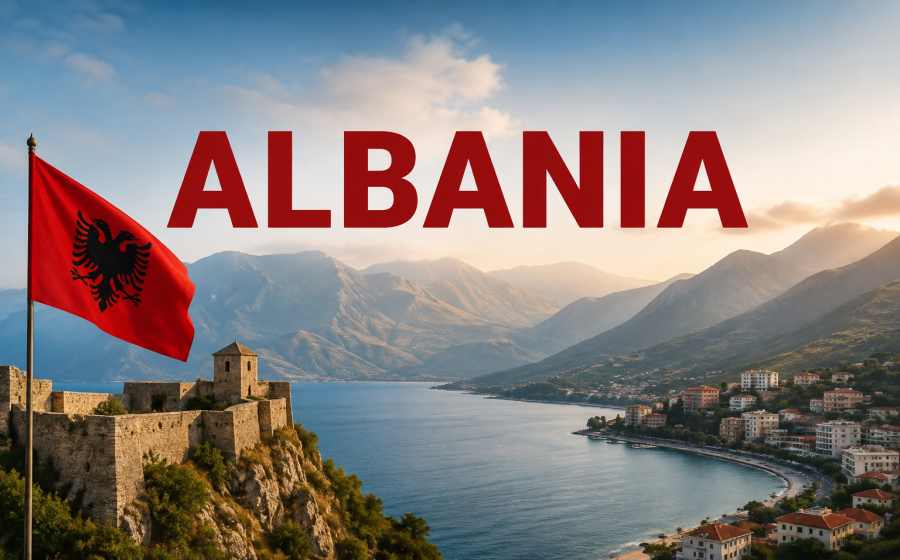
- The country’s flag features a black double-headed eagle on a red background.
- Albanians often nod and shake their heads differently from many other countries, which can confuse visitors.
- Albania has hundreds of kilometres of beautiful coastline.
- Mother Teresa’s family had Albanian roots.
- The Albanian Riviera is becoming a popular alternative to more crowded Mediterranean destinations.
- Albania has many UNESCO World Heritage Sites.
- Hospitality is deeply rooted in Albanian society.
- The Albanian language forms its own independent branch of the Indo-European language family.
- Albania is one of Europe’s sunniest countries, enjoying many sunny days each year.
Importance of Albania
Although Albania is a small nation, it plays an important role in the Balkans through regional cooperation, tourism, cultural heritage, and economic development. Its strategic location along the Adriatic and Ionian Seas has made it historically significant for trade and transportation.
The country continues to modernize while preserving its historical monuments, traditions, and natural landscapes.
Summary
Albania is a fascinating country where ancient history meets modern progress. From its majestic mountains and crystal-clear beaches to its rich traditions, welcoming people, and unique cultural identity, Albania offers much more than many people expect. Its remarkable journey from ancient civilizations to a modern European nation makes it an interesting subject for students, travelers, and general knowledge enthusiasts alike.
Whether exploring its historic castles, enjoying traditional cuisine, or learning about its inspiring past, Albania stands as a remarkable example of resilience, cultural richness, and natural beauty.
Also Check: General Knowledge