Antigua and Barbuda – History, Culture, Sports, Tourist Places, Geography and Key Facts
Explore Antigua and Barbuda’s history, culture, geography, sports, economy, landmarks, traditions and fascinating key facts about this Caribbean nation.
Antigua and Barbuda
Antigua and Barbuda is a beautiful twin-island country in the eastern Caribbean, known for its beaches, sailing traditions, rich history and vibrant culture. Located in the Leeward Islands, the country consists mainly of the islands of Antigua and Barbuda, along with the smaller uninhabited island of Redonda. Its warm climate, turquoise waters and historic attractions make it an important destination in the Caribbean.
The country combines Indigenous heritage, African traditions, European influences and modern Caribbean life. Beyond tourism, Antigua and Barbuda has a fascinating political history and a strong sporting identity, particularly in cricket.
Table of Contents
Geography of Antigua and Barbuda
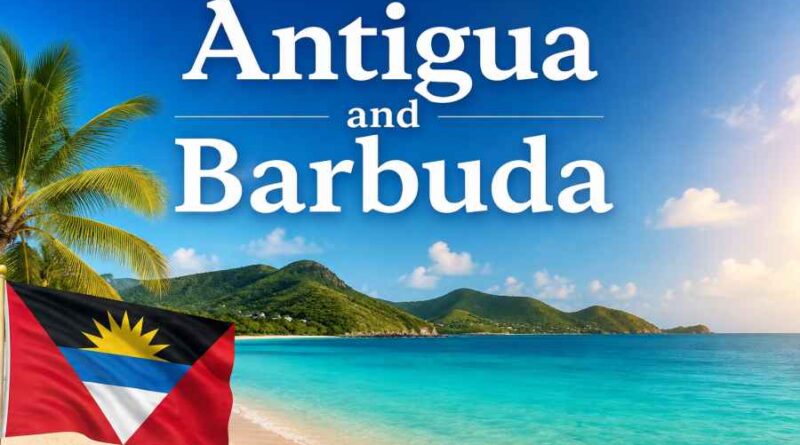
Antigua and Barbuda lies in the eastern Caribbean Sea, southeast of Puerto Rico and north of Guadeloupe. Antigua is the larger and more developed of the two main islands, while Barbuda is famous for its relatively undeveloped natural environment, wildlife and long sandy beaches.
The capital and largest city is St. John’s, located on Antigua. The country has a tropical climate, with generally warm temperatures throughout the year. Its landscape includes beaches, coral reefs, hills, coastal areas and dry tropical vegetation.
Antigua is particularly famous for its coastline, which is traditionally said to have a beach for every day of the year. Although this is a popular tourism slogan rather than an exact geographical count, it reflects the island’s exceptional number of beaches and coves.
Early History
The earliest inhabitants of the islands were Indigenous peoples who lived in the Caribbean long before European colonization. Among the groups associated with Antigua and Barbuda were the Arawak and later the Kalinago.
European exploration began in the late 15th century. Christopher Columbus visited Antigua in 1493 during his second voyage to the Americas and gave the island the name Antigua, associated with a church in Seville, Spain.
During the 17th and 18th centuries, English influence became dominant. Antigua developed a plantation economy, particularly based on sugar production. Enslaved Africans were brought to the island to work on plantations, creating a painful and important chapter in the country’s history.
Slavery and Emancipation
The plantation economy of Antigua depended heavily on enslaved African labor. Sugar plantations became central to the island’s economy, while enslaved people faced extremely harsh conditions.
Slavery was abolished in the British Empire in the 1830s, and emancipation came into effect in Antigua in 1834. Formerly enslaved communities gradually developed their own social, cultural and economic institutions.
The legacy of slavery continues to influence Antigua and Barbuda’s culture, traditions and national identity. African heritage is particularly visible in music, festivals, food, language and community traditions.
Road to Independence
During the 20th century, political movements increasingly demanded greater self-government. Sir Vere Cornwall Bird, a major political leader, played an important role in the country’s political development and became the nation’s first Prime Minister after independence.
Antigua and Barbuda achieved independence from the United Kingdom on 1 November 1981. It became a sovereign state while remaining a member of the Commonwealth.
Today, Antigua and Barbuda is a parliamentary democracy and a constitutional monarchy. The Prime Minister serves as the head of government, while the monarch is represented in the country by a Governor-General.
Culture and Traditions
Antigua and Barbuda has a distinctive Caribbean culture shaped by African, British and other international influences. Music, dance, food and festivals play an important role in everyday life and national celebrations.
One of the country’s biggest cultural events is Antigua Carnival. The festival features colorful costumes, music, dancing, parades and cultural performances. It is an important celebration of freedom, creativity and Caribbean identity.
Calypso and soca music are particularly popular, while steelpan and other Caribbean musical traditions also contribute to the country’s lively cultural scene.
The cuisine reflects the islands’ history and geography. Seafood, vegetables, fruits and locally influenced dishes are common. Fungee and pepperpot are among the traditional foods associated with Antigua and Barbuda.
Sports in Antigua and Barbuda
Cricket is one of the country’s most popular sports. Antigua has produced several internationally recognized cricketers, and the island has a strong connection with West Indies cricket.
One of the country’s most famous sporting figures is Sir Vivian Richards, widely regarded as one of the greatest batsmen in cricket history. The Sir Vivian Richards Stadium near St. John’s is named in his honor and has hosted international cricket matches.
Football is also popular, particularly at the community level. Athletics has gained attention as well, with Antiguan and Barbudan athletes competing internationally.
The country’s participation in the Olympic Games has also contributed to its international sporting presence. Although Antigua and Barbuda is a small nation, its athletes have represented the country on the global stage in sports such as athletics and swimming.
Economy
Tourism is a major part of Antigua and Barbuda’s economy. Visitors are attracted by its beaches, resorts, sailing opportunities, marine environment and historic sites.
The country’s location makes it especially popular with cruise visitors and travelers interested in sailing. Antigua is also known for hosting major sailing events, helping establish the country as an important destination for international sailing enthusiasts.
Other economic activities include financial services, construction, agriculture and fisheries. Because of its small size and island geography, the country can be vulnerable to hurricanes, global economic changes and disruptions affecting tourism.
Famous Places to Visit
Antigua and Barbuda has several notable attractions that showcase its history and natural beauty.
Nelson’s Dockyard is one of the country’s most important historical sites. Located in English Harbour, it is a former British naval facility associated with Admiral Horatio Nelson. Today, the area contains restored historic buildings, museums, restaurants and facilities connected with sailing.
Shirley Heights is another famous attraction. The historic lookout provides impressive views over English Harbour and surrounding areas and is also known for cultural gatherings and celebrations.
Devil’s Bridge on Antigua is a naturally formed limestone arch shaped by the action of the Atlantic Ocean. It is an important natural landmark.
Barbuda is famous for its beaches, lagoons and birdlife. The island has also been associated with one of the Caribbean’s important colonies of frigatebirds, making it attractive to nature lovers.
Language and National Identity
English is the official language of Antigua and Barbuda. Antiguan and Barbudan Creole expressions are also widely used in everyday communication.
The country’s national identity is strongly connected with its Caribbean heritage, independence, cultural festivals and sporting achievements. The national flag, adopted at independence, contains colors and symbols representing different aspects of the nation’s history and aspirations.
Antigua and Barbuda: Quick Key Facts
- Official Name: Antigua and Barbuda
- Capital: St. John’s
- Region: Caribbean
- Independence: 1 November 1981
- Official Language: English
- Currency: Eastern Caribbean dollar (XCD)
- Main Islands: Antigua and Barbuda
- Government: Parliamentary democracy and constitutional monarchy
- Major Economic Sector: Tourism
- Popular Sport: Cricket
- Famous Cricket Legend: Sir Vivian Richards
- Major Festival: Antigua Carnival
- Historic Landmark: Nelson’s Dockyard
- Major Natural Attraction: Devil’s Bridge
- Nationality: Antiguan and Barbudan
Why Antigua and Barbuda Is Important
Antigua and Barbuda may be a small country, but its history and cultural contribution are significant. Its journey from Indigenous settlement and European colonization through slavery, emancipation and independence reflects important developments in Caribbean history.
Today, the country is recognized for its natural beauty, tourism industry, sailing traditions, vibrant festivals and sporting achievements. Its historic sites preserve the story of the colonial period, while its music, food and celebrations demonstrate the strength of its Caribbean and African heritage.
Summary
Antigua and Barbuda is much more than a tropical holiday destination. It is a country with a complex history, vibrant culture and strong connection to the sea. From the historic buildings of Nelson’s Dockyard to the beaches of Barbuda, the country offers a fascinating combination of heritage and natural beauty.
Its independence in 1981 marked an important milestone in its modern history, while cricket, Carnival and sailing remain important parts of national life.
Also Check: General Knowledge