
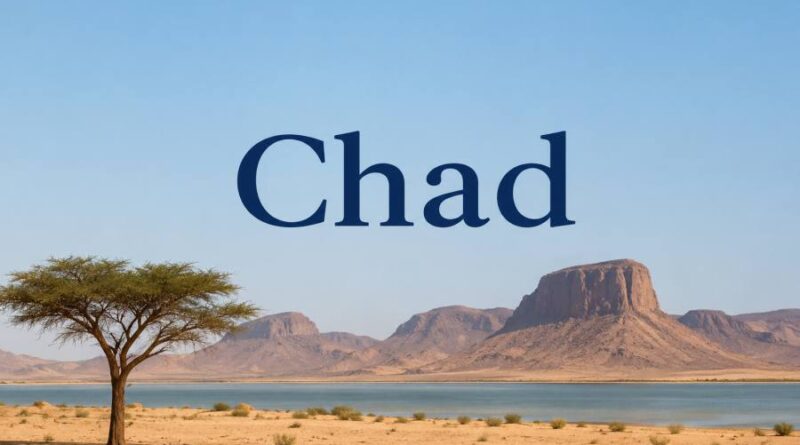
Chad – History, Culture, Sports, Geography and Fascinating Facts
Explore Chad’s history, culture, sports, geography, economy and key facts. Discover what makes this Central African nation unique and important.
Chad
Chad is a landlocked country located in Central Africa. Despite being one of Africa’s lesser-known nations, Chad possesses a rich history, diverse cultures, unique landscapes, and significant natural resources. The country serves as a crossroads between North and Sub-Saharan Africa, creating a fascinating blend of traditions, languages, and lifestyles. From the vast Sahara Desert in the north to fertile lands in the south, Chad offers remarkable geographical diversity and cultural heritage.
Table of Contents
History of Chad
The history of Chad dates back thousands of years. Archaeological discoveries suggest that human settlements existed in the region as early as 7,000 years ago. One of the most famous discoveries is the fossil known as “Toumaï,” considered one of the oldest known human ancestors.
During ancient times, powerful kingdoms such as Kanem-Bornu emerged around Lake Chad. These kingdoms became important centers of trade, connecting North Africa with regions south of the Sahara. Merchants transported goods such as salt, gold, ivory, and textiles through trans-Saharan trade routes.
In the late 19th century, France colonized Chad and incorporated it into French Equatorial Africa. Chad gained independence from France on August 11, 1960. Since independence, the country has faced political instability, civil conflicts, and economic challenges. However, Chad continues working toward development and national unity.
Geography of Chad
Chad covers approximately 1.28 million square kilometers, making it one of Africa’s largest countries. It shares borders with Libya, Sudan, the Central African Republic, Cameroon, Nigeria, and Niger.
The country’s geography is divided into three major regions:
1. Sahara Desert (North)
The northern part of Chad is dominated by the Sahara Desert, featuring sand dunes, rocky plateaus, and extremely dry conditions.
2. Sahel Region (Central)
The central region consists mainly of semi-arid grasslands and shrublands. This area experiences seasonal rainfall and supports livestock farming.
3. Savannah Region (South)
Southern Chad receives more rainfall and contains fertile agricultural land, rivers, and forests.
One of Chad’s most important natural features is Lake Chad, which provides water and supports millions of people across several African countries. Unfortunately, the lake has significantly decreased in size due to climate change and water usage.
People and Culture
Chad is one of the most culturally diverse countries in Africa. More than 200 ethnic groups live within its borders, each contributing unique traditions, languages, music, and customs.
The official languages are French and Arabic, but over 100 local languages are spoken throughout the country.
Traditional music and dance play an important role in Chadian culture. Drums, string instruments, and vocal performances are commonly featured during festivals, weddings, and community celebrations.
Family and community relationships remain central to daily life. Respect for elders, hospitality, and social cooperation are highly valued cultural traits.
Religion in Chad
Religion plays a significant role in Chadian society. The population primarily follows Islam and Christianity, while some communities continue practicing traditional African religions.
The northern and central regions are predominantly Muslim, whereas Christianity is more common in the southern regions. Despite religious differences, many communities coexist peacefully and contribute to the nation’s cultural diversity.
Economy of Chad
Agriculture forms the backbone of Chad’s economy. Most citizens depend on farming, livestock herding, and fishing for their livelihoods.
Major agricultural products include:
- Cotton
- Millet
- Sorghum
- Groundnuts (peanuts)
- Rice
Oil production has become a major source of national revenue since commercial oil extraction began in the early 2000s. Petroleum exports have helped increase government income and infrastructure development.
However, Chad continues to face economic challenges such as poverty, limited industrialization, climate-related issues, and inadequate transportation infrastructure.
Sports in Chad
Sports are becoming increasingly popular among Chadian youth. Football (soccer) is by far the most widely played and followed sport in the country.
Local football clubs compete in national leagues, while the Chad national football team represents the country in international competitions. Although Chad has not yet achieved major success on the global football stage, enthusiasm for the sport continues to grow.
Other sports enjoyed in Chad include:
- Basketball
- Athletics
- Wrestling
- Handball
- Martial arts
Traditional wrestling competitions remain popular in many rural communities and often form part of cultural festivals.
Wildlife and Natural Attractions
Chad is home to a variety of wildlife and natural landscapes. Several national parks and protected areas help preserve biodiversity.
Notable wildlife species include:
- Lions
- Elephants
- Giraffes
- Antelopes
- Crocodiles
- Hippos
The Zakouma National Park is one of Africa’s important wildlife conservation areas. It has gained international recognition for successful elephant protection efforts.
The Tibesti Mountains in northern Chad provide spectacular volcanic landscapes and are among the country’s most impressive natural attractions.
Education in Chad
Education has expanded since independence, but challenges remain. Access to schools is limited in some rural regions, and literacy rates are lower than global averages.
The government and international organizations continue investing in:
- School construction
- Teacher training
- Educational materials
- Girls’ education programs
Improving education remains a key priority for the country’s future development.
Interesting Facts About Chad
- Chad is often called the “Dead Heart of Africa” because of its central location on the continent.
- Lake Chad was once one of Africa’s largest lakes.
- The country has more than 200 ethnic groups.
- French and Arabic are the official languages.
- Chad gained independence from France in 1960.
- The Sahara Desert covers a large portion of northern Chad.
- Oil exports play an important role in the economy.
- Chad is one of the largest landlocked countries in Africa.
- The Tibesti Mountains contain the highest peak in the Sahara Desert region.
- Ancient trade routes connected Chad to North Africa and the Middle East.
Summary
Chad is a nation of remarkable diversity, blending ancient history, rich cultural traditions, unique geography, and growing economic potential. From the deserts of the Sahara to the fertile southern plains, the country offers a fascinating mix of landscapes and lifestyles. While challenges remain, Chad’s cultural heritage, natural resources, and resilient people continue to shape its future. Understanding Chad provides valuable insight into the history and diversity of Central Africa and highlights the importance of preserving both cultural traditions and natural environments.
Also Check: General Knowledge