Election Commission Removed 474 Political Parties from its Records
Election Commission removed 474 political parties, efforts continue to streamline RUPPs and ensure transparency in India’s electoral system.
Election Commission removed 474 political parties
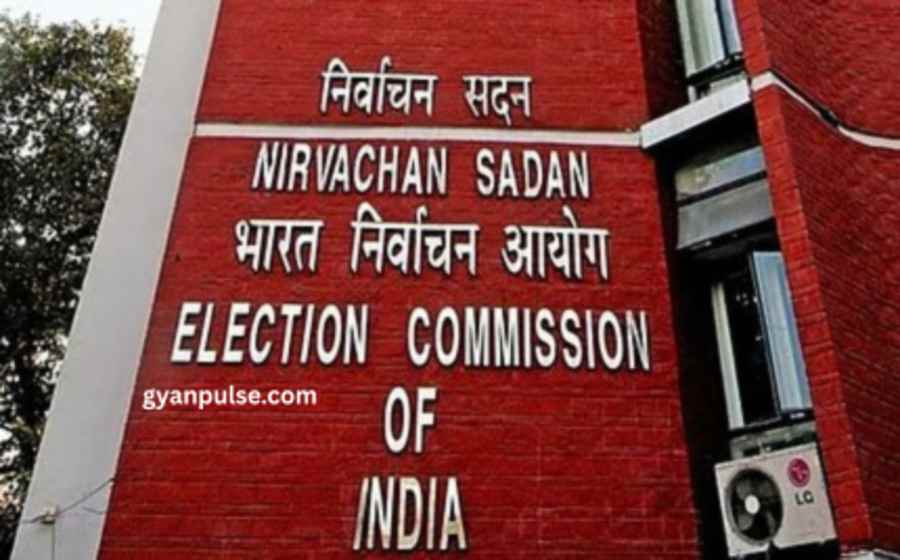
The Election Commission of India (ECI) has recently removed 474 registered but unrecognised political parties because they have not contested elections in the last six years. This step is part of an ongoing effort to clean up the political system and protect the fairness of elections. In just the last two months, a total of 808 such parties have been de-listed, bringing the number of Registered Unrecognised Political Parties (RUPPs) down to 2,046.
Table of Contents
Background of RUPPs & their Registration
Political parties in India register with the Election Commission under Section 29A of the Representation of the People Act, 1951.
This registration provides benefits such as election symbols and tax exemptions. In return, parties are expected to actively contest elections and follow financial reporting rules.
Why Parties Are De listed
The main reason for de-listing RUPPs is their failure to contest elections for six consecutive years. Some parties also did not submit audited accounts for three financial years (2021-22, 2022-23, 2023-24) or failed to file election expenditure reports, violating Election Commission rules and affecting transparency.
How Political Parties Are De listed
Before de-listing, the Chief Electoral Officers (CEOs) of the respective States and Union Territories issue show-cause notices to the parties, allowing them to respond.
After reviewing the parties’ replies, the CEOs send their reports to the Election Commission, which then decides on their removal from the register.
Effect on the Political System
Removing inactive or non-compliant parties helps streamline the electoral process, ensuring only active and serious parties receive registration benefits. It also promotes transparency in political funding and makes it easier for voters and election officials to focus on genuine participants.
Present Status and Next Steps
After the recent de-listings, 2,046 RUPPs remain registered. The Election Commission is closely monitoring compliance, with 359 parties under review for financial or reporting irregularities. These efforts aim to ensure a fair and accountable democratic process.
Importance of Electoral Transparency and Accountability
The Election Commission’s action against inactive and non-compliant political parties reflects a broader effort to strengthen India’s democratic framework. By removing parties that fail to participate in elections or neglect financial disclosure requirements, the system becomes more transparent and efficient. Such measures help reduce misuse of registration benefits, improve accountability in political funding, and ensure that only genuine and active organisations remain part of the electoral process, ultimately increasing public trust in elections.
Strengthening India’s Electoral System
The de-listing of inactive political parties marks an important step toward maintaining a cleaner and more efficient electoral system. By closely monitoring registration rules and financial disclosures, the Election Commission aims to prevent misuse of political status and promote fairness in democratic processes. These reforms can help create a more transparent environment where responsible and active participation in elections is encouraged.
Summary
The Election Commission of India removed 474 registered but unrecognised political parties that had not contested elections for six years or failed to meet compliance requirements. This action is part of an ongoing effort to improve transparency, strengthen accountability, and streamline India’s electoral system by ensuring that only active and genuine political parties remain registered. The move also supports better monitoring of political activities and enhances trust in the overall democratic process.
Also Check: Current Affairs