Role of Technology in Environmental Protection – Innovations for a Sustainable Future
Discover the role of technology in environmental protection, from renewable energy to AI-driven conservation and how innovation is shaping a sustainable future.
Role of Technology in Environmental Protection
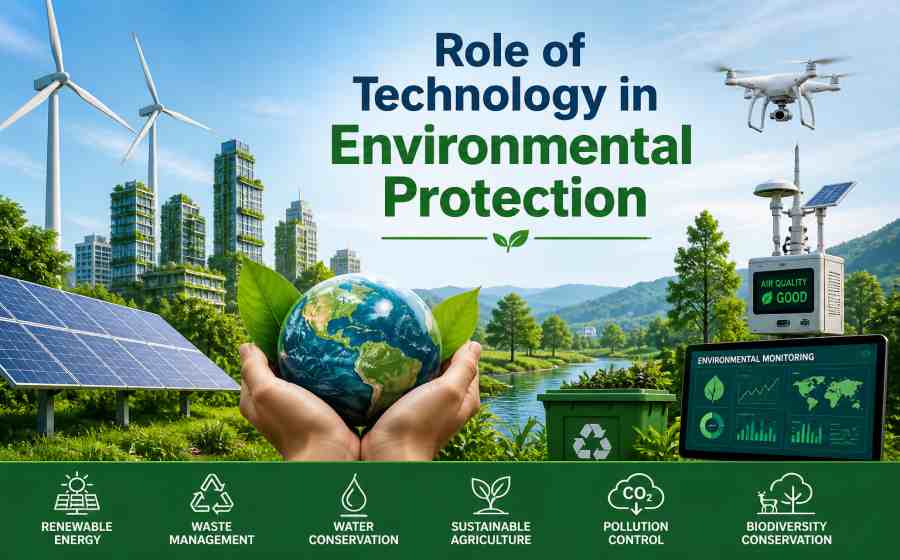
In the modern era, technology has become a powerful tool in addressing some of the most pressing environmental challenges. From climate change and deforestation to pollution and biodiversity loss, the planet faces numerous threats. However, advancements in science and technology are providing innovative solutions that not only help mitigate damage but also promote sustainable development. The role of technology in environmental protection is no longer optional, it is essential for ensuring a healthier and more balanced ecosystem for future generations.
Table of Contents
Renewable Energy Technologies
One of the most significant contributions of technology to environmental protection is the development of renewable energy sources. Traditional energy production methods, such as coal and fossil fuels, release harmful greenhouse gases into the atmosphere. In contrast, renewable energy technologies like solar panels, wind turbines, and hydroelectric systems generate power with minimal environmental impact.
Solar energy, for instance, harnesses sunlight to produce electricity without emitting carbon dioxide. Similarly, wind energy uses natural air currents to generate power. These technologies reduce dependence on non-renewable resources and play a crucial role in combating climate change. As innovation continues, renewable energy is becoming more efficient, affordable, and widely accessible.
Waste Management and Recycling Innovations
Technology has revolutionized waste management practices, making them more efficient and environmentally friendly. Advanced recycling systems can now separate different types of waste automatically, improving recycling rates and reducing landfill usage. Smart waste bins equipped with sensors can monitor waste levels and optimize collection routes, saving fuel and reducing emissions.
Additionally, technologies like waste-to-energy conversion allow non-recyclable waste to be transformed into usable energy. This not only reduces the amount of waste sent to landfills but also provides an alternative energy source. Such innovations contribute significantly to minimizing environmental pollution.
Role of Artificial Intelligence and Big Data
Artificial Intelligence (AI) and big data are playing a growing role in environmental protection. AI can analyze vast amounts of data to identify patterns and predict environmental changes. For example, it can be used to monitor deforestation, track wildlife populations, and forecast weather conditions.
Satellite imagery combined with AI helps detect illegal activities such as logging and poaching in real time. Governments and organizations can take immediate action based on these insights. Big data also assists in climate modeling, helping scientists understand future environmental scenarios and plan accordingly.
Water Conservation and Management
Water scarcity is a major global issue, and technology is helping to address it effectively. Smart irrigation systems, for instance, use sensors and data analytics to deliver the exact amount of water needed for crops. This reduces water wastage and improves agricultural efficiency.
Desalination technology is another breakthrough that converts seawater into potable water, making it possible to supply fresh water in arid regions. Moreover, advanced filtration and purification systems ensure safe drinking water while minimizing environmental impact.
Sustainable Agriculture Practices
Agriculture is a vital sector, but it can also contribute to environmental degradation if not managed properly. Technology has introduced sustainable farming practices that reduce harm to the environment. Precision agriculture uses GPS, sensors, and data analysis to optimize the use of fertilizers, pesticides, and water.
Drones are now used to monitor crop health, detect diseases, and assess soil conditions. This targeted approach reduces the excessive use of chemicals, preserving soil quality and protecting nearby ecosystems. Vertical farming and hydroponics are also gaining popularity, allowing crops to be grown with minimal land and water usage.
Pollution Monitoring and Control
Technological advancements have made it easier to monitor and control pollution levels. Air quality monitoring systems provide real-time data on pollutants, helping authorities take timely action. Similarly, water quality sensors detect contamination in rivers, lakes, and oceans.
Industrial processes have also improved with the use of cleaner technologies that reduce emissions and waste. For example, carbon capture and storage (CCS) technology captures carbon dioxide emissions before they enter the atmosphere and stores them safely underground.
Conservation of Biodiversity
Protecting biodiversity is crucial for maintaining ecological balance, and technology is playing a key role in conservation efforts. GPS tracking devices help monitor the movement of endangered species, providing valuable data for their protection. Camera traps and drones are used to observe wildlife without disturbing their natural habitats.
Digital platforms and mobile applications also raise awareness about conservation issues, encouraging public participation. Crowdsourced data allows researchers to gather information from people worldwide, making conservation efforts more collaborative and effective.
Smart Cities and Sustainable Living
The concept of smart cities integrates technology to create environmentally sustainable urban environments. Smart grids optimize energy distribution, while energy-efficient buildings reduce consumption. Public transportation systems powered by clean energy help decrease air pollution.
Urban planning supported by technology ensures better waste management, water conservation, and reduced carbon footprints. These innovations contribute to a more sustainable lifestyle and improve the quality of life for residents.
Challenges and Future Prospects
Despite its many benefits, the use of technology in environmental protection also comes with challenges. High costs, lack of awareness, and limited access in developing regions can hinder its widespread adoption. Additionally, some technologies may have unintended environmental impacts if not managed properly.
However, the future looks promising. Continuous research and development are making technologies more affordable and efficient. Collaboration between governments, industries, and individuals is essential to maximize the positive impact of technology on the environment.
Summary
Technology has emerged as a powerful ally in the fight against environmental degradation. From renewable energy and smart agriculture to AI-driven conservation and pollution control, its applications are vast and transformative. While challenges remain, the potential of technology to create a sustainable future is undeniable. By embracing innovation and using it responsibly, humanity can protect the environment and ensure a better world for generations to come.
Also Check: Environment