
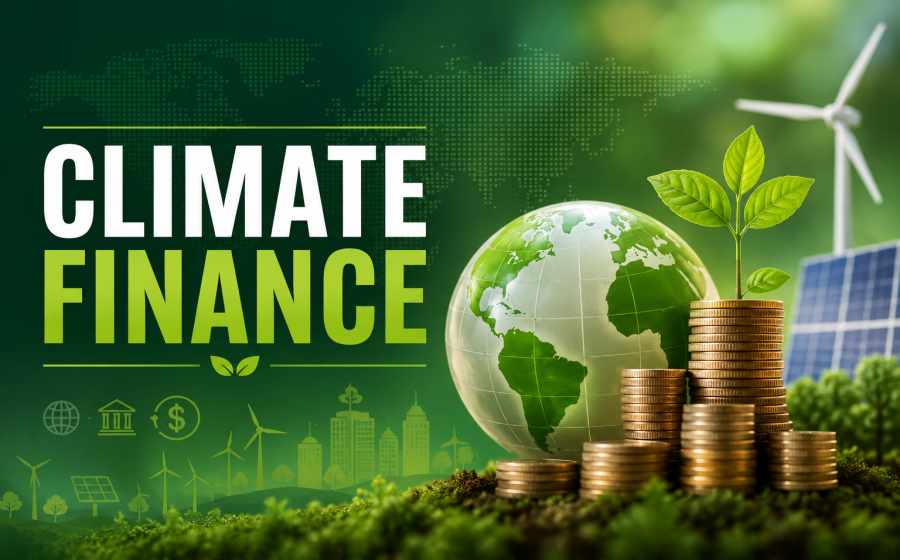
Climate Finance – Meaning, Importance and Global Impact
Learn about Climate Finance: Meaning and Importance, how it supports clean energy, climate action, sustainable development and global environmental protection.
Climate Finance – Introduction
Climate change has become one of the biggest global challenges of the 21st century. Rising temperatures, melting glaciers, extreme weather events, floods, droughts, and pollution are affecting people, economies, and ecosystems worldwide. To reduce these environmental threats and build a sustainable future, countries need strong financial support. This is where climate finance plays an important role.
It refers to the money invested in activities that help fight climate change and protect the environment. It supports projects related to renewable energy, sustainable transportation, clean technology, forest conservation, disaster management, and climate adaptation. Today, climate finance has become a key part of global environmental and economic policies.
Table of Contents
What is Climate Finance?
Climate finance means local, national, or international funding used to address climate change. These funds help countries reduce greenhouse gas emissions and adapt to the impacts of climate change.
The money can come from governments, international organizations, banks, private companies, or environmental funds. Climate finance supports two major goals:
- Mitigation – Reducing the causes of climate change by lowering carbon emissions.
- Adaptation – Helping communities adjust to climate-related challenges like floods, droughts, and rising sea levels.
For example, building solar power plants, promoting electric vehicles, planting forests, and developing flood-resistant infrastructure are all climate finance activities.
Sources of Climate Finance
Finance of Climate comes from multiple sources across the world. Some of the major sources include:
1. Government Funding
Governments invest public money in environmental protection programs, renewable energy projects, and sustainable development initiatives.
2. International Organizations
Organizations such as the United Nations, World Bank, and Green Climate Fund provide financial support to developing countries for climate-related projects.
3. Private Sector Investment
Many companies and investors now support green technologies, electric mobility, and sustainable industries because environmentally friendly businesses are becoming more profitable.
4. Banks and Financial Institutions
Banks offer green loans and sustainable investment plans for projects related to clean energy and environmental conservation.
5. Carbon Markets
Countries and companies can trade carbon credits, encouraging industries to reduce pollution and invest in cleaner technologies.
Importance of Climate Finance
Finance of Climate is essential because environmental protection requires large-scale investment. Developing countries especially need financial assistance to transition toward sustainable development.
1. Supports Renewable Energy
Finance of Climate helps countries invest in renewable energy sources such as solar, wind, and hydroelectric power. This reduces dependence on fossil fuels like coal and oil, which produce harmful greenhouse gases.
2. Reduces Carbon Emissions
Funding clean transportation systems, electric vehicles, and energy-efficient technologies helps reduce pollution and carbon emissions, slowing global warming.
3. Protects Vulnerable Communities
Many poor and coastal communities are highly vulnerable to climate disasters. Finance of Climate helps build stronger infrastructure, improve disaster preparedness and protect people from environmental risks.
4. Encourages Sustainable Development
Finance of Climate promotes economic growth while protecting natural resources. It encourages industries to adopt eco-friendly practices and sustainable production methods.
5. Creates Green Jobs
The growth of renewable energy and sustainable industries creates millions of employment opportunities in sectors like solar energy, waste management, electric vehicles, and environmental engineering.
6. Conserves Natural Ecosystems
Funding for forest conservation, biodiversity protection, and wildlife preservation helps maintain ecological balance and supports healthy ecosystems.
Climate Finance in Developing Countries
Developing nations often face the greatest impacts of climate change despite contributing less to global pollution. These countries need financial assistance for clean energy projects, disaster management systems, and climate adaptation programs.
International climate agreements encourage developed countries to provide financial support to poorer nations. Such assistance helps bridge the gap between economic growth and environmental protection.
India, for example, has increased investments in solar energy, electric transportation, and sustainable urban development through climate finance initiatives.
Challenges in Finance of Climate
Although Finance of Climate is growing globally, several challenges still exist.
1. Insufficient Funding
Many climate projects require huge investments, but available funding is often limited.
2. Unequal Distribution
Poorer countries sometimes struggle to access climate funds due to complex approval systems and financial limitations.
3. Lack of Transparency
Tracking how climate funds are used can be difficult, creating concerns about accountability and effectiveness.
4. Dependence on Fossil Fuels
Many economies still rely heavily on coal, oil, and gas industries, making the transition to green energy challenging.
5. Technological Barriers
Developing countries may lack advanced technologies needed for clean energy and environmental protection projects.
Global Efforts for Climate Finance
Countries around the world are working together to increase Finance of Climate. International climate conferences and agreements encourage nations to invest more in sustainable development.
The Paris Agreement is one of the most important global climate agreements. It aims to limit global warming and strengthen international cooperation on climate action.
Several green investment programs are also promoting sustainable businesses, electric transportation, energy efficiency, and carbon reduction technologies worldwide.
Future of Climate Finance
The future of Finance of Climate looks promising as governments, businesses, and individuals become more aware of environmental issues. Investments in renewable energy and sustainable technologies are increasing rapidly.
Green bonds, sustainable banking, and environmental investment funds are expected to grow further in the coming years. Artificial intelligence, smart cities, and clean technology innovations may also improve climate solutions globally.
As climate risks continue to rise, climate finance will become even more important for protecting economies, ecosystems, and future generations.
Summary
Finance of Climate is a powerful tool in the fight against climate change. It provides financial support for renewable energy, environmental conservation, sustainable development, and climate adaptation projects. By encouraging green investments and reducing carbon emissions, climate finance helps create a cleaner and safer future for the planet.
Although challenges such as funding gaps and unequal access still exist, global cooperation and increasing awareness are improving climate finance systems worldwide. Strong climate finance policies can help nations achieve economic growth while protecting the environment for future generations.
Also Check: Environment