Climate Change and Natural Disasters – Causes, Effects and Global Impact
Climate Change and Natural Disasters are deeply connected. Learn how rising temperatures causing floods, heatwaves, cyclones, droughts and wildfires worldwide.
Climate Change and Natural Disasters
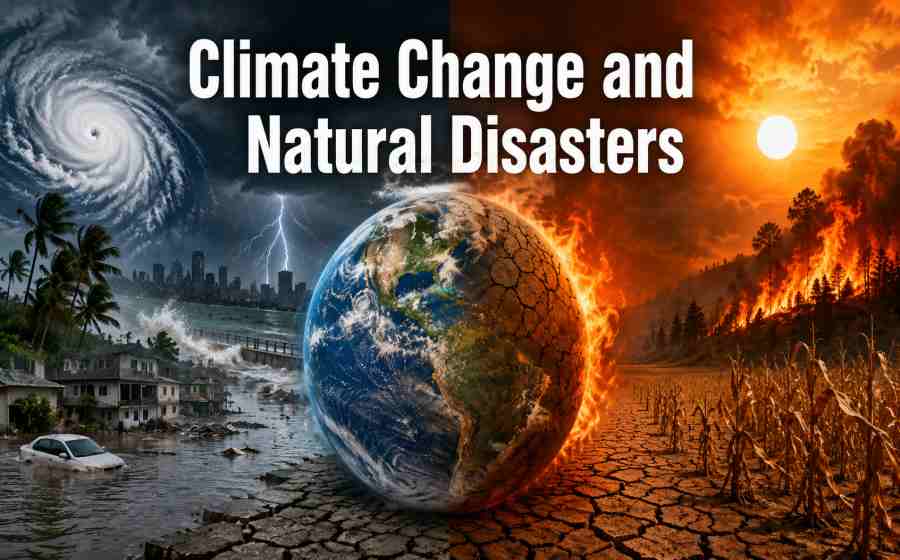
Climate change has become one of the biggest global challenges of the 21st century. Rising temperatures, melting glaciers, changing rainfall patterns, and increasing pollution are affecting life on Earth in many ways. One of the most serious impacts of climate change is the rise in natural disasters. Events such as floods, cyclones, droughts, heatwaves, and wildfires are becoming more frequent and more destructive than ever before.
Scientists around the world have warned that human activities are increasing greenhouse gases in the atmosphere. These gases trap heat and cause global warming, which directly affects weather systems and the environment. As the Earth continues to warm, natural disasters are becoming stronger and harder to predict.
Table of Contents
What is Climate Change?
Climate change refers to long-term changes in Earth’s temperature, weather patterns, and environmental conditions. While climate naturally changes over time, the current rapid warming is mainly caused by human activities such as:
- Burning fossil fuels like coal, oil, and gas
- Deforestation
- Industrial pollution
- Excessive use of vehicles
- Waste generation
These activities release greenhouse gases such as carbon dioxide and methane into the atmosphere. As a result, the Earth’s average temperature continues to rise.
Understanding Natural Disasters
Natural disasters are sudden events caused by natural forces that result in damage to life, property, and the environment. Some common natural disasters include:
- Floods
- Earthquakes
- Cyclones and hurricanes
- Droughts
- Heatwaves
- Wildfires
- Landslides
- Tsunamis
Although not every disaster is directly caused by climate change, many weather-related disasters are becoming more severe because of rising global temperatures.
How Climate Change Increases Natural Disasters
1. More Powerful Floods
Warmer temperatures increase evaporation, leading to heavier rainfall in many regions. When excessive rain falls within a short time, rivers overflow and urban drainage systems fail, causing floods.
Melting glaciers and rising sea levels also increase coastal flooding. Many countries are now experiencing sudden flash floods that destroy homes, roads, and crops.
Floods not only damage infrastructure but also spread waterborne diseases and create food shortages.
2. Intense Heatwaves
Heatwaves are becoming more common due to global warming. In many countries, temperatures are reaching record-breaking levels during summer seasons.
Extreme heat can cause:
- Dehydration
- Heat strokes
- Crop failure
- Water shortages
- Forest fires
Elderly people, children, and outdoor workers are especially vulnerable during severe heatwaves.
3. Stronger Cyclones and Hurricanes
Cyclones and hurricanes gain energy from warm ocean water. As sea temperatures rise, storms become stronger and more destructive.
Climate change has increased:
- Wind speeds
- Heavy rainfall during storms
- Coastal storm surges
Many coastal regions now face repeated cyclone threats that lead to massive economic and human losses.
4. Drought and Water Scarcity
Climate change is disrupting rainfall patterns across the world. Some areas receive too little rain for long periods, leading to droughts.
Droughts affect:
- Agriculture
- Drinking water supplies
- Livestock
- Food production
Farmers often suffer huge financial losses when crops fail due to lack of water.
5. Increasing Wildfires
Hot and dry weather creates ideal conditions for wildfires. Forests in many countries are burning more frequently and spreading rapidly due to rising temperatures and prolonged droughts.
Wildfires:
- Destroy forests and wildlife
- Pollute the air
- Force people to leave their homes
- Release more carbon dioxide into the atmosphere
This creates a dangerous cycle where climate change causes fires, and fires further increase climate change.
Effects on Humans and Nature
Climate-related disasters affect millions of people every year. The impacts include:
Loss of Human Lives
Severe floods, storms, and heatwaves kill thousands of people annually.
Economic Damage
Natural disasters destroy roads, buildings, farms, and industries, causing huge financial losses.
Food Insecurity
Droughts and floods reduce crop production, leading to food shortages and higher prices.
Health Problems
Climate change increases air pollution, spreads diseases, and creates unsafe living conditions.
Damage to Ecosystems
Forests, oceans, rivers, and wildlife are under serious threat due to changing environmental conditions.
Countries Most Vulnerable
Developing countries are often the most vulnerable to climate disasters because they have limited resources for disaster management and recovery. Low-income populations usually suffer the greatest damage because they lack strong housing, healthcare, and financial support. Small island nations are also at risk due to rising sea levels and stronger storms.
Steps to Reduce Climate Change
Although climate change is a major challenge, several actions can help reduce its impact.
Use Renewable Energy
Solar, wind, and hydro energy produce less pollution than fossil fuels.
Plant More Trees
Trees absorb carbon dioxide and help cool the environment.
Reduce Pollution
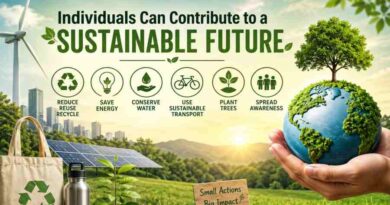
Using public transport, recycling waste, and saving electricity can lower emissions.
Save Water
Efficient water use helps during drought conditions.
Spread Awareness
Education and awareness encourage people to adopt eco-friendly habits.
Strong Government Policies
Governments can create laws to reduce emissions and improve disaster preparedness.
Role of Technology
Modern technology is helping countries monitor climate conditions and predict disasters earlier. Satellite systems, weather forecasting tools, and artificial intelligence are improving disaster warning systems. Early warnings can save lives by giving people enough time to evacuate before disasters strike.
Summary
Climate change and natural disasters are closely connected. Rising global temperatures are making floods, heatwaves, cyclones, droughts, and wildfires more intense and frequent. If proper action is not taken, future generations may face even greater environmental challenges.
Protecting the planet requires global cooperation, responsible behavior and sustainable development. Every individual, community, and government has a role to play in reducing pollution and protecting nature. By acting today, humanity can reduce the dangers of climate change and create a safer future for the Earth.
Also Check: Environment