Environmental Governance – Meaning, Importance and Major Challenges in the Modern World
Learn about Environmental Governance: Meaning and Challenges, its importance, key principles, global role and major environmental issues faced today.
Environmental Governance
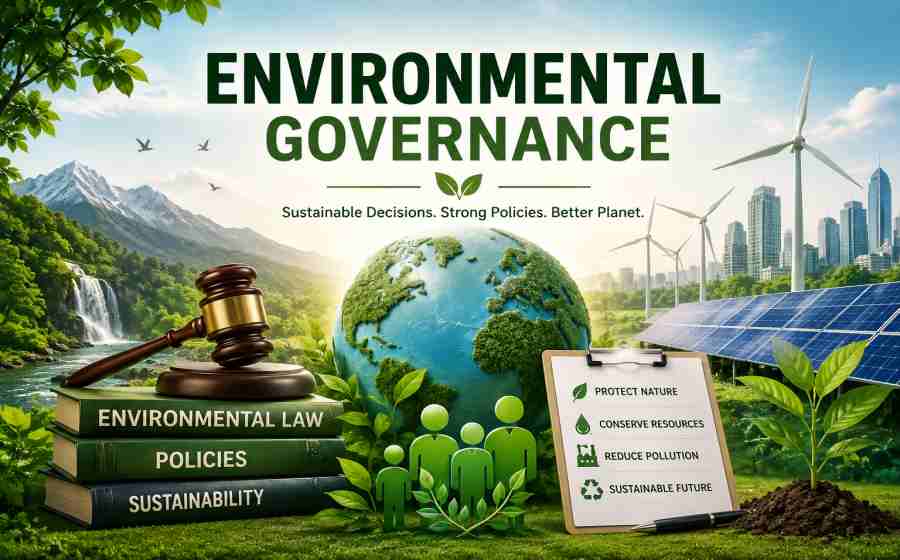
Environmental governance refers to the system of rules, policies, institutions, and processes through which governments, organizations, and societies manage environmental resources and address ecological problems. It includes decision-making related to pollution control, climate change, biodiversity conservation, waste management, and sustainable development. In today’s world, environmental governance has become extremely important because environmental problems are increasing rapidly due to industrialization, urbanization, deforestation, and excessive use of natural resources.
The environment supports all forms of life on Earth. Clean air, fresh water, fertile soil, forests, rivers, and oceans are essential for human survival. However, human activities have caused serious environmental damage over the past century. Rising global temperatures, natural disasters, water scarcity, and loss of biodiversity are warning signs that the planet is under pressure. Governance of Environment aims to create balance between economic development and environmental protection.
Table of Contents
Meaning of Environmental Governance
Environmental governance is the framework through which environmental policies are developed and implemented. It involves cooperation among governments, private companies, international organizations, local communities, and citizens. The main goal is to ensure sustainable use of natural resources while protecting ecosystems for future generations.
Governance is not limited to laws alone. It also includes public participation, transparency, accountability, environmental awareness, and scientific research. Effective environmental governance ensures that environmental decisions are fair, scientifically informed, and beneficial for society as a whole.
For example, governments may create laws to reduce pollution, industries may adopt eco-friendly technologies, and citizens may participate in tree plantation drives or recycling programs. Together, these actions contribute to Governance of Environment.
Importance of Environmental Governance
1. Protection of Natural Resources
Environmental governance helps conserve forests, rivers, wildlife, minerals, and other natural resources. Without proper management, these resources may become depleted.
2. Control of Pollution
Strong environmental policies help reduce air, water, and soil pollution. Governments set standards for industries and vehicles to limit harmful emissions.
3. Climate Change Mitigation
Environmental governance plays a major role in controlling climate change through renewable energy promotion, carbon reduction strategies, and international agreements.
4. Sustainable Development
It promotes development that meets present needs without harming the ability of future generations to meet their own needs.
5. Public Health Protection
Clean environments reduce diseases caused by polluted air and contaminated water. Proper waste management and sanitation improve public health.
Key Elements of Environmental Governance
Environmental Laws and Policies
Governments create laws and regulations to protect the environment. These laws may regulate industrial emissions, forest conservation, wildlife protection, and waste disposal.
International Cooperation
Environmental problems often cross national borders. Therefore, countries work together through international agreements and organizations to tackle global issues.
Public Participation
Citizens, NGOs, and local communities play an important role in environmental protection. Public awareness and participation strengthen governance systems.
Transparency and Accountability
Governments and industries must be transparent about environmental impacts and accountable for environmental damage.
Scientific Research and Technology
Scientific studies help identify environmental risks and develop sustainable technologies to reduce ecological damage.
Environmental Governance in India
India has developed several laws and institutions to protect the environment. The government has established environmental ministries, pollution control boards, and conservation programs. Important environmental laws include:
- Environment Protection Act, 1986
- Wildlife Protection Act, 1972
- Water (Prevention and Control of Pollution) Act, 1974
- Air (Prevention and Control of Pollution) Act, 1981
India also participates in international environmental agreements and promotes renewable energy projects like solar and wind power. Campaigns such as Swachh Bharat Abhiyan and river-cleaning missions are examples of environmental governance efforts.
Despite these initiatives, environmental challenges continue to affect many parts of the country due to population growth, industrial expansion, and weak enforcement of laws.
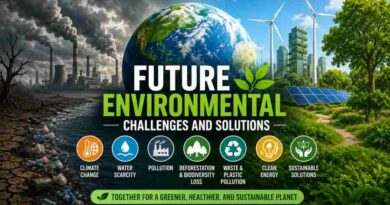
Major Challenges of Environmental Governance
1. Climate Change
Climate change is one of the biggest global environmental challenges. Rising temperatures, melting glaciers, floods, droughts, and extreme weather events are becoming more common. Many countries struggle to reduce greenhouse gas emissions while maintaining economic growth.
2. Pollution
Air pollution, water pollution, and plastic waste continue to harm ecosystems and human health. Industrial waste, vehicle emissions, and improper garbage disposal worsen environmental conditions.
3. Deforestation
Forests are being destroyed for agriculture, urban development, and industrial activities. Deforestation leads to biodiversity loss, soil erosion, and increased carbon dioxide levels.
4. Weak Enforcement of Laws
In many regions, environmental laws exist but are not properly enforced. Corruption, lack of resources, and political pressure often weaken environmental protection systems.
5. Lack of Public Awareness
Many people are still unaware of environmental problems and sustainable practices. Without public support, environmental policies become less effective.
6. Industrial and Economic Pressure
Industries often prioritize profit over environmental protection. Governments may also hesitate to enforce strict environmental rules due to concerns about economic growth and employment.
7. Loss of Biodiversity
Many plant and animal species are becoming extinct due to habitat destruction, pollution, and climate change. Protecting biodiversity remains a major challenge.
8. Water Scarcity
Rapid population growth and overuse of water resources have created severe water shortages in many areas. Poor water management increases the crisis.
Role of Citizens in Environmental Governance
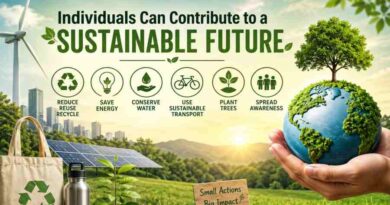
Citizens play an important role in environmental protection. Individuals can contribute by:
- Reducing plastic use
- Conserving water and electricity
- Planting trees
- Using public transport
- Recycling waste
- Supporting eco-friendly products
- Participating in environmental campaigns
Public awareness and responsible behavior can significantly improve environmental conditions.
Future of Environmental Governance
The future of Governance of Environment depends on global cooperation, technological innovation, and public participation. Governments must strengthen environmental laws and ensure strict implementation. Renewable energy, green technologies, sustainable agriculture, and eco-friendly industries can help create a healthier planet.
Education and awareness are also essential. Schools, colleges, media, and social organizations should promote environmental responsibility among people. If governments, businesses, and citizens work together, environmental governance can help build a sustainable and balanced future.
Summary
Environmental governance is essential for protecting the Earth and ensuring sustainable development. It involves laws, policies, public participation, and international cooperation aimed at conserving natural resources and reducing environmental damage. Although many countries have taken important steps toward environmental protection, serious challenges such as climate change, pollution, deforestation, and weak law enforcement continue to threaten the environment.
Effective environmental governance requires cooperation from governments, industries, and citizens alike. By adopting sustainable practices and strengthening environmental policies, humanity can protect nature and create a healthier future for coming generations.
Also Check: Environment