Environmental Conservation – Meaning, Importance and Major Challenges
Learn about Environmental Conservation, its meaning, importance, methods and major global challenges threatening nature and sustainable development.
Environmental Conservation
Environmental conservation refers to the protection, preservation, and careful management of natural resources such as forests, water, wildlife, soil, and air. It aims to maintain the balance of nature and ensure that future generations can enjoy a healthy and sustainable environment. In today’s rapidly developing world, environmental conservation has become one of the most important global concerns because human activities are causing severe damage to ecosystems and biodiversity.
The Earth provides all the resources necessary for human survival, including food, water, oxygen, and energy. However, overexploitation of these resources has led to pollution, climate change, deforestation, and the extinction of many species. Environmental conservation encourages responsible use of natural resources and promotes practices that reduce environmental damage.
Table of Contents
Meaning of Environmental Conservation
Environmental conservation means protecting the natural environment from destruction and restoring damaged ecosystems. It involves reducing pollution, conserving energy, planting trees, protecting wildlife, and promoting sustainable development. Conservation does not mean stopping development completely; instead, it focuses on using resources wisely without harming nature.
The concept of environmental conservation became more important during the 20th century when industrialization and urbanization increased rapidly. Factories, vehicles, and excessive consumption began polluting the environment at an alarming rate. As a result, governments, organizations, and environmental activists started promoting conservation measures to protect the planet.
Importance of Environmental Conservation
1. Protection of Biodiversity
Biodiversity includes all living organisms such as plants, animals, birds, and microorganisms. Every species plays a role in maintaining ecological balance. Environmental conservation helps protect endangered species and prevents the destruction of natural habitats.
2. Control of Pollution
Air pollution, water pollution, and soil pollution have harmful effects on human health and ecosystems. Conservation efforts reduce pollution by promoting clean energy, recycling, and proper waste management.
3. Prevention of Climate Change
Excessive greenhouse gas emissions from industries and vehicles contribute to global warming. Environmental conservation supports renewable energy sources like solar and wind energy, which help reduce carbon emissions.
4. Sustainable Use of Resources
Natural resources such as water, minerals, forests, and fossil fuels are limited. Conservation ensures that these resources are used carefully and remain available for future generations.
5. Improvement of Human Health
A clean environment provides fresh air, safe drinking water, and healthy food. Environmental conservation reduces diseases caused by pollution and improves overall quality of life.
Methods of Environmental Conservation
Afforestation and Reforestation
Planting trees is one of the most effective ways to conserve the environment. Trees absorb carbon dioxide, provide oxygen, prevent soil erosion, and support wildlife habitats.
Recycling and Waste Management
Recycling materials like paper, plastic, glass, and metal reduces waste and conserves natural resources. Proper waste management also prevents land and water pollution.
Conservation of Water
Water conservation methods such as rainwater harvesting, reducing water wastage, and protecting rivers and lakes are essential for sustainable living.
Use of Renewable Energy
Renewable energy sources like solar power, wind energy, and hydropower reduce dependence on fossil fuels and decrease environmental pollution.
Wildlife Protection
National parks, wildlife sanctuaries, and conservation programs help protect endangered species from hunting and habitat destruction.
Major Challenges to Environmental Conservation
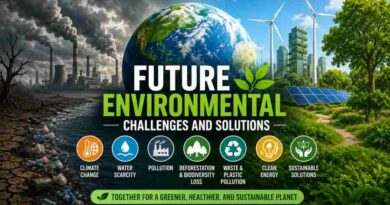
Despite growing awareness, environmental conservation faces many challenges across the world.
1. Deforestation
Forests are being destroyed for agriculture, urban development, mining, and industrial activities. Deforestation leads to loss of biodiversity, soil erosion, and increased carbon dioxide levels in the atmosphere.
2. Pollution
Industrial waste, plastic pollution, chemical fertilizers, and vehicle emissions continue to pollute air, water, and soil. Plastic waste in oceans has become a major environmental problem affecting marine life.
3. Climate Change
Global warming caused by greenhouse gas emissions has resulted in rising temperatures, melting glaciers, floods, droughts, and extreme weather conditions. Climate change threatens ecosystems and human communities worldwide.
4. Overpopulation
Rapid population growth increases the demand for food, water, energy, and land. This puts immense pressure on natural resources and leads to environmental degradation.
5. Loss of Wildlife
Illegal hunting, habitat destruction, and pollution are causing many species to become endangered or extinct. The disappearance of wildlife disturbs ecological balance.
6. Lack of Awareness
Many people are still unaware of environmental issues and their long-term consequences. Lack of education and public participation makes conservation efforts less effective.
7. Industrialization and Urbanization
Rapid industrial growth and expansion of cities often occur at the cost of forests, rivers, and agricultural land. Factories and construction activities contribute heavily to pollution.
Role of Individuals in Environmental Conservation
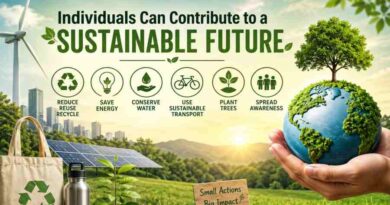
Every individual can contribute to protecting the environment through simple daily actions. Saving electricity, reducing plastic use, planting trees, conserving water, and using public transport are effective steps. People should also support eco-friendly products and spread awareness about environmental protection.
Students and young people can participate in cleanliness drives, recycling campaigns, and environmental education programs. Small efforts by millions of people can create a significant positive impact on the planet.
Government and Global Efforts
Governments across the world have introduced laws and policies to protect the environment. International agreements such as the United Nations climate initiatives encourage countries to reduce pollution and promote sustainable development.
Programs like wildlife protection acts, pollution control laws, and renewable energy projects are helping conserve natural resources. Environmental organizations also play an important role in spreading awareness and conducting conservation activities.
Summary
Environmental conservation is essential for maintaining the balance of nature and ensuring a healthy future for humanity. Human activities have caused serious environmental problems, but collective efforts can still protect the Earth. Conservation requires cooperation among governments, industries, organizations, and individuals.
By reducing pollution, conserving natural resources, protecting wildlife, and adopting sustainable practices, society can create a cleaner and safer world. Environmental conservation is not only a responsibility but also a necessity for the survival of present and future generations.
Also Check: Environment