Togo – History, Culture, Sports and Fascinating Facts About West Africa’s Hidden Gem
Discover Togo’s history, culture, sports, geography, economy and key facts. Explore this fascinating West African nation in a simple and informative overview.
Togo
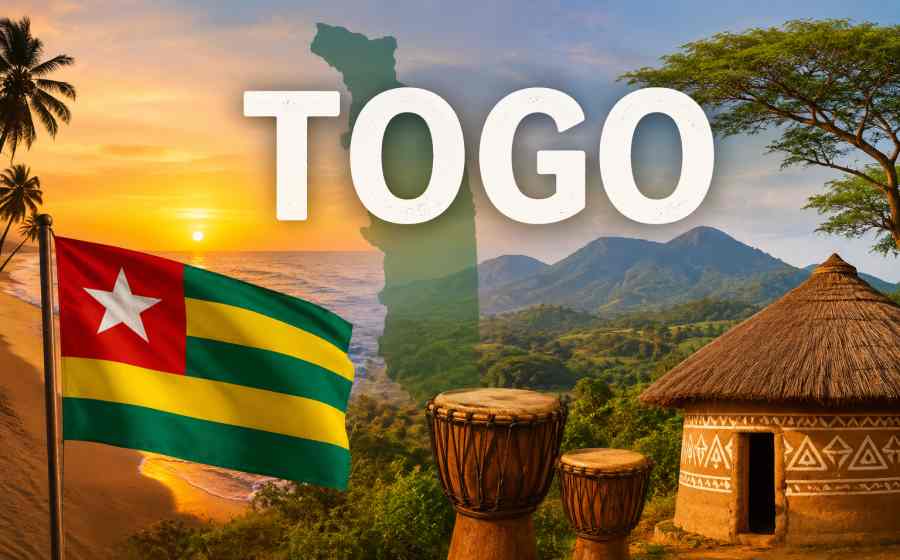
Togo is a small yet culturally rich country located in West Africa. Despite covering a relatively small area, it is known for its diverse ethnic groups, vibrant traditions, scenic landscapes, and welcoming people. Stretching from the Gulf of Guinea in the south to the savannas in the north, Togo offers a remarkable blend of coastal beauty, mountains, forests, and fertile plains.
The country has a fascinating history shaped by ancient kingdoms, European colonial rule, and its journey toward independence. Today, Togo continues to develop its economy while preserving its unique cultural heritage. Whether through traditional festivals, colorful markets, football achievements, or historical landmarks, Togo holds an important place in West Africa.
Table of Contents
Geography of Togo
Togo shares borders with Ghana to the west, Benin to the east, and Burkina Faso to the north. The southern part of the country lies along the Atlantic Ocean, providing access to the Gulf of Guinea.
Although narrow in width, Togo features diverse landscapes, including:
- Sandy beaches along the coastline
- Rolling hills and mountains in the central region
- Tropical forests
- Fertile agricultural plains
- Northern savannas
The country’s climate varies from tropical in the south to semi-arid in the north. Rainfall supports farming, while the coastal areas experience warm temperatures throughout the year.
- Capital: Lomé
- Official Language: French
- Currency: West African CFA Franc (XOF)
- Area: Approximately 56,785 square kilometers
- Population: Around 9 million (estimated)
History of Togo
The history of Togo dates back centuries when several ethnic communities established settlements across the region. Various kingdoms and traditional societies thrived through agriculture, trade, and craftsmanship. During the late 19th century, Togo became a German colony known as Togoland. Germany developed infrastructure, including railways and plantations, making it one of its most economically productive African colonies.
Following Germany’s defeat in World War I, the territory was divided between Britain and France under League of Nations mandates. British Togoland later joined Ghana, while French Togoland eventually became the modern nation of Togo.
On April 27, 1960, Togo gained independence from France. Since independence, the country has experienced periods of political change, economic reforms, and efforts toward democratic development.
Today, Togo continues working toward sustainable growth while strengthening education, healthcare, and infrastructure.
Culture and Traditions
Togo’s culture reflects the traditions of more than 40 ethnic groups, each contributing unique customs, languages, dances, and artistic expressions.
Family and community play central roles in everyday life. Traditional ceremonies celebrate births, marriages, harvests, and important cultural events.
Languages
Although French is the official language used in government and education, many local languages are widely spoken, including:
- Ewe
- Kabye
- Mina
- Tem
These languages help preserve cultural identity across different regions.
Music and Dance
Traditional music is an essential part of Togolese culture. Performances often feature:
- Talking drums
- Xylophones
- Flutes
- Percussion instruments
Dance accompanies festivals, religious ceremonies, and social gatherings. Each ethnic group has distinctive dance styles that have been passed down for generations.
Traditional Clothing
Colorful printed fabrics are commonly worn during festivals and celebrations. Men and women often wear beautifully designed garments reflecting local traditions and regional identities.
Food of Togo
Togolese cuisine combines locally grown crops with flavorful spices and fresh ingredients. Popular foods include:
- Fufu (pounded yam or cassava)
- Maize dishes
- Rice
- Beans
- Grilled fish
- Chicken stews
- Peanut-based sauces
Fresh tropical fruits such as mangoes, pineapples, bananas, and papayas are also widely enjoyed.
Economy of Togo
Agriculture remains one of the country’s most important economic sectors.
Major agricultural products include:
- Cotton
- Coffee
- Cocoa
- Maize
- Cassava
- Yams
Togo is also known for producing phosphate, one of its most valuable mineral resources and an important export. The Port of Lomé serves as a major transportation and trade center for several neighboring landlocked countries, contributing significantly to regional commerce.
In recent years, Togo has invested in transportation, digital technology, and renewable energy to strengthen economic growth.
Sports in Togo
Football (soccer) is by far the most popular sport in Togo. Thousands of young players participate in local clubs and school competitions.
The national football team, known as the Sparrow Hawks, has represented the country in various international tournaments, including the FIFA World Cup and the Africa Cup of Nations.
Other sports enjoyed in Togo include:
- Athletics
- Basketball
- Volleyball
- Handball
- Cycling
Sports continue to inspire youth participation and national pride.
Tourism in Togo
Although smaller than many African destinations, Togo offers numerous attractions for visitors interested in culture, history, and nature. Popular attractions include:
- Beautiful Atlantic beaches
- Lomé Grand Market
- Traditional craft villages
- Mountain villages
- Waterfalls
- Wildlife reserves
- Sacred forests
Tourists also enjoy experiencing traditional festivals, local cuisine, and handcrafted artwork.
Education and Development
Education has become an important national priority in Togo. The government continues expanding access to schools while improving literacy rates.
Higher education institutions offer programs in science, engineering, medicine, agriculture, and business. International organizations also support educational development, healthcare improvements, and sustainable economic initiatives.
Interesting Facts About Togo
- Togo is one of the smallest countries in West Africa.
- Lomé is the only African capital located directly on the border with another country (Ghana).
- More than 40 ethnic groups live peacefully across the country.
- French is the official language, but many indigenous languages are widely spoken.
- Phosphate mining plays a major role in the national economy.
- Football is the country’s most popular sport.
- Togo gained independence on 27 April 1960.
- The Port of Lomé serves several neighboring countries.
- Traditional festivals remain an important part of cultural life.
- The country features beaches, forests, mountains, and savannas within a relatively small area.
Why Togo Is Important
Togo demonstrates how a small nation can preserve its cultural diversity while pursuing economic development and regional cooperation. Its strategic location, valuable mineral resources, agricultural production, and growing transportation network make it an important partner in West Africa.
Rich traditions, vibrant music, welcoming communities, and beautiful natural landscapes continue to attract travelers and researchers interested in African history and culture.
Summary
Togo is a fascinating West African nation with a rich historical background, colorful cultural traditions, growing economy, and strong passion for sports. From the lively streets of Lomé to the peaceful northern savannas, the country offers a unique combination of heritage and natural beauty. As Togo continues to develop while preserving its traditions, it remains an important and inspiring nation within Africa.
Also Check: General Knowledge