Mauritius – History, Culture, Sports, Geography and Key Facts About This Island Nation
Explore Mauritius, its history, culture, sports, geography, traditions, tourism, economy, and fascinating facts about this beautiful island nation.
Mauritius
Mauritius is a beautiful island nation in the Indian Ocean, known for its tropical landscapes, multicultural society, beaches, and fascinating history. Located east of Madagascar, the country is part of the Mascarene Islands and has developed into an important tourist, economic, and cultural destination. Its capital and largest city is Port Louis, a lively coastal city surrounded by mountains.
Mauritius is much more than a holiday destination. Its history reflects the influence of European, African, Indian, and Asian communities, while its culture combines languages, religions, food traditions, music, and festivals from different parts of the world. The country is also recognized for its political stability, strong tourism sector, and growing economy.
Table of Contents
History of Mauritius
Mauritius was uninhabited when European explorers began recording its presence. Portuguese sailors visited the island in the early 16th century, but they did not establish a permanent settlement. The Dutch later settled there during the 17th century and named the island after Prince Maurice of Nassau. The Dutch eventually abandoned the settlement.
The French took control of Mauritius in the 18th century and developed the island as a plantation colony. During this period, the island became known as Île de France. Sugar cultivation became increasingly important, and enslaved people from Africa and Madagascar were brought to the island to work on plantations.
In 1810, the British captured Mauritius during the Napoleonic Wars. British control was confirmed by the Treaty of Paris in 1814, and the island became known again as Mauritius. The plantation economy continued to rely heavily on sugar production.
Slavery was abolished in Mauritius in 1835. After abolition, large numbers of Indian workers arrived under the indentured labor system. Their arrival had a lasting influence on the country’s population, culture, language, cuisine, and religious traditions.
Mauritius gradually moved toward self-government and achieved independence from Britain on March 12, 1968. The country later became a republic on March 12, 1992.
Geography of Mauritius
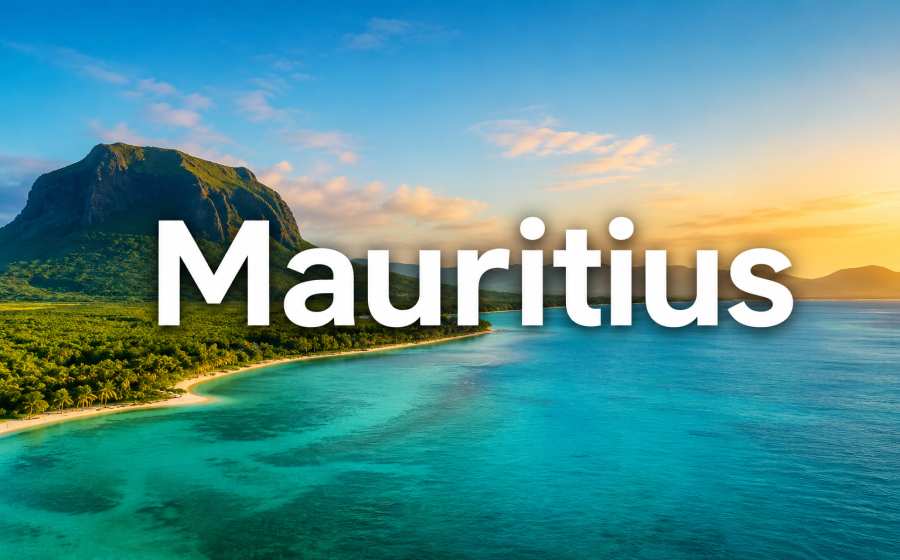
Mauritius is a volcanic island surrounded by the Indian Ocean. It is part of the Mascarene Islands and lies relatively close to Madagascar. The island has mountains, forests, lagoons, coral reefs, waterfalls, beaches, and fertile agricultural areas.
The country’s landscape is particularly famous for its combination of mountains and coastline. Piton de la Petite Rivière Noire, the highest point in Mauritius, rises to about 828 metres above sea level.
The climate is tropical, with warm temperatures for much of the year. The surrounding coral reefs provide protection for many coastal areas and support diverse marine life.
Culture and Traditions
Mauritian culture is highly diverse because people from different historical backgrounds have contributed to the country’s identity. Communities with African, Indian, Chinese, and European heritage live alongside one another.
Mauritius has several widely used languages. English is the official language for many government and administrative purposes, while French is widely spoken. Mauritian Creole is commonly used in everyday communication, and several ancestral languages are also maintained within communities.
Religion is another important part of Mauritian cultural life. Hinduism, Christianity, Islam, and Buddhism are among the major religious traditions practiced in the country. Religious festivals are often celebrated publicly and contribute to the country’s multicultural character.
Traditional music and dance are also important. Sega, a music and dance tradition with African and Creole roots, is one of the best-known cultural expressions of Mauritius. Sega performances often feature rhythmic drumming, singing, and dancing.
Food of Mauritius
Mauritian cuisine reflects the island’s multicultural history. Local dishes combine influences from Indian, African, Chinese, and French cooking.
Popular foods include dholl puri, a flatbread made with split peas and commonly served with curries and chutneys. Rougaille, a tomato-based dish influenced by French and Creole traditions, is also popular. Seafood is an important part of coastal cuisine, while rice, noodles, vegetables, spices, and tropical fruits are widely used.
Street food is an important part of everyday food culture, particularly in towns and markets.
Sports in Mauritius
Sports play an important role in Mauritian society. Football is one of the country’s most popular sports and has a strong following among local communities.
Athletics is another important sporting activity, and Mauritius has produced athletes who have competed internationally. Swimming, cycling, boxing, judo, and sailing are also practiced.
Mauritius has participated in the Olympic Games and the Commonwealth Games. The country won its first Olympic medal at the 2008 Beijing Olympics, when boxer Bruno Julie earned a bronze medal.
Cricket also has a following, particularly because of the country’s historical and cultural connections with the wider Indian Ocean and Commonwealth regions.
Economy of Mauritius
Mauritius has developed from an economy heavily dependent on sugar into a more diversified economy. Sugar remains an important agricultural product, but tourism, manufacturing, financial services, information technology, and other service industries have become significant.
Tourism is especially important because Mauritius attracts visitors with its beaches, coral reefs, marine activities, mountains, nature reserves, and cultural attractions.
The country is also known for its textile and apparel industry. Its strategic position in the Indian Ocean has helped Mauritius develop connections with markets in Africa, Asia, and Europe.
Tourism and Famous Attractions
Mauritius is internationally recognized for its scenic attractions. Port Louis offers visitors markets, museums, historical buildings, and views of surrounding mountains.
Black River Gorges National Park is known for forests, hiking trails, waterfalls, and native wildlife. Chamarel is famous for its colorful geological formations and nearby waterfalls.
The island’s beaches and lagoons are major attractions for visitors interested in swimming, snorkeling, diving, sailing, and other water activities.
Île aux Cerfs, a small island near the eastern coast, is another popular destination known for its beaches and recreational activities.
National Symbols of Mauritius
The national flag of Mauritius consists of four horizontal bands: red, blue, yellow, and green. These colors are associated with important aspects of the nation’s history and identity.
The national day of Mauritius is celebrated on March 12, marking the country’s independence in 1968 and its transition to a republic in 1992.
The dodo is one of the most famous symbols associated with Mauritius. The flightless bird became extinct after human settlement and the introduction of non-native animals disrupted its environment. Today, the dodo remains an important symbol of Mauritius and its natural heritage.
Interesting Facts About Mauritius
- Mauritius is an island country in the Indian Ocean.
- The capital city is Port Louis.
- Mauritius became independent in 1968.
- The country became a republic in 1992.
- English is the official language, while French and Mauritian Creole are widely used.
- Sega is an important traditional music and dance form.
- Sugarcane has historically played a major role in the economy.
- Tourism is one of the country’s leading economic sectors.
- The dodo is strongly associated with Mauritius.
- Mauritius is famous for its beaches, lagoons, coral reefs, and volcanic mountains.
- The highest point is Piton de la Petite Rivière Noire.
- Mauritius is part of the Mascarene Islands.
- Port Louis is both the political and commercial center of the country.
- The country has a highly diverse cultural heritage.
Summary
Mauritius is a remarkable island nation where history, culture, nature, and modern development come together. Its past has been shaped by Dutch, French, British, African, Indian, Chinese, and Creole influences, creating a distinctive national identity. From Sega music and multicultural festivals to sugarcane fields, mountain landscapes, coral reefs, and beautiful beaches, Mauritius offers a rich variety of attractions and traditions.
Its transformation into an independent and diversified nation has also made Mauritius an important country in the Indian Ocean region. Understanding its history, geography, culture, sports, economy, and national symbols provides a broader picture of this fascinating island nation.
Also Check: General Knowledge