Saint Lucia – History, Culture, Sports and Key Facts About This Island Nation
Explore Saint Lucia’s history, culture, geography, sports, traditions, economy, famous places and key facts about this beautiful Caribbean island nation.
Saint Lucia
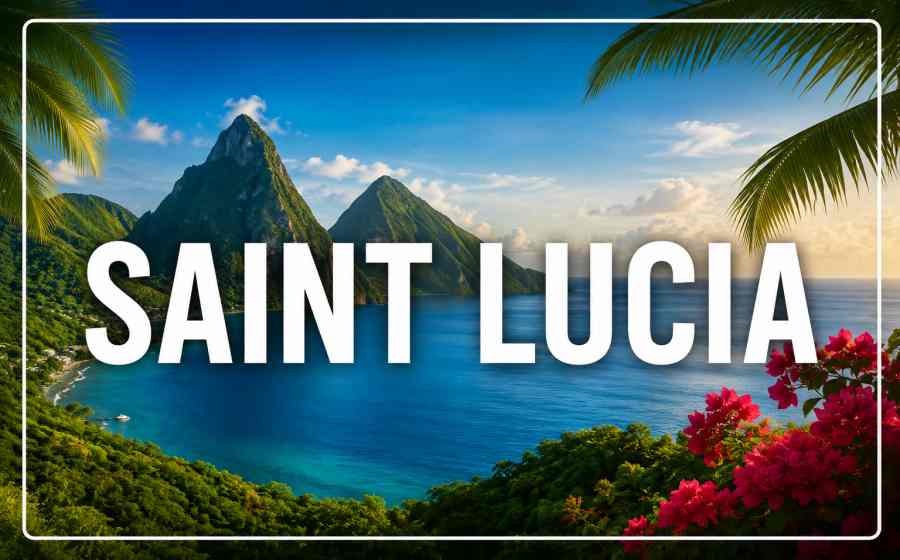
Saint Lucia is a beautiful island country in the eastern Caribbean Sea, known for its dramatic volcanic landscapes, tropical forests, sandy beaches, and vibrant culture. It is part of the Lesser Antilles and lies between Martinique to the north and Saint Vincent and the Grenadines to the south. The country is especially famous for the Pitons, two spectacular volcanic peaks that have become symbols of Saint Lucia.
Saint Lucia has a relatively small land area, but its natural beauty and rich heritage make it one of the most distinctive countries in the Caribbean. The capital and largest city is Castries, an important center for government, commerce, tourism, and transportation.
The island has a fascinating history shaped by Indigenous Caribbean communities, European colonial powers, African heritage, and later independence. Today, Saint Lucia is a sovereign member of the Commonwealth and has a culture that combines Caribbean traditions with influences from its colonial past.
Table of Contents
History of Saint Lucia
The early inhabitants of Saint Lucia included Indigenous peoples associated with the Arawak and Kalinago cultures. European exploration of the Caribbean began in the late 15th and early 16th centuries, bringing major changes to the island.
Saint Lucia became an area of competition between the French and British. Because of its strategic location and natural harbor, control of the island changed several times during the colonial period. Britain ultimately established firm control, and Saint Lucia became a British colony.
During the colonial era, plantations became an important part of the economy. Sugar production expanded, and enslaved Africans were brought to the island to provide labor. The abolition of slavery in the British Empire in the 19th century marked an important turning point in Saint Lucia’s history.
Saint Lucia gradually gained greater political self-government during the 20th century. It became an associated state of Britain in 1967, gaining substantial internal self-government.
On 22 February 1979, Saint Lucia became an independent nation. This date is celebrated every year as Saint Lucia’s Independence Day.
Geography of Saint Lucia
Saint Lucia is a volcanic island characterized by mountains, valleys, forests, beaches, and coastal areas. Its location gives it a warm tropical climate throughout much of the year.
The island’s most recognizable geographical feature is the Pitons, consisting of Gros Piton and Petit Piton. These steep volcanic formations rise dramatically from the coastline and are among the most famous natural landmarks in the Caribbean. The Pitons Management Area was designated a UNESCO World Heritage Site in 2004.
Saint Lucia also has fertile volcanic soil, which has supported agriculture over the centuries. Banana production became particularly important to the country’s economy during the 20th century.
The island’s natural environment includes tropical rainforests, waterfalls, coral reefs, and diverse plant and animal life.
Capital City – Castries
Castries is the capital and main urban center of Saint Lucia. It is located on the northwest coast and surrounds a natural harbor.
The city serves as the country’s principal commercial and administrative center. Government institutions, businesses, markets, shops, and transportation facilities are concentrated in and around Castries.
Important attractions in the capital and surrounding area include Derek Walcott Square, named after Saint Lucian poet and Nobel Prize winner Derek Walcott, as well as the Castries Market and historic buildings.
Culture and Traditions
Saint Lucian culture reflects a mixture of African, European, Caribbean, and Indigenous influences. Music, dance, festivals, food, religion, and traditional celebrations all contribute to the island’s cultural identity.
English is the official language, while Saint Lucian Creole French, commonly called Kwéyòl, is widely spoken and reflects the island’s French and Caribbean heritage.
Music is an important part of everyday cultural life. Soca, calypso, reggae, zouk, and other Caribbean musical styles are popular. Traditional dances and performances are also featured during national celebrations and festivals.
One of the country’s best-known cultural events is the Saint Lucia Carnival, which features music, dancing, colorful costumes, parades, and competitions. The island also celebrates Jounen Kwéyòl, or Creole Day, which highlights Saint Lucia’s Creole heritage through traditional food, clothing, music, and customs.
Food of Saint Lucia
Saint Lucian cuisine combines Caribbean ingredients with African, French, British, and other influences. Seafood is naturally important because of the island’s location.
Popular foods include green fig and saltfish, often regarded as the national dish. Green fig refers to unripe bananas, which are cooked and served with salted fish.
Other commonly enjoyed foods include fish dishes, seafood, plantains, rice, vegetables, soups, and various Creole-style preparations. Tropical fruits such as mangoes, papayas, pineapples, and bananas are also widely available.
Sports in Saint Lucia
Sports are an important part of Saint Lucian society. Cricket is particularly popular and has a strong connection with the country’s British colonial heritage. Saint Lucian cricketers have represented the West Indies at international level.
Athletics is another important sport. Saint Lucia has produced notable athletes who have competed internationally in track and field.
The country also participates in football, swimming, sailing, boxing, basketball, and other sports. Water sports benefit from the island’s beaches and surrounding Caribbean waters, making activities such as sailing, diving, snorkeling, and windsurfing popular among residents and visitors.
Saint Lucia’s most celebrated sporting achievement came in 2021, when Julien Alfred won an Olympic silver medal in the women’s 100 metres at the Tokyo Olympics. She later became a global athletics star, adding significantly to Saint Lucia’s sporting profile.
Tourism in Saint Lucia
Tourism is one of the major pillars of Saint Lucia’s economy. Visitors are attracted by its beaches, mountains, rainforests, volcanic landscapes, resorts, and cultural experiences.
The Pitons are among the country’s most popular attractions. Travelers also visit Soufrière, a historic town located near the Pitons and the island’s volcanic region.
The Sulphur Springs area is famous for its geothermal activity and is often described as the world’s only drive-in volcano. Visitors can explore the volcanic landscape and experience mineral-rich mud and hot springs.
Saint Lucia also offers opportunities for hiking, diving, snorkeling, sailing, whale and dolphin watching, and exploring tropical forests.
Economy of Saint Lucia
Saint Lucia has a service-oriented economy in which tourism plays a major role. The hospitality industry supports hotels, restaurants, transportation services, entertainment, and numerous other businesses.
Agriculture has also historically been important. Bananas were once one of the country’s most significant exports. Other agricultural products include coconuts, cocoa, vegetables, and tropical fruits.
The country also benefits from financial services, manufacturing, construction, and other service industries.
Famous People from Saint Lucia
Saint Lucia has produced several internationally recognized figures, particularly in literature and sports.
Derek Walcott was one of the country’s most famous literary figures. Born in Castries, he became an internationally acclaimed poet and playwright and received the Nobel Prize in Literature in 1992.
Another notable Saint Lucian figure is Sir William Arthur Lewis, an economist who was born in Saint Lucia. He received the Nobel Memorial Prize in Economic Sciences in 1979 for his pioneering work on economic development.
In athletics, Julien Alfred has become one of Saint Lucia’s most prominent modern sporting personalities.
National Symbols and Key Facts
Saint Lucia’s national identity is represented by its flag, anthem, and other symbols. The national flag has a blue background with distinctive triangular shapes in black, white, and gold. The design is strongly associated with the island’s Caribbean identity and natural environment.
Here are some important facts about Saint Lucia:
- Official Name: Saint Lucia
- Capital: Castries
- Region: Caribbean
- Continent: North America
- Independence: 22 February 1979
- Official Language: English
- Widely Spoken Language: Saint Lucian Creole French (Kwéyòl)
- Currency: Eastern Caribbean Dollar (XCD)
- Government: Parliamentary democracy and constitutional monarchy
- Famous Mountains: Gros Piton and Petit Piton
- UNESCO World Heritage Site: Pitons Management Area
- National Dish: Green fig and saltfish
- Major Economic Sector: Tourism
- Popular Sport: Cricket
- Famous Literary Figure: Derek Walcott
- Famous Economist: Arthur Lewis
- National Independence Day: 22 February
Summary
Saint Lucia is a remarkable Caribbean nation where spectacular volcanic scenery, colorful traditions, and a complex historical heritage come together. From the iconic Pitons and lush rainforests to Castries, Creole traditions, cricket, literature, and vibrant festivals, the island offers a rich subject for learning about Caribbean geography and culture.
Its independence in 1979 marked the beginning of a new national chapter, while figures such as Derek Walcott, Arthur Lewis, and Julien Alfred have helped Saint Lucia gain international recognition. Today, tourism, culture, sports, and its extraordinary natural environment continue to shape the identity of this fascinating island country.
Also Check: General Knowledge