Barbados – History, Culture, Tourism, Sports and Key Facts
Discover Barbados through its history, culture, sports, geography, economy and key facts. Learn why this Caribbean island is globally famous.
Barbados
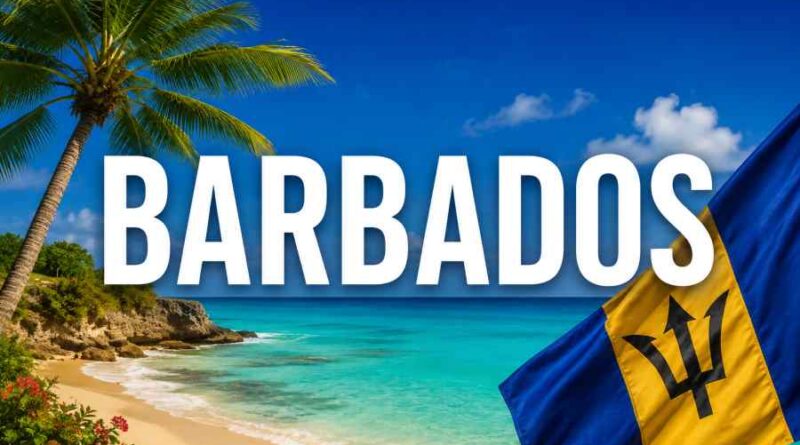
Barbados is a beautiful island nation in the Caribbean known for its turquoise waters, sandy beaches, vibrant culture, historic towns and strong sporting traditions. Located in the eastern Caribbean, Barbados has developed a distinctive national identity shaped by Indigenous heritage, British colonial history, African influences and Caribbean traditions. Its capital and largest city, Bridgetown, is both a modern commercial centre and an important historic destination.
Although Barbados is relatively small, its influence extends far beyond its geographical size. The country is internationally recognized for cricket, tourism, music and cultural traditions. It is also the birthplace of global entertainer Rihanna, while legendary cricketer Sir Garfield Sobers remains one of the country’s most celebrated sporting figures.
Table of Contents
Geography of Barbados
Barbados is an island country situated in the Atlantic Ocean, east of the main chain of the Lesser Antilles. Its location gives it a distinctive geographical position in the Caribbean region. The island covers roughly 430 square kilometres and is characterized by gently rolling terrain, coastal plains and beautiful beaches.
The capital, Bridgetown, is located on the southwestern coast. The island’s coastline includes numerous beaches, bays and coral formations that contribute significantly to its tourism appeal.
Barbados has a tropical climate, with generally warm temperatures throughout the year. Its natural environment, coastline and marine attractions make it popular for swimming, sailing, diving and other water-based activities.
History of Barbados
The history of Barbados began long before European colonization. Indigenous peoples, including Arawak and Carib communities, inhabited the island before European settlement. Archaeological evidence indicates that human settlement in Barbados dates back thousands of years.
Portuguese sailors encountered the island during the early period of European exploration and referred to it as Los Barbados, a name associated with the island’s bearded fig trees. English settlement began in the 17th century, and Barbados subsequently became an important British colony.
The introduction and expansion of sugarcane transformed Barbadian society and the economy. Large plantations developed, and the island became heavily dependent on sugar production. This economic system was closely connected with the forced enslavement of Africans, leaving a profound influence on Barbados’ social and cultural development.
Slavery was abolished in the British Empire in the 19th century, and Barbadian society gradually underwent major political and economic changes. The country eventually moved toward greater self-government and achieved independence from Britain on November 30, 1966.
A major constitutional development occurred in 2021, when Barbados became a parliamentary republic, replacing the British monarch as its head of state while maintaining its parliamentary democratic system.
Bridgetown and Its UNESCO Heritage
Bridgetown is one of the most historically significant places in Barbados. Its history is closely linked with trade, colonial administration, maritime activity and the development of the sugar economy.
Historic Bridgetown and its Garrison was added to the UNESCO World Heritage List in 2011. The site reflects the town’s colonial architecture, street layout, military history and importance as a major Atlantic port.
The historic area contains important buildings and landmarks that illustrate different periods of Barbadian history. Today, Bridgetown remains an important commercial, cultural and governmental centre.
Culture and Traditions of Barbados
Barbadian culture is a fascinating combination of African, European and Caribbean influences. Barbadians are commonly known as Bajans, and the island has developed its own distinctive traditions, cuisine, music and way of life.
English is the official language, while Bajan, a local variety of English, is widely used in informal communication. Bajan vocabulary and speech patterns reflect the island’s historical and cultural development.
Music and dance are important elements of Barbadian culture. Calypso, soca and other Caribbean musical traditions are popular, particularly during festivals and celebrations.
One of the country’s most famous cultural events is Crop Over, a festival with historical connections to the end of the sugarcane harvest. Today, it has become a major celebration featuring music, costumes, performances and cultural activities.
Barbadian cuisine also reflects the island’s heritage. Flying fish and cou-cou are particularly associated with Barbados and are widely regarded as a signature national dish. Seafood, rice, vegetables and locally influenced preparations are important parts of the country’s food culture.
Sports in Barbados
Sports play an important role in Barbadian society, with cricket holding a particularly special position. Barbados has produced several outstanding cricketers who have represented the West Indies at the highest level.
One of the country’s most famous athletes is Sir Garfield Sobers, widely regarded as one of cricket’s greatest all-rounders. His achievements helped establish Barbados as an important centre of cricketing talent.
Cricket continues to be deeply embedded in Barbadian culture, from international competitions to local matches. The island has also hosted major cricket events and is associated with the Kensington Oval, one of the Caribbean’s best-known cricket grounds.
Apart from cricket, Barbadians participate in athletics, football, swimming, sailing and other sports. The country’s athletes have represented Barbados in major international competitions, including the Olympic Games.
Tourism and Economy
Tourism is one of the most important sectors of the Barbadian economy. The country’s beaches, historical attractions, cultural events and warm climate attract visitors from around the world. The government identifies tourism as the country’s main foreign-exchange earner, while agriculture, financial services and other sectors also contribute to the economy.
Sugarcane has historically played a major role in Barbados. Although its economic importance has changed over time, agriculture remains part of the island’s heritage.
Barbados has also developed financial and business services, adding greater diversity to its modern economy.
Rihanna and Barbados’ Global Influence
Barbados has produced several internationally recognized personalities, but perhaps none has achieved greater global fame in modern popular culture than Robyn Rihanna Fenty, professionally known as Rihanna.
Born in Barbados in 1988, Rihanna became a globally successful singer, entrepreneur and cultural figure. Her international success has helped bring additional attention to her home country. Barbados has celebrated her achievements and recognized her contribution to the country’s international profile.
Interesting Facts About Barbados
Here are some important Barbados facts for general knowledge:
- Capital: Bridgetown
- Official language: English
- Common local speech: Bajan
- Currency: Barbadian dollar (BBD)
- Independence: November 30, 1966
- Political system: Parliamentary republic
- Major sport: Cricket
- UNESCO World Heritage Site: Historic Bridgetown and its Garrison
- Famous Barbadian: Rihanna
- Legendary sportsperson: Sir Garfield Sobers
- Major festival: Crop Over
- Traditional national dish: Cou-cou and flying fish
- Major economic sector: Tourism
Summary
Barbados is an excellent country combines geography, colonial history, independence, culture, politics, tourism and sports within a relatively small island nation. Its history illustrates the transformation of a Caribbean plantation society into an independent modern state, while its cultural identity demonstrates the lasting influence of African, European and Caribbean traditions.
From historic Bridgetown and its UNESCO heritage to world-famous cricket players and Rihanna’s international career, Barbados has made a remarkable contribution to Caribbean and global culture. Its journey from British colony to independent nation and later parliamentary republic makes it an important country to understand in world geography.
Barbados is much more than a tropical holiday destination. It is a country with a complex history, vibrant cultural identity, internationally respected sporting tradition and growing global influence. Understanding Barbados provides valuable insight into the history and development of the Caribbean region.
Also Check: General Knowledge