Dominican Republic – History, Tourism, Culture, Sports and Key Facts
Discover the Dominican Republic through its colorful traditions, historic landmarks, natural beauty, famous sports, unique culture and remarkable heritage.
Dominican Republic
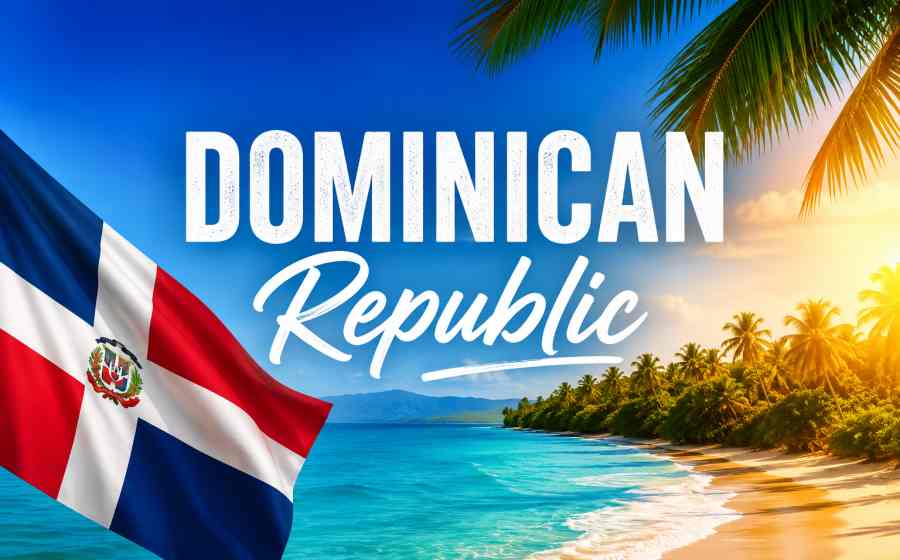
The Dominican Republic is one of the most beautiful and culturally rich countries in the Caribbean. Known for its tropical beaches, lively music, colorful festivals, and warm hospitality, it shares the island of Hispaniola with Haiti. The country attracts millions of tourists every year because of its pleasant climate, historic landmarks, and stunning natural scenery.
Apart from tourism, the Dominican Republic has a fascinating history, a vibrant culture influenced by Europe, Africa, and the indigenous Taíno people, and a growing economy. It is also famous for producing world-class baseball players and for its energetic dance styles like Merengue and Bachata.
Table of Contents
Location and Geography
The Dominican Republic is located in the Caribbean Sea and occupies the eastern two-thirds of the island of Hispaniola. Haiti lies to its west, while the Atlantic Ocean borders the north and the Caribbean Sea borders the south.
The country’s landscape is diverse, featuring mountain ranges, fertile valleys, rivers, forests, and long coastlines with white sandy beaches. The highest peak in the Caribbean, Pico Duarte, is located in the Dominican Republic and rises to about 3,098 meters (10,164 feet).
The climate is tropical, with warm temperatures throughout the year. Rainfall varies by region, supporting lush vegetation and agricultural activities.
Capital and Major Cities
The capital city is Santo Domingo, which is also the largest city in the country. It is considered the oldest continuously inhabited European-established city in the Americas.
Other important cities include:
- Santiago de los Caballeros
- La Romana
- San Pedro de Macorís
- Puerto Plata
- Punta Cana (major tourist destination)
Brief History
Before European arrival, the island was inhabited by the Taíno people, who developed organized communities based on agriculture, fishing, and trade.
In 1492, Christopher Columbus reached the island during his first voyage to the Americas. Soon afterward, Spanish settlements were established, making Santo Domingo one of Spain’s earliest colonial centers in the New World.
During the colonial period, African slaves were brought to work on plantations, contributing significantly to the country’s cultural diversity.
The Dominican Republic declared independence from Haiti on 27 February 1844, a date celebrated every year as Independence Day. Throughout the 19th and 20th centuries, the country experienced political instability, foreign intervention, and periods of dictatorship before gradually developing into a democratic republic. Today, it is one of the Caribbean’s largest economies and an important regional tourism hub.
Government and Political System
The Dominican Republic is a democratic republic with a president serving as both the head of state and head of government.
The government consists of three main branches:
- Executive
- Legislative
- Judicial
Regular elections are held, and citizens vote to choose their national leaders.
Population and Language
The Dominican Republic has a population of over 11 million people. The official language is Spanish, although English is widely spoken in tourist areas.
The country’s population reflects a blend of European, African, and indigenous Taíno heritage, making it one of the Caribbean’s most culturally diverse nations.
Culture and Traditions
Dominican culture is colorful, energetic, and deeply connected to music, dance, religion, and family traditions.
Family plays a central role in everyday life, with strong relationships among relatives and close-knit communities.
Traditional celebrations often include music, dancing, food, and religious ceremonies. The nation is especially famous for:
- Merengue music
- Bachata music
- Carnival celebrations
- Colorful parades
- Community festivals
Dominicans are known for their friendly nature and hospitality toward visitors.
Traditional Food
Dominican cuisine combines Spanish, African, and indigenous influences. Popular dishes include:
- La Bandera (rice, beans, and meat)
- Sancocho (traditional stew)
- Mangú (mashed plantains)
- Tostones (fried plantains)
- Fresh seafood
- Tropical fruits
- Coconut-based desserts
Coffee and cocoa produced in the country are also highly regarded.
Festivals
Several festivals are celebrated throughout the year. Some of the most famous are:
- Dominican Carnival
- Independence Day (27 February)
- Holy Week celebrations
- Merengue Festival
- Local cultural fairs
- Christmas festivities
Music, dance, costumes, and traditional food are central parts of these celebrations.
Economy
The Dominican Republic has one of the strongest economies in the Caribbean. Major sectors include:
- Tourism
- Agriculture
- Manufacturing
- Mining
- Construction
- Financial services
The country exports products such as:
- Sugar
- Coffee
- Cocoa
- Tobacco
- Medical equipment
- Gold
- Ferronickel
Tourism remains the largest contributor to economic growth, with millions of international visitors arriving each year.
Sports
Baseball is by far the most popular sport in the Dominican Republic. The country has produced many internationally recognized Major League Baseball players who have achieved success in the United States and around the world.
Other popular sports include:
- Basketball
- Volleyball
- Football (Soccer)
- Athletics
- Boxing
Local baseball leagues enjoy enormous public support, and young athletes often dream of becoming professional players.
Education
Education has expanded significantly over recent decades. Primary and secondary schooling are widely available, while universities offer higher education in various fields.
The government continues investing in improving literacy, school infrastructure, and educational opportunities across the country.
Tourism
Tourism is one of the country’s biggest strengths. Popular attractions include:
- Punta Cana beaches
- Santo Domingo’s Colonial Zone
- Pico Duarte
- Los Haitises National Park
- Saona Island
- Puerto Plata
- Jarabacoa mountains
Visitors enjoy beaches, eco-tourism, adventure sports, historical sites, and luxury resorts.
Wildlife and Natural Beauty
The Dominican Republic is home to tropical forests, mangroves, coral reefs, caves, waterfalls, and unique wildlife.
Protected national parks help conserve many native plant and animal species. Its biodiversity makes it one of the Caribbean’s most environmentally significant countries.
Interesting Facts
- The Dominican Republic occupies the eastern part of Hispaniola.
- Santo Domingo is the oldest continuously inhabited European-established city in the Americas.
- Spanish is the official language.
- Baseball is the national passion.
- Merengue and Bachata originated in the Dominican Republic.
- Pico Duarte is the highest mountain in the Caribbean.
- Tourism is the country’s largest economic sector.
- The country has hundreds of beautiful beaches.
- Coffee and cocoa are important agricultural products.
- Independence Day is celebrated on 27 February.
Summary
The Dominican Republic is a fascinating Caribbean nation with a rich history, vibrant traditions, breathtaking landscapes, and a strong sporting culture. From the colonial streets of Santo Domingo to the beaches of Punta Cana and the peaks of Pico Duarte, the country offers a unique blend of natural beauty and cultural heritage. Its growing economy, world-famous music, passionate love for baseball, and welcoming people make it an important country in the Caribbean.
Also Check: General Knowledge