Environment and Economic Development – Balancing Growth and Sustainability
Explore the balance between growth and sustainability in Environment and Economic Development and how it shapes a greener, resilient future for all.
Environment and Economic Development
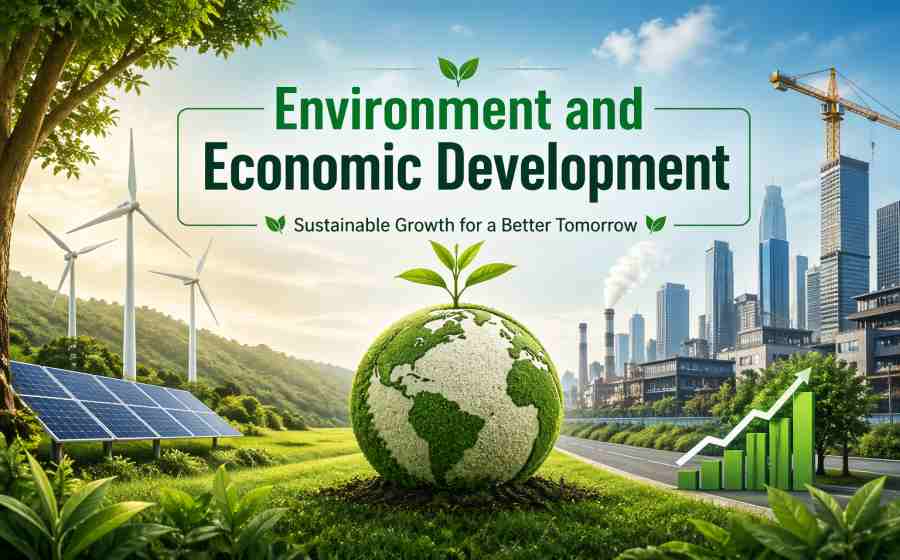
Economic development and environmental sustainability are two of the most critical priorities of the modern world. For decades, nations have pursued rapid economic growth to improve living standards, reduce poverty, and build infrastructure. However, this growth has often come at a significant environmental cost. Today, the challenge lies in finding a balance where economic progress does not degrade natural resources but instead works in harmony with the environment.
Table of Contents
Understanding the Link Between Environment and Economy
The environment provides the foundation for all economic activities. Natural resources such as water, minerals, forests, and fossil fuels are essential inputs for industries, agriculture, and energy production. Without these resources, economic systems would collapse. At the same time, economic activities impact the environment through pollution, deforestation, and climate change.
For example, industrialization has driven economic prosperity in many countries, but it has also resulted in air and water pollution. Similarly, large-scale agriculture increases food production but can lead to soil degradation and loss of biodiversity. This interdependence highlights that economic growth and environmental health are deeply interconnected.
The Cost of Ignoring Environmental Sustainability
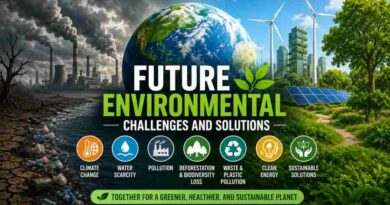
Historically, many economies have prioritized short-term growth over long-term environmental sustainability. This approach has led to serious consequences, including:
- Climate Change: Increased greenhouse gas emissions from industries and transportation are warming the planet.
- Resource Depletion: Overuse of natural resources such as forests and freshwater is reducing their availability for future generations.
- Health Impacts: Pollution contributes to respiratory diseases, waterborne illnesses, and other health problems.
- Economic Losses: Environmental degradation can reduce agricultural productivity, increase disaster risks, and strain public resources.
These issues demonstrate that ignoring the environment ultimately undermines economic development itself.
Sustainable Development – The Way Forward
Sustainable development is a concept that aims to meet present needs without compromising the ability of future generations to meet theirs. It emphasizes a balanced approach where economic growth, environmental protection, and social well-being are pursued together.
Key principles of sustainable development include:
- Efficient use of resources
- Reduction of pollution and waste
- Conservation of biodiversity
- Promotion of renewable energy
- Inclusive economic growth
By integrating these principles, countries can achieve long-term prosperity without harming the planet.
Green Economy and Innovation
The transition to a green economy is essential for aligning economic development with environmental sustainability. A green economy focuses on reducing environmental risks while improving human well-being.
Innovations in technology are playing a major role in this transformation. Renewable energy sources such as solar and wind power are reducing dependence on fossil fuels. Sustainable agriculture practices are improving food security while preserving soil health. Additionally, advancements in waste management and recycling are minimizing environmental damage.
Green industries also create new job opportunities, contributing to economic growth while protecting the environment. This shows that sustainability and profitability can go hand in hand.
Role of Government and Policy
Governments play a crucial role in shaping the relationship between environment and economic development. Effective policies and regulations can encourage sustainable practices and discourage harmful activities.
Some important policy measures include:
- Implementing environmental regulations and standards
- Promoting clean energy through subsidies and incentives
- Encouraging sustainable urban planning
- Investing in environmental education and awareness
- Supporting research and innovation
International cooperation is also essential, as environmental issues like climate change and biodiversity loss transcend national boundaries.
Corporate Responsibility and Individual Actions
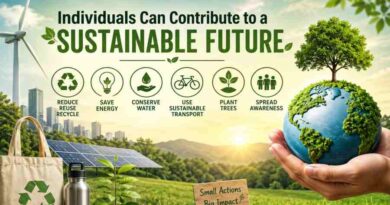
Businesses and individuals also have significant roles to play. Companies are increasingly adopting corporate social responsibility (CSR) practices, focusing on sustainability, ethical sourcing, and reducing carbon footprints.
Consumers, on the other hand, can influence markets by choosing eco-friendly products and adopting sustainable lifestyles. Simple actions such as conserving energy, reducing waste, and supporting sustainable brands can collectively make a big difference.
Challenges in Achieving Balance
Despite growing awareness, several challenges remain:
- Economic Pressure: Developing countries often prioritize growth to reduce poverty, sometimes at the expense of the environment.
- Lack of Awareness: Limited understanding of sustainability can hinder progress.
- Financial Constraints: Green technologies can be expensive to implement initially.
- Policy Gaps: Weak enforcement of environmental laws reduces effectiveness.
Addressing these challenges requires global cooperation, financial support, and strong political will.
Summary
The relationship between environment and economic development is complex but inseparable. While economic growth is essential for improving human lives, it must not come at the cost of environmental degradation. Sustainable development offers a path forward, ensuring that progress is both inclusive and environmentally responsible.
By adopting green technologies, implementing effective policies, and encouraging responsible behavior, societies can achieve a balance where economic development supports, rather than harms, the environment. The future depends on how well we manage this relationship today.
Also Check: Environment