
Rwanda – History, Culture, Sports, Wildlife and Important Key Facts
Rwanda is known for its rich history, vibrant culture, mountain gorillas, sports, scenic landscapes, Kigali, traditions and remarkable national transformation.
Rwanda
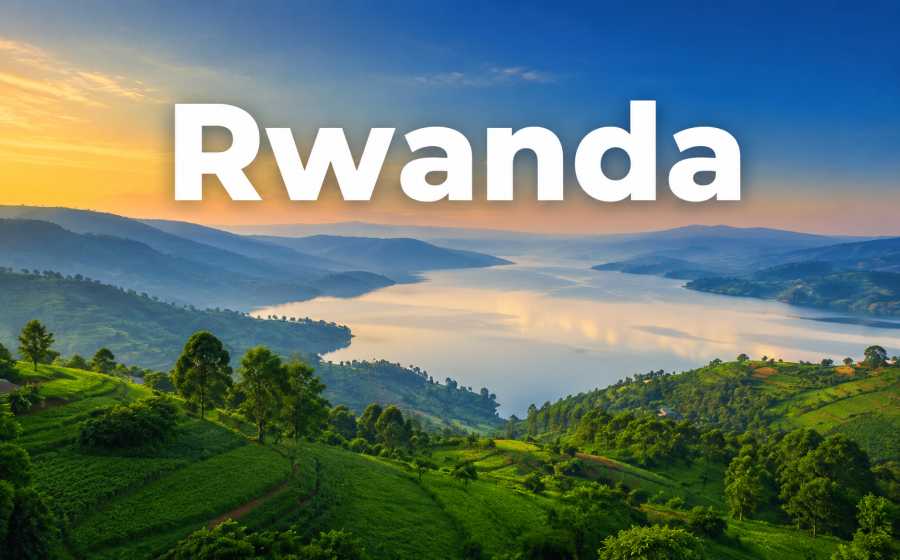
Rwanda is a small, landlocked country in East-Central Africa, widely known for its beautiful green landscapes, mountain gorillas, vibrant traditions, and remarkable journey of national rebuilding. Often called the “Land of a Thousand Hills,” Rwanda is characterized by rolling hills, fertile highlands, lakes, and volcanic mountains. Despite its relatively small geographical area, the country has an important place in African history and has developed a distinctive cultural identity.
Rwanda shares borders with Uganda to the north, Tanzania to the east, Burundi to the south, and the Democratic Republic of the Congo to the west. Its capital and largest city is Kigali, which has become an important political, economic, and tourism center.
Table of Contents
Geography of Rwanda
Rwanda covers an area of approximately 26,300 square kilometers. Its landscape is dominated by hills and mountains, giving the country its famous nickname. The western part includes Lake Kivu, one of Africa’s Great Lakes, while the northwestern region contains the volcanic Virunga Mountains.
The country has several important natural areas, including Volcanoes National Park, Akagera National Park, and Nyungwe National Park. These protected areas support diverse wildlife and attract visitors from around the world.
Rwanda has a generally mild climate because of its elevation. The country experiences rainy and dry seasons, although conditions vary across different regions.
History of Rwanda
Rwanda’s history stretches back many centuries. Before European colonial rule, organized kingdoms developed in the region. The Kingdom of Rwanda gradually expanded and established a centralized political system under a monarchy.
The arrival of European powers changed Rwanda’s political history. Germany established control over Rwanda in the late nineteenth century. After the First World War, Belgium administered the territory under a League of Nations mandate and later through a United Nations trusteeship.
Rwanda gained independence from Belgium on 1 July 1962. The early years after independence were marked by political tensions and conflict, particularly between communities identified historically as Hutu and Tutsi.
The most devastating period in modern Rwandan history came in 1994, when the country experienced a genocide in which approximately 800,000 people were killed over a period of around 100 days. The tragedy left deep social and economic scars.
Following the genocide, Rwanda entered a major period of reconstruction and reconciliation. The country focused on rebuilding institutions, improving public services, promoting national unity, and developing its economy.
Culture and Traditions
Rwandan culture is rich in music, dance, storytelling, crafts, and traditional ceremonies. One of the country’s best-known cultural performances is the Intore dance, traditionally associated with warriors and royal ceremonies. Dancers perform energetic movements while wearing distinctive traditional costumes.
Traditional Rwandan music often features drums and rhythmic singing. The ingoma, a traditional drum, has historically played an important role in cultural and royal ceremonies.
Handicrafts are also an important part of Rwandan culture. Agaseke baskets, known for their intricate designs and craftsmanship, are among the country’s most recognizable traditional products. Pottery, weaving, woodcarving, and beadwork are also practiced by local artisans.
Family, community, respect for elders, and cooperation have traditionally played important roles in Rwandan society. The concept of Umuganda, community-based voluntary work, is another notable feature of modern Rwandan social life.
Languages of Rwanda
Rwanda has several officially recognized languages. Kinyarwanda is the most widely spoken and serves as an important language of national identity. English and French are also used in education, government, business, and other areas. Swahili is additionally used, particularly in commercial and regional contexts.
Kinyarwanda is notable because it is widely spoken across the country, helping people from different regions communicate with one another.
Wildlife and Tourism
Tourism is one of Rwanda’s important economic sectors. The country is especially famous for its mountain gorillas, which live in the Virunga mountain region.
Volcanoes National Park is one of the world’s best-known destinations for observing mountain gorillas in their natural environment. The park is also associated with the pioneering primatologist Dian Fossey, whose research helped bring international attention to gorilla conservation.
Akagera National Park in eastern Rwanda is known for savanna landscapes and wildlife such as elephants, lions, giraffes, zebras, hippos, and numerous bird species.
In the southwest, Nyungwe National Park contains one of Africa’s important montane rainforest ecosystems. It is home to chimpanzees, colobus monkeys, and many other species.
Lake Kivu is another major attraction, offering scenic landscapes and opportunities for recreation along its shores.
Sports in Rwanda
Sports play an increasingly important role in Rwanda. Cycling is particularly popular and has become closely associated with the country’s sporting identity. The Tour du Rwanda is one of Africa’s best-known cycling races and attracts professional cyclists from different countries.
Football is also widely followed throughout Rwanda. The country’s national football team is commonly known as the Amavubi, meaning “The Wasps.” Rwanda has participated in regional and continental football competitions and continues to develop its football infrastructure.
Basketball has also gained popularity, especially in urban areas. Rwanda has hosted major international basketball events, strengthening its reputation as an emerging sporting destination in Africa.
Economy of Rwanda
Rwanda’s economy has developed significantly since the 1990s. Agriculture remains important, with crops such as coffee, tea, bananas, beans, and cassava contributing to livelihoods and exports.
Tourism, services, construction, manufacturing, and information and communication technology have become increasingly important. Kigali has developed into a modern urban center with growing business and technology activity.
Coffee and tea are among Rwanda’s notable agricultural exports. Rwandan coffee, in particular, has gained recognition internationally for its quality and distinctive flavor.
Kigali – The Capital City
Kigali is located near the center of Rwanda and serves as the country’s political, economic, and cultural hub. The city is known for its hilly terrain, organized urban areas, and expanding business districts.
Important sites in and around Kigali include the Kigali Genocide Memorial, which commemorates victims of the 1994 genocide and serves as a place of remembrance and education.
Kigali also contains museums, markets, restaurants, cultural centers, and other attractions that provide insight into Rwanda’s contemporary life.
Rwanda Today
Modern Rwanda is often discussed in the context of its recovery, development, environmental conservation, and efforts toward national unity. The country has invested heavily in infrastructure, public health, education, technology, and tourism.
Environmental protection is another important area. Rwanda has introduced measures aimed at protecting forests, wildlife, and natural habitats. Its conservation programs have helped strengthen the country’s international reputation for wildlife protection.
The country continues to face challenges, including economic inequality, population pressure, and the long-term social effects of its history. Nevertheless, Rwanda’s transformation since the 1994 genocide remains a significant chapter in contemporary African history.
Key Facts About Rwanda
- Official Name: Republic of Rwanda
- Capital: Kigali
- Continent: Africa
- Region: East-Central Africa
- Independence: 1 July 1962
- Currency: Rwandan franc (RWF)
- Official Languages: Kinyarwanda, English, French, and Swahili
- Largest City: Kigali
- Famous Nickname: Land of a Thousand Hills
- Major Lake: Lake Kivu
- Famous Wildlife: Mountain gorillas
- Major National Parks: Volcanoes, Akagera, and Nyungwe
- Major Sport: Cycling and football
- National Football Team: Amavubi
- Major Cycling Event: Tour du Rwanda
- Traditional Dance: Intore
- Famous Craft: Agaseke baskets
- Neighboring Countries: Uganda, Tanzania, Burundi, and the Democratic Republic of the Congo
Summary
Rwanda is a country where dramatic landscapes, traditional culture, wildlife conservation, and modern development come together. Its history includes both a remarkable precolonial kingdom and one of the darkest tragedies of the twentieth century. Since 1994, Rwanda has undertaken a substantial process of reconstruction and national renewal. From the hills of Kigali and the shores of Lake Kivu to the forests inhabited by mountain gorillas, Rwanda offers a distinctive combination of history, culture, nature, and contemporary African development.
Also Check: General Knowledge