Tanzania – History, Culture, Sports, Natural Heritage and Fascinating Facts
Explore Tanzania’s rich history, vibrant culture, popular sports, wildlife and key facts that highlight this remarkable East African nation.
Tanzania
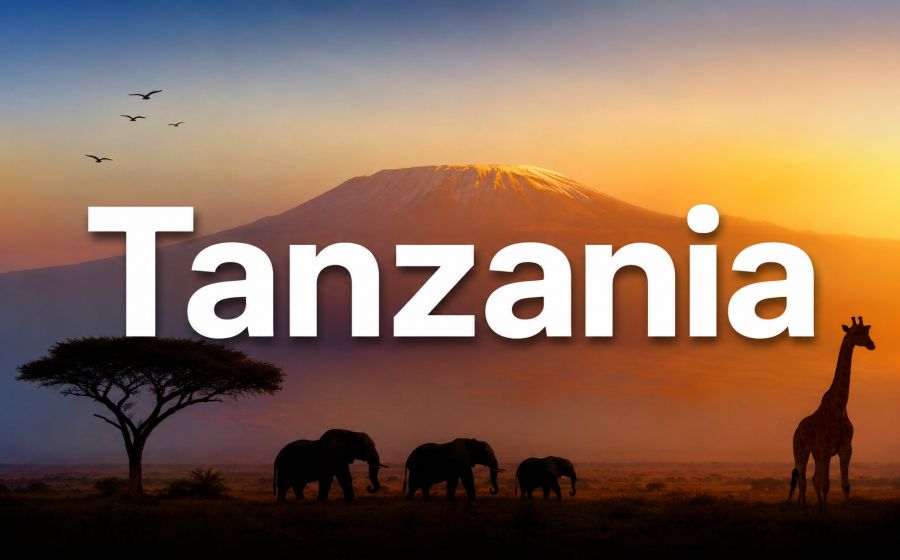
Tanzania is one of Africa’s most fascinating countries, known for its breathtaking landscapes, rich traditions, abundant wildlife, and welcoming people. Located in East Africa, Tanzania attracts global attention for its natural beauty, including Mount Kilimanjaro and the Serengeti plains. Beyond its tourism appeal, the nation has a remarkable history, vibrant cultural heritage, and a growing presence in international sports. This article explores Tanzania’s history, culture, sports, and other important facts that make this country unique.
Table of Contents
Introduction to Tanzania
The United Republic of Tanzania is situated on the eastern coast of Africa. It shares borders with Kenya, Uganda, Rwanda, Burundi, the Democratic Republic of the Congo, Zambia, Malawi, and Mozambique. The country also has a coastline along the Indian Ocean.
- Capital: Dodoma
- Largest City: Dar es Salaam
- Official Languages: Swahili and English
- Currency: Tanzanian Shilling (TZS)
- Population: Over 67 million people
- Independence Day: 9 December 1961 (Tanganyika)
Tanzania was formed through the union of Tanganyika and Zanzibar in 1964, creating the nation known today.
History of Tanzania
Tanzania has a rich and ancient history that stretches back thousands of years. Archaeological discoveries at Olduvai Gorge suggest that some of the earliest human ancestors lived in this region.
Pre-Colonial Era
Before foreign influence, various ethnic groups established communities and trade networks across Tanzania. Coastal areas became important centers of commerce, connecting Africa with traders from Arabia, Persia, and India.
Colonial Period
During the late nineteenth century, Tanzania came under German colonial rule and was known as German East Africa. Following World War I, Britain took control of Tanganyika under a League of Nations mandate.
Zanzibar, meanwhile, functioned as a British protectorate while maintaining its own sultanate.
Independence and Union
Tanganyika gained independence from Britain on 9 December 1961 under the leadership of Julius Nyerere, who became one of Africa’s most respected statesmen. Zanzibar achieved independence in 1963.
In April 1964, Tanganyika and Zanzibar united to form Tanzania. Julius Nyerere played a significant role in shaping the country’s political identity and promoting national unity.
Culture of Tanzania
Tanzania’s culture reflects the traditions of more than 120 ethnic groups living harmoniously throughout the country.
Languages
Swahili, locally known as Kiswahili, serves as the national language and unites people from diverse backgrounds. English is widely used in education, business, and government affairs.
Traditional Clothing
Traditional attire varies among communities. Brightly colored fabrics known as Kanga and Kitenge are popular and often feature meaningful messages and artistic designs.
Music and Dance
Music forms an essential part of Tanzanian life. Traditional drumming, singing, and dancing are performed during ceremonies and celebrations.
Modern genres such as Bongo Flava, a blend of hip-hop, R&B, and local rhythms, have gained immense popularity among young people.
Cuisine
Tanzanian food combines African, Arab, and Indian influences. Common dishes include:
- Ugali (maize porridge)
- Pilau rice
- Nyama Choma (grilled meat)
- Chapati
- Mishkaki (meat skewers)
- Fresh seafood along coastal regions
Hospitality and sharing meals are deeply valued cultural practices.
Wildlife and Natural Heritage
Tanzania is famous worldwide for its extraordinary biodiversity and conservation efforts.
Serengeti National Park
The Serengeti hosts the spectacular Great Migration, where millions of wildebeest and zebras move across vast grasslands in search of fresh grazing areas.
Mount Kilimanjaro
Standing at 5,895 meters, Mount Kilimanjaro is Africa’s tallest mountain and one of the world’s most iconic trekking destinations.
Ngorongoro Conservation Area
This UNESCO World Heritage Site contains an enormous volcanic crater filled with diverse wildlife, including lions, elephants, and rhinos.
Zanzibar
The Zanzibar archipelago is celebrated for its white-sand beaches, historic Stone Town, and spice plantations.
Sports in Tanzania
Sports bring communities together and inspire national pride throughout Tanzania.
Football
Football is by far the country’s most popular sport. Thousands of fans passionately support local clubs and the national team.
The Tanzanian national football team, nicknamed the “Taifa Stars,” regularly participates in regional and continental competitions.
Two of the country’s most successful football clubs are:
- Young Africans SC (Yanga)
- Simba SC
Their rivalry is among the most exciting in African football.
Athletics
Long-distance running and athletics have also produced talented Tanzanian athletes who compete internationally.
Boxing
Boxing enjoys a loyal following, with several Tanzanian boxers representing the nation in international events.
Other Sports
Basketball, volleyball, cricket, and rugby continue to grow in popularity, especially among younger generations.
Economy and Livelihood
Agriculture remains the backbone of Tanzania’s economy, employing a large portion of the population.
Major agricultural products include:
- Coffee
- Tea
- Cotton
- Cashew nuts
- Tobacco
- Maize
Tourism is another vital economic sector, generating employment and foreign exchange through wildlife safaris and beach tourism.
Mining also contributes significantly, particularly through the production of gold, diamonds, and gemstones such as tanzanite, a rare stone found mainly in Tanzania.
Interesting Facts About Tanzania
- Tanzania is home to Africa’s highest mountain, Mount Kilimanjaro.
- The country contains part of Africa’s largest lake, Lake Victoria.
- Tanzania has more than 120 ethnic groups.
- Swahili originated and developed along East Africa’s coastal regions.
- Tanzanite gemstones are found almost exclusively in Tanzania.
- The Great Migration in the Serengeti is one of the world’s greatest natural spectacles.
- Julius Nyerere is often referred to as the “Father of the Nation.”
- Zanzibar was historically a major center of the spice trade.
Summary
Tanzania is much more than a tourist destination. Its ancient history, cultural diversity, stunning natural landscapes, and passion for sports make it one of Africa’s most remarkable countries. From the snowy peak of Mount Kilimanjaro to the vibrant rhythms of Bongo Flava and the excitement of football stadiums, Tanzania offers a fascinating blend of tradition and modern progress.
Understanding Tanzania’s heritage and achievements provides valuable insight into the richness of the African continent. Whether you are a student, traveler, or general knowledge enthusiast, learning about Tanzania broadens your appreciation of the world’s diverse cultures and histories.
Also Check: General Knowledge