What is Pollution? Meaning, Causes, Effects and Major Types
What is Pollution? Learn its meaning, causes, types, effects on health and the environment and simple ways to reduce pollution for a cleaner future.
What is Pollution?
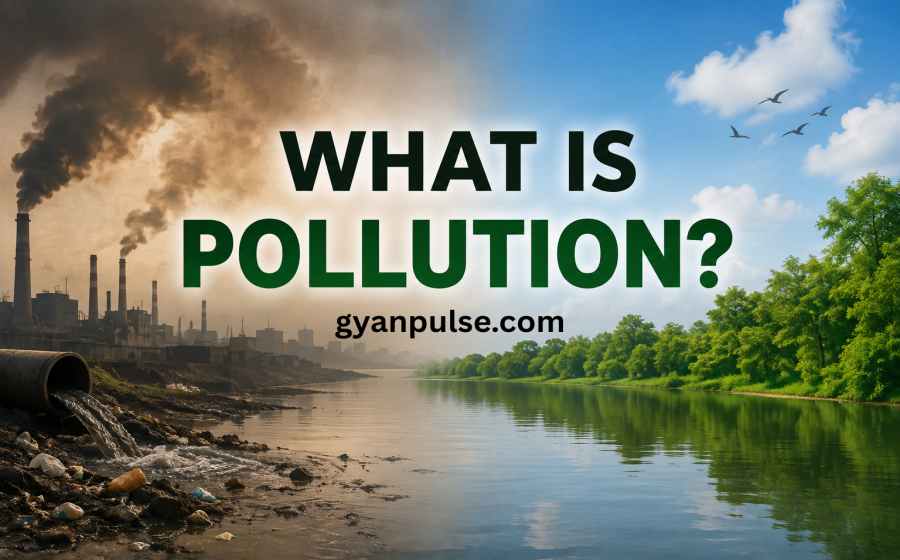
Pollution is one of the most serious environmental challenges facing the world today. As human activities increase, the natural balance of the environment is being disturbed at an alarming rate. Pollution not only affects nature but also poses a serious threat to human health, wildlife, and future generations. Understanding what pollution is and its different types is the first step toward protecting our planet.
Table of Contents
Meaning of Pollution
Pollution refers to the introduction of harmful substances, contaminants, or energy into the environment that causes adverse changes. These harmful substances are known as pollutants. Pollution can affect air, water, soil, and even sound levels in our surroundings. When pollutants exceed natural limits, they degrade environmental quality and make natural resources unsafe for use.
In simple words, pollution occurs when anything harmful is added to the environment, making it dirty, unsafe, or unfit for living beings.
Pollution can be caused by natural events such as volcanic eruptions or forest fires, but most modern pollution is the result of human activities like industrialization, urbanization, transportation, and improper waste disposal.
Causes of Pollution
Several human activities are responsible for increasing pollution levels worldwide. Some major causes include:
- Burning of fossil fuels such as coal, petrol, and diesel
- Industrial waste and chemical discharge
- Excessive use of plastic and non-biodegradable materials
- Rapid urbanization and population growth
- Deforestation and land misuse
- Improper waste management
- Agricultural chemicals like pesticides and fertilizers
These activities release harmful pollutants into the environment, disturbing ecosystems and natural cycles.
Types of Pollution
Pollution can be classified into different types based on the affected component of the environment. The major types of pollution are explained below.
1. Air Pollution
Air pollution occurs when harmful gases, dust, smoke, or particulate matter contaminate the air we breathe. It is mainly caused by vehicle emissions, industrial smoke, burning of fossil fuels, and construction activities.
Common air pollutants include:
- Carbon monoxide
- Sulfur dioxide
- Nitrogen oxides
- Particulate matter (PM2.5 and PM10)
Effects of air pollution:
- Respiratory diseases like asthma and bronchitis
- Heart problems
- Reduced visibility and smog formation
- Damage to plants and crops
Air pollution is one of the leading causes of premature deaths globally.
2. Water Pollution
Water pollution happens when harmful substances such as sewage, chemicals, oil, or plastic waste enter water bodies like rivers, lakes, oceans, and groundwater.
Major sources of water pollution:
- Industrial effluents
- Domestic sewage
- Agricultural runoff
- Oil spills
Effects of water pollution:
- Death of aquatic life
- Spread of waterborne diseases
- Contamination of drinking water
- Disruption of aquatic ecosystems
Clean water is essential for life, and water pollution directly threatens human survival.
3. Soil (Land) Pollution
Soil pollution occurs when harmful chemicals and waste materials degrade land quality. It is commonly caused by dumping industrial waste, excessive use of pesticides, and improper disposal of garbage.
Main causes of soil pollution:
- Plastic waste
- Chemical fertilizers and pesticides
- Industrial sludge
- Electronic waste
Effects of soil pollution:
- Reduced soil fertility
- Contamination of crops
- Health problems through food chain
- Loss of biodiversity
Soil pollution affects agriculture and food security significantly.
4. Noise Pollution
Noise pollution refers to excessive or unwanted sound that disturbs normal life. It is common in urban areas due to traffic, construction work, industries, and loudspeakers.
Sources of noise pollution:
- Road traffic
- Airports and railways
- Industrial machinery
- Loud music and public events
Effects of noise pollution:
- Hearing loss
- Stress and anxiety
- Sleep disturbances
- Reduced concentration
Though often ignored, noise pollution has serious psychological and physical impacts.
5. Light Pollution
Light pollution occurs due to excessive or misdirected artificial lighting, especially in cities. Bright streetlights, advertising boards, and buildings contribute to this type of pollution.
Effects of light pollution:
- Disturbance of wildlife behavior
- Sleep disorders in humans
- Increased energy wastage
- Reduced visibility of stars
6. Thermal Pollution
Thermal pollution happens when industries and power plants release hot water into rivers or lakes, increasing water temperature.
Effects of thermal pollution:
- Reduced oxygen levels in water
- Harm to aquatic organisms
- Changes in aquatic ecosystems
Effects of Pollution on Environment and Humans
Pollution has long-term and short-term effects on both the environment and human health:
- Climate change and global warming
- Loss of biodiversity
- Health issues like cancer, lung diseases, and skin problems
- Acid rain damaging crops and monuments
- Depletion of natural resources
Why Understanding Pollution Matters
Understanding pollution is essential for protecting human health and maintaining a balanced environment. Different forms of pollution can damage natural resources, disturb ecosystems, and create long-term risks for people and wildlife. Learning about their causes, effects, and prevention helps individuals make responsible choices, reduce harmful waste, conserve resources, and support cleaner surroundings. Small environmental actions, when adopted by many people, can contribute significantly to a healthier and more sustainable future.
Summary
Pollution is a serious environmental problem that affects every aspect of life on Earth. From air and water to soil and sound, pollution threatens natural balance and human well-being. While industrial growth and development are important, they should not come at the cost of environmental destruction. Every individual has a role to play in reducing pollution by adopting eco-friendly habits, conserving resources, and spreading awareness. Protecting the environment today ensures a healthier and sustainable future for tomorrow.
Also Check: Environment