River Pollution – Causes, Hidden Dangers and Powerful Ways to Save Our Rivers
River Pollution: Discover its major causes, harmful effects, and effective solutions to protect rivers, aquatic life and the environment.
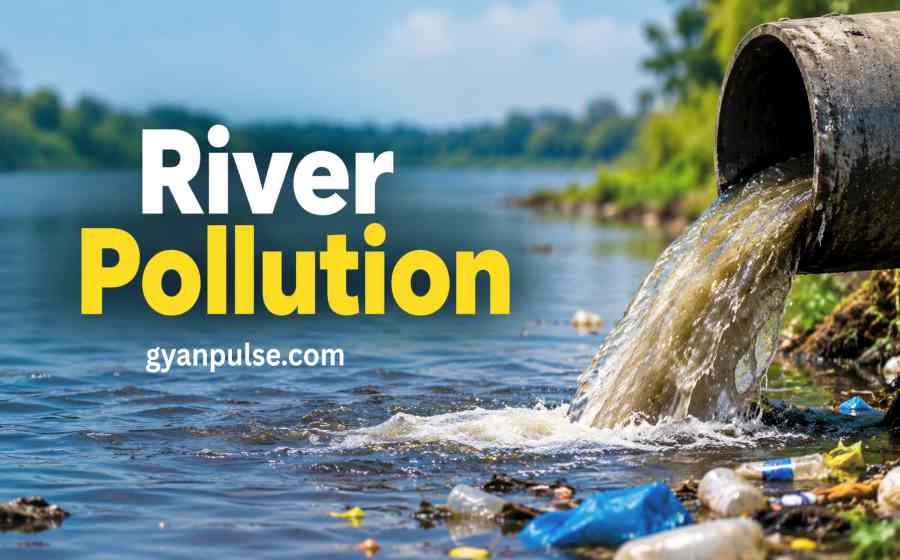
River Pollution
Rivers are the lifelines of civilizations. From providing drinking water to supporting agriculture, industries, and biodiversity, rivers play a crucial role in sustaining life on Earth. However, in recent decades, river pollution has emerged as a serious environmental issue. Human activities have significantly degraded water quality, threatening ecosystems and public health. Understanding the causes of river pollution and taking action to save rivers is essential for a sustainable future.
Table of Contents
What is River Pollution?
River pollution refers to the contamination of river water by harmful substances such as chemicals, waste materials, and biological pollutants. These contaminants reduce water quality, making it unsafe for human use and harmful to aquatic life.
Major Causes of River Pollution
1. Industrial Waste Discharge
Industries are one of the largest contributors to river pollution. Factories often release untreated or partially treated waste directly into rivers. This waste may contain toxic chemicals, heavy metals like mercury and lead, and hazardous substances that severely damage aquatic ecosystems.
2. Sewage and Domestic Waste
In many regions, untreated sewage is discharged into rivers. Household waste, including detergents, plastics, and organic matter, adds to pollution levels. Poor sanitation infrastructure worsens the situation, especially in densely populated areas.
3. Agricultural Runoff
Modern agriculture uses fertilizers, pesticides, and herbicides to increase crop yield. When it rains, these chemicals are washed into nearby rivers. This leads to nutrient pollution, causing excessive growth of algae, known as eutrophication, which depletes oxygen levels in water.
4. Plastic Pollution
Plastic waste is a growing concern for rivers worldwide. Items like bottles, bags, and packaging materials end up in rivers due to improper disposal. Plastics not only pollute water but also harm aquatic animals that may ingest or become entangled in them.
5. Oil Spills and Leakage
Oil spills from ships, pipelines, or industrial activities can contaminate rivers. Even small leaks can create a thin layer of oil on the water surface, blocking oxygen exchange and harming fish and other organisms.
6. Religious and Cultural Practices
In countries like India, rivers hold deep cultural and religious significance. However, practices such as immersing idols, flowers, and other offerings often introduce non-biodegradable materials and chemicals into rivers.
7. Urbanization and Construction
Rapid urban development leads to increased waste generation. Construction activities contribute sediments, debris, and chemicals to rivers. Poor waste management systems in urban areas further aggravate the problem.
Effects of River Pollution
1. Threat to Aquatic Life
Polluted water disrupts ecosystems and kills fish, plants, and microorganisms. Toxic substances accumulate in the food chain, affecting biodiversity.
2. Health Hazards
Contaminated river water can cause diseases such as cholera, dysentery, and typhoid. People relying on river water for drinking or bathing are at high risk.
3. Economic Loss
River pollution affects industries like fishing, tourism, and agriculture. Declining fish populations and polluted landscapes lead to financial losses.
4. Water Scarcity
Pollution reduces the availability of clean water. Treating polluted water becomes expensive and difficult, leading to shortages of safe drinking water.
Effective Ways to Save Rivers
1. Proper Waste Treatment
Industries must treat wastewater before releasing it into rivers. Governments should enforce strict regulations and penalties for violations.
2. Improve Sewage Systems
Developing efficient sewage treatment plants can significantly reduce the amount of untreated waste entering rivers.
3. Promote Sustainable Agriculture
Farmers should adopt eco-friendly practices such as organic farming and controlled use of fertilizers and pesticides to minimize runoff.
4. Reduce Plastic Use
Individuals can contribute by reducing single-use plastics, recycling waste, and properly disposing of garbage.
5. Public Awareness and Education
Educating people about the importance of clean rivers can encourage responsible behavior. Community participation is key to long-term solutions.
6. River Cleaning Initiatives
Government and non-government organizations should organize regular river-cleaning campaigns to remove pollutants and restore ecosystems.
7. Strict Environmental Laws
Strong policies and their proper implementation are essential to control pollution. Monitoring systems should be in place to track water quality.
Role of Individuals in Saving Rivers
Every individual has a role to play in protecting rivers. Simple actions like not littering, conserving water, and spreading awareness can make a big difference. Supporting environmental campaigns and holding authorities accountable also contributes to river conservation.
Protecting Rivers for Future Generations
Clean rivers are essential for healthy ecosystems, communities, and sustainable development. Preventing pollution requires cooperation among governments, industries, farmers, and individuals. Responsible waste disposal, effective sewage treatment, reduced plastic use, sustainable farming, and greater public awareness can help restore polluted rivers. Protecting these valuable water resources today will ensure cleaner water, healthier biodiversity, and a safer environment for future generations.
Summary
River pollution is a pressing environmental challenge that demands immediate attention. The causes are largely human-driven, but so are the solutions. By adopting sustainable practices, improving waste management, and raising awareness, we can restore the health of our rivers. Saving rivers is not just about protecting water bodies, it is about preserving life, ecosystems, and future generations.
Also Check: Environment